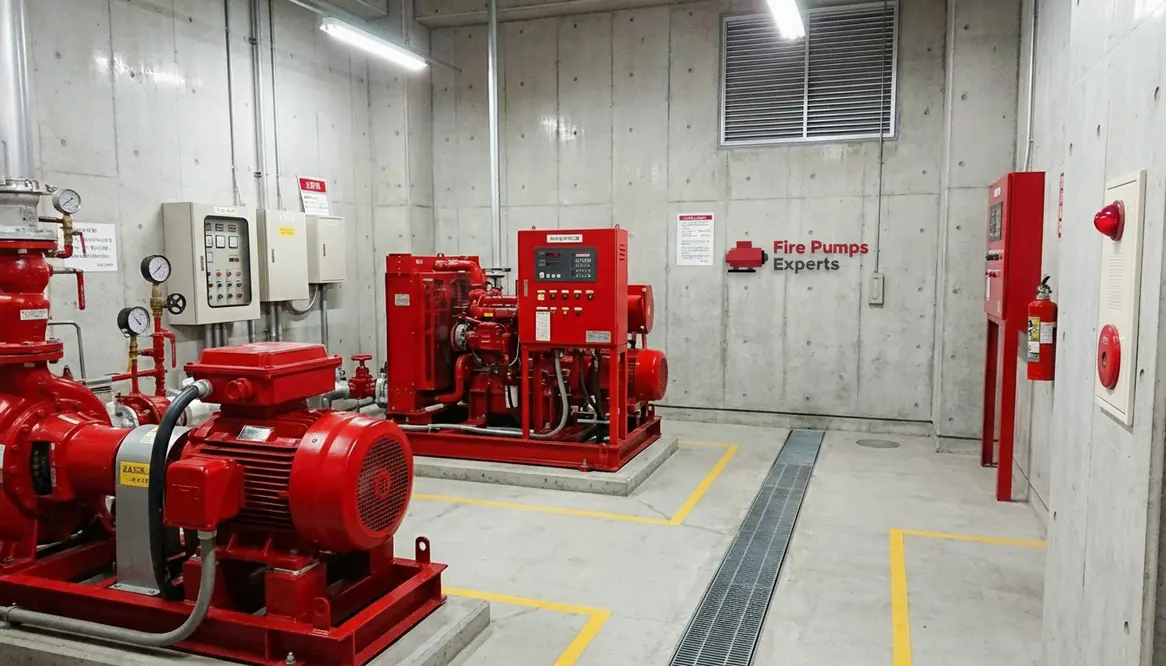
Japan Fire Pump Room Requirements Overview
I have seen many facility managers treat a fire pump room like a quiet back office. That is a mistake. In Japan room planning, this space carries serious weight because it supports fire protection for commercial and industrial buildings, plus major property sites where risk can rise fast. So, I keep this simple and direct: if the pump room fails, the system can fail with it. And nobody wants that kind of plot twist.
In Japan, fire pump room requirements focus on safety, access, equipment protection, and reliable water supply. Therefore, I always start with the room itself, then move to the pump set, then to power and inspection needs. That order matters. It keeps the project clean, the plan compliant, and the building ready when the pressure is on, literally.
What I check first in a Japan fire pump room
I start with location and access. The room must sit in a place that staff and emergency crews can reach fast. It also needs enough space for work, repair, and inspection. If I cannot move around the pump without a comedy of elbows and scraped knuckles, the room is too tight.
Next, I look at fire resistance. The room must protect the pump from heat, smoke, and damage. Because of that, walls, doors, and floors need to support fire safety goals, not just look neat on paper. I also make sure the room stays dry, clean, and free from storage. A pump room is not a spare closet for mystery boxes, seasonal chairs, or that one pallet nobody wants to claim.
Then I check ventilation and drainage. Pumps create heat, and water systems can leak during testing or failure. So, the room needs fresh air flow and proper drainage to keep equipment stable. If water pools around the base, the whole setup turns into a very expensive indoor pond.
Key equipment rules for Japan room compliance
Core components in the pump room
Now I move to the equipment itself. A Japan room for fire pumps usually includes the pump unit, controller, water tank connection or supply line, valves, gauges, and backup power support if required. Each piece must sit where I can inspect it without hassle. Furthermore, labels must stay clear so staff can identify parts quickly during an emergency.
I also watch for strong anchoring. The pump should stay fixed and steady during use and testing. If it shakes too much, wear builds up and performance drops. That may sound minor until the system needs to save the day like a firefighter in a summer blockbuster.
Water supply and performance
In addition, I pay close attention to the water source. The pump must receive enough water at the right pressure. If the supply drops, the system cannot protect the building properly. For commercial and industrial facilities, that risk can hit operations, stock, and people all at once.
This is where early planning on Japan room layout, suction piping, and tank connections pays off. When the water path is short, direct, and properly sized, the pump can do its job without fighting avoidable losses and restrictions.
How I review layout, power, and inspection access
When I review a fire pump room, I think in two columns at once:
Layout needs
- Clear access paths
- Enough working space around equipment
- No storage near the pump
- Safe floor surface and drainage
System needs
- Stable power supply
- Easy access to controllers
- Clear gauges and valves
- Space for regular testing and maintenance
This layout keeps the room practical. It also helps staff respond fast when alarms sound. Moreover, good access improves routine checks, which matter a lot because a neglected pump often fails quietly before it fails loudly. And that is the kind of silence nobody wants.
Power matters just as much. I make sure the electrical setup supports the fire pump under emergency conditions. If the building uses backup power, I confirm that the system can keep the pump ready during outages. After all, fire does not pause for a power cut. It never checks the calendar either.
Japan room inspection steps I follow
A practical inspection rhythm
For inspection, I use a practical rhythm. First, I confirm the room stays clear and secure. Then I test visibility, access, and signage. After that, I check the pump, controller, valves, and water supply. Finally, I review records for routine maintenance and any repairs.
Regular inspection helps catch small issues before they grow. A loose fitting, weak light, or blocked path can seem harmless at first. However, those little flaws can become big problems during an emergency. So, I always treat inspection as part of the building’s daily defense, not a side task for “later,” which, as we all know, usually means “never.”
Why this matters for commercial and industrial buildings
Commercial and industrial sites face heavier fire risk than many people think. Machinery, stored goods, electrical load, and high occupancy can all push danger upward. Therefore, a reliable fire pump room supports business continuity as much as safety. It helps protect assets, reduce shutdown time, and keep people safer.
I also see strong value in planning early with the right fire protection partner. If a facility builds the pump room correctly from the start, it avoids costly changes later. For deeper support on system planning and service options for major properties, I recommend reviewing professional fire pump services for Japan facilities at https://firepumps.org.
Done well, Japan room design becomes part of the facility’s long-term resilience strategy, not just another code checkbox. When the right capacity, layout, and maintenance plans come together, the pump room shifts from hidden mechanical space to quiet guardian of the whole property.
FAQ: Japan fire pump room essentials
Conclusion
If I had to sum it up, I would say this: a well planned fire pump room protects more than equipment. It protects people, property, and business flow. So, if you manage a commercial or industrial facility in Japan, do not wait for a problem to teach the lesson the hard way. Review the room, confirm compliance, and keep the system ready. If you want support, I suggest taking the next step now and treating the Japan room as a strategic asset, not just another mechanical space in the basement.