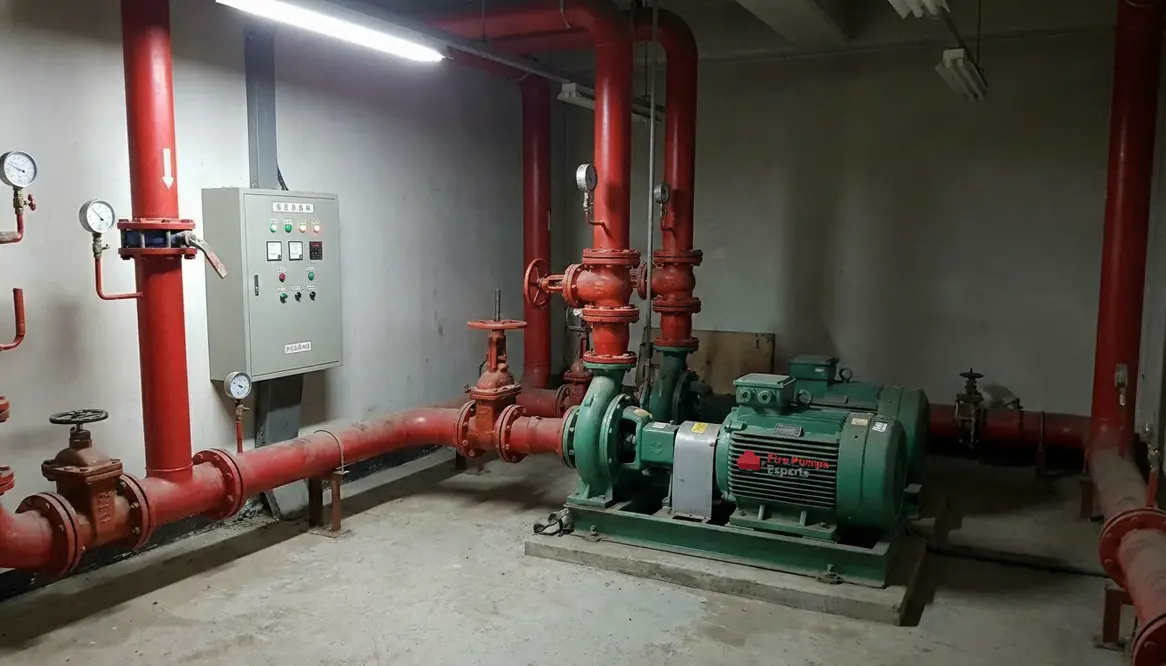
Korea Fire Pump Room Requirements Overview
When I look at a Korea room in a commercial or industrial building, I do not see just a mechanical space. I see the heart of fire protection quietly doing its job while everyone else gets on with business. And yes, it is the sort of room that only gets attention when something goes wrong, which is a bit like remembering your umbrella only after the sky turns dramatic. In Korea, fire pump room requirements matter because they help large properties stay ready, compliant, and safe when water pressure alone cannot do the job.
What I check first in a fire pump room
I always start with location, access, and basic protection. A fire pump room must stay easy to reach for maintenance and emergency response. It should sit in a protected area, away from obvious flood risk, damage, or daily traffic that could turn it into a storage closet by accident. I have seen that movie before, and it never ends well.
For commercial and industrial facilities, I make sure the room supports reliable operation. That means proper space around the pump, clear access to valves and controls, and enough room for inspection. The room should also keep the pump system safe from heat, dust, and freezing. After all, a fire pump is not a diva, but it still needs a decent stage.
Fire pump room essentials
- Secure access for staff and inspectors
- Enough working space around all equipment
- Protection from flood, heat, and physical damage
- Clear signs and no unrelated storage
Korea room layout and equipment rules
Here is where the real work begins. A proper Korea room fire pump setup should support the full system, not just the pump itself. That includes the main fire pump, jockey pump if used, controls, suction and discharge piping, valves, and power supply. If one part fails, the whole system can stumble like a sidekick in a bad action scene.
I also focus on room layout because poor placement makes maintenance harder and delays response time. The equipment should sit in a way that allows quick checks, fast repairs, and safe testing. In large buildings, this matters even more because downtime can affect the entire property.
Dual purpose also matters. A fire pump room should not become a place for spare boxes, broken chairs, or random “temporary” items that never leave. Keeping the room dedicated to fire protection improves safety and makes inspections smoother.
Typical layout points I review
- Pump and controller placement with clear service access
- Valves and gauges arranged for fast reading
- Power and backup systems protected from damage
- Lighting that supports inspection and emergency use
How I handle power, water, and performance checks
A fire pump room is only as strong as its power and water supply. Therefore, I always check that the pump can deliver the needed water pressure and flow for the building type. In large commercial and industrial properties, the system must match the actual risk, not a hopeful guess made over coffee.
The power source needs special care. If the pump uses electric power, I look at the main supply, emergency power, and controller reliability. If the system includes a diesel pump, I check fuel supply, ventilation, and starting conditions. Either way, the pump must start and run when needed, even if the rest of the building has decided to take the day off.
Water supply also matters. I verify that the suction line, tank, or water source can support the pump under demand. Pressure loss, blocked lines, or poor water storage can weaken the system fast. So, I pay close attention to test results and routine inspection records.
What I expect from performance
- Reliable startup under emergency conditions
- Stable water flow and pressure
- Working backup systems where required
- Regular test records that show real performance
Why inspection and maintenance keep the room compliant
Even the best fire pump room will drift out of shape without regular care. That is why inspection and maintenance sit at the center of compliance. I always treat this part seriously because small issues grow fast. A loose fitting today can become a failed system tomorrow, and fire safety never rewards wishful thinking.
Routine checks should cover the pump, controllers, valves, alarms, gauges, power supply, and room conditions. I also look at noise, vibration, leaks, corrosion, and blocked access. In older buildings, wear can hide behind a clean paint job like a villain in a disguise.
For major properties, documentation matters just as much as hardware. Inspection logs, repair notes, and test results help prove the system remains ready. They also make audits smoother and reduce stress when regulators come knocking. Nobody likes surprise guests, especially the official kind.
My maintenance focus
- Test the system on a schedule
- Fix leaks, rust, and worn parts early
- Keep the room clear and labeled
- Record every inspection and repair
SEO friendly FAQ for Korea fire pump room requirements
When I review any Korea room that contains fire pumps, I also keep a short list of recurring questions in mind. These are the same points owners, managers, and inspectors bring up during walkthroughs, and keeping clear answers ready helps keep the site safer and more compliant.
Final thoughts and next step
If I manage a commercial or industrial property in Korea, I do not treat the fire pump room as background noise. I treat it as a core safety system that protects people, assets, and operations. Therefore, I keep the room compliant, accessible, tested, and clean. If you need expert support for a major property, I recommend reviewing your current setup now and acting before a small issue grows teeth. The best time to fix a fire pump room is before anyone needs it, and that starts with treating every Korea room as the quiet engine of your building\u2019s fire protection.