Korea Fire Pump Compliance Guide for Buildings
When I talk about Korea compliance for fire pump systems, I am talking about more than a box to check. I am talking about life safety, building uptime, and the kind of planning that keeps a bad day from turning into a headline. For commercial and industrial facilities, the rules around fire pumps are strict for a reason. A pump only looks simple until the system needs it most. Then it must work. No drama. No excuses. So in this guide, I will walk through the core requirements, the checks I trust, and the steps that help major properties stay ready for real emergencies.
What I check first in a fire pump system
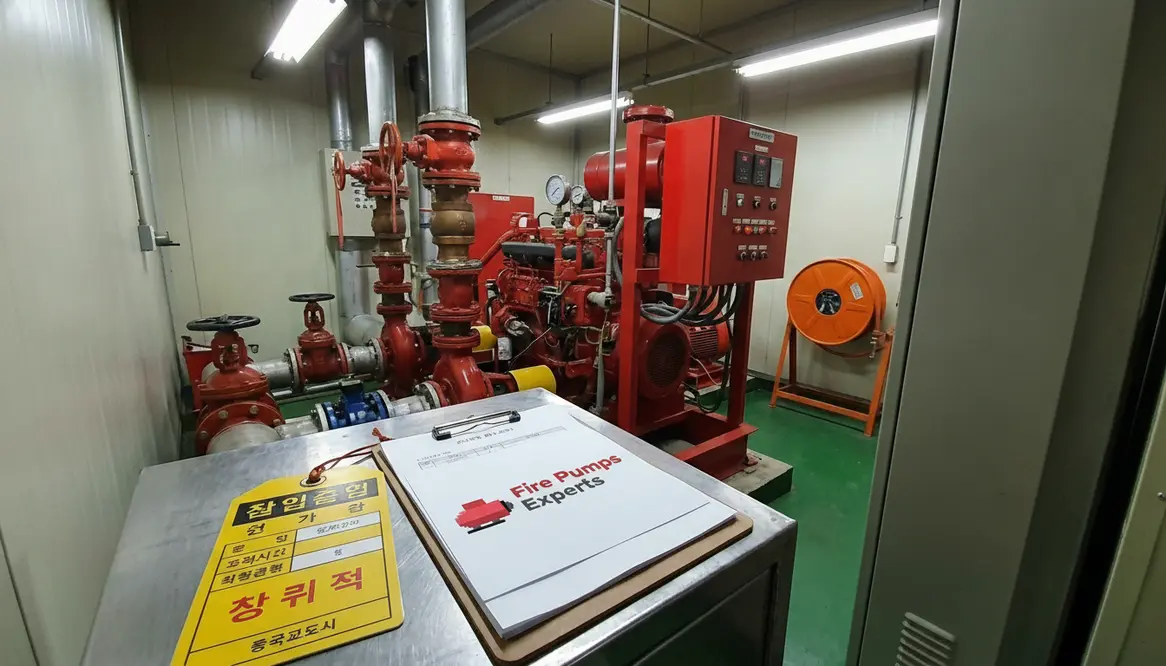
I always start with the basics, because the basics carry the whole system on their backs like the unsung hero in an action movie. First, I confirm the pump type, its rated flow, and the pressure it can deliver. Then I look at the water source, suction piping, controller, power supply, and test lines. Each part must match the building load and the hazard level.
Next, I review whether the fire pump serves the right areas of the property. In large commercial and industrial sites, the system should cover the full demand of the fire protection setup. If the building grew over time, which it often does because buildings also like to “expand their horizons,” I check whether the pump still matches the current risk. Old sizing on a new facility is a common problem.
How I handle Korea compliance for commercial buildings
For Korea compliance, I focus on three things: design fit, installation quality, and maintenance proof. First, the pump must match the local code and the approved fire design. Second, the install must keep piping clean, supported, and free of leaks. Third, the owner must keep records that show testing, repair, and inspection work.
Here is where many sites stumble. They install the system, then treat it like a museum piece. But fire pumps are not art. They need testing, and they need it on schedule. I also check for pressure drop issues, power backup problems, and any sign that the pump room lacks proper access or ventilation. A hot, cramped pump room is a bad mood waiting to happen.
Quick reference guide for building owners and facility teams
Area
Water supply
Pump room
Controller
Power source
Test records
What I look for
Enough flow, stable pressure, no blockage
Access, heat control, clear space, dry floor
Alarm function, automatic start, clear labels
Main power plus backup support
Regular results, repair notes, inspection dates
This quick view helps me spot weak points fast. Still, the real value comes from tracing how each part works together. A strong pump with weak power backup is like Batman with no utility belt. It looks fine until the night gets rough.
Which tests prove the system is ready
I rely on a mix of flow testing, pressure checks, controller checks, and visual review. Flow testing shows whether the pump can deliver water at the needed rate. Pressure checks show whether the system can reach upper floors or far zones in a large facility. Controller checks confirm that the pump starts when it should and that alarms sound the right way.
Also, I inspect the suction line and valves during the test. Small leaks, air pockets, or bad valve settings can ruin performance fast. In addition, I watch the pump run long enough to see real behavior, not just a quick start and stop. That is how I catch problems that short tests miss. Short tests are fine for coffee. Not for fire protection.
Common mistakes I see in major properties
Planning and documentation issues
I see the same mistakes again and again, and they tend to come from rushed planning or weak follow up. The first is poor record keeping. If no one can prove when the pump was tested, then no one can prove it was ready. The second is ignoring room conditions. Heat, dampness, and dust all wear down the system.
Maintenance and repair gaps
Another issue is using the wrong maintenance partner. Commercial and industrial facilities need a team that understands fire systems, not just general repairs. That matters because fire pumps have a job that does not forgive guesswork. I also see owners delay repairs because the system “still runs.” Well, so does a car with a flat tire if you are brave enough. That does not mean it is safe.
Strengthening Korea compliance in real buildings
When I review a site for fire pump readiness, I am not just chasing paperwork. I am looking at how the pump, power, piping, and people work together during the worst ten minutes a building might ever see. Korea compliance gives a framework, but what matters is how that framework shows up in the real pump room, on the real test day, with real data on the page.
The strongest sites I visit treat Korea compliance as a continuous process, not a once-a-year scramble. They schedule tests like they schedule production, keep the pump room clean like they keep the control room clean, and treat fire water as mission-critical infrastructure. That mindset is what keeps systems ready when the sprinkler heads open and every second counts.
FAQ
Closing thoughts and next step
If you manage a commercial or industrial facility, I urge you to treat fire pump readiness as a live issue, not a paper task. I can help you review system fit, test results, and maintenance gaps before they become serious problems. If you want a clear path to stronger Korea compliance, reach out and let me help you protect your building, your people, and your operations with confidence.