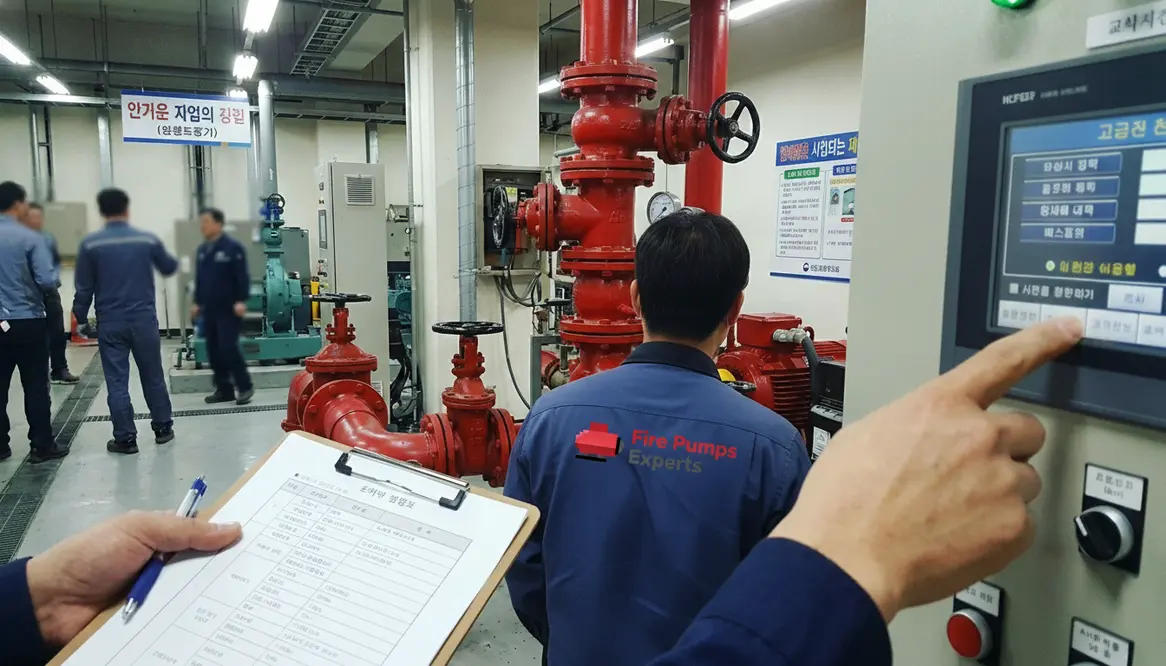
Korea Industrial Fire Pump Requirements Guide
Practical rules, real risks, and what truly matters when industrial fire pumps are called to work.
Korea Fire Pump Requirements for Industrial Facilities
When I look at fire protection in Korea industrial sites, I do not see paperwork. I see risk, uptime, and people who want to go home safe at the end of the shift. That is the real story. Fire pumps sit at the center of that story because they give sprinkler and standpipe systems the pressure they need when a fire decides to ruin everyone’s day. In industrial facilities, the rules do not leave much room for guesswork. So, I will walk through the key fire pump requirements, how they affect design, and what I would check first if I were reviewing a plant, warehouse, or major property building.
Why this guide matters for Korea industrial sites
Industrial operations depend on continuity. A fire pump that fails does not only threaten people; it threatens production, contracts, and long-term reputation. The goal here is simple: practical checkpoints you can use to see whether your system is built to perform under stress or just to satisfy a line in the spec book.
What Fire Pump Rules Apply in Korea industrial Sites?
In Korea, fire pump requirements usually follow the building’s use, size, hazard level, and water supply conditions. Industrial facilities often need stronger systems than simple commercial buildings because they store fuel, machines, chemicals, or heavy goods. Naturally, that means higher fire risk and more pressure on the pump. The system must support the full fire load, not just the “best case” version. Fire pumps also need reliable power, proper controller protection, and enough water source capacity to keep them running during an emergency. In short, the pump must work when the building is under stress, because fires rarely send a polite calendar invite.
Fire Pump Sizing and Water Supply for Industrial Facilities
I always start with sizing, because an undersized pump is like bringing a garden hose to a movie villain fight. It looks hopeful, but it will not save the scene.
The pump must match the required flow and pressure for the system it serves. That includes sprinkler systems, hydrants, standpipes, or a mix of all three. Industrial buildings often need higher flows because of large floor areas and heavier fire loads. The water source must also support the pump demand for the required duration. If the tank, reservoir, or municipal supply cannot keep up, the whole system loses strength fast.
Here is how I break it down in practice:
Design Point
- Flow rate
- Pressure
- Water source
- Duration
What I Check
- Flow rate – I confirm the pump can supply the full system demand.
- Pressure – I verify the pump can overcome pipe loss and reach the farthest point.
- Water source – I check the supply volume and refill ability.
- Duration – I confirm the system can operate long enough for fire response.
Industrial sites also need careful review of elevation changes, pipe friction, and the size of the hazard zone. Therefore, the pump curve must fit the real site, not a sales brochure with a shiny smile.
How I Check Power, Backup, and Control Systems
A fire pump is only as good as the power behind it. For that reason, Korea industrial facilities usually need a dependable main power source and backup support. Some sites use electric fire pumps, while others need diesel backup or other emergency arrangements depending on the building and code path.
I look for the following:
- A dedicated power supply for the pump
- Protection from accidental shutdown
- Automatic start control when pressure drops
- Clear alarms and monitoring signals
- Backup fuel or secondary power where required
Also, the controller must be easy to inspect and maintain. If the panel sits in a dark corner behind stacked boxes, then someone has already chosen chaos. I prefer a setup where maintenance staff can test it fast, document it cleanly, and spot trouble before trouble gets creative.
Why Installation and Testing Matter in Korea industrial Projects
Good equipment fails if the installation goes off the rails. So, I pay close attention to the pump room, suction piping, valves, and access space. The pump room should stay dry, clear, and protected from damage. The suction line should avoid air pockets and restrictions. In addition, valves must stay in the correct position and remain easy to inspect.
Testing matters just as much. A proper test checks flow, pressure, start sequence, alarms, and run performance. It also confirms that the pump responds fast enough when the system loses pressure. Industrial owners should plan regular checks, because a fire pump that only works in theory belongs in a screenplay, not a factory.
From time to time, I also review maintenance logs. Those records tell the truth. If the pump has weak seals, unstable pressure, or delayed startup, the log often whispers it long before the alarm screams it.
Common Compliance Mistakes and How I Avoid Them
In Korea industrial facilities, I see the same mistakes repeat often. First, people undersize the pump because they focus on cost instead of risk. Second, they ignore water source limits. Third, they place the pump room in a poor location that hurts access or ventilation. Finally, they skip regular testing and assume the system will behave like a loyal sidekick.
I avoid these problems by checking the full system early. That means I review the building hazard class, the fire protection layout, the available water supply, and the expected demand before equipment selection. I also make sure the design team, contractors, and facility managers share the same plan. When everyone works from different scripts, the final scene gets messy.
If you want a deeper technical reference for industrial and major property fire pump planning, I suggest reviewing this fire pump guide for commercial and industrial facilities. It helps frame the key design and service points that matter most for large sites.
FAQ
Conclusion
When I review Korea industrial fire pump requirements, I always focus on one simple idea: the system must work under pressure, in real time, without drama. That means correct sizing, reliable power, solid installation, and regular testing. If your facility needs a fire pump review, design check, or compliance support for a commercial or industrial property, now is the time to act. A strong system today can save people, property, and a very bad headline tomorrow.