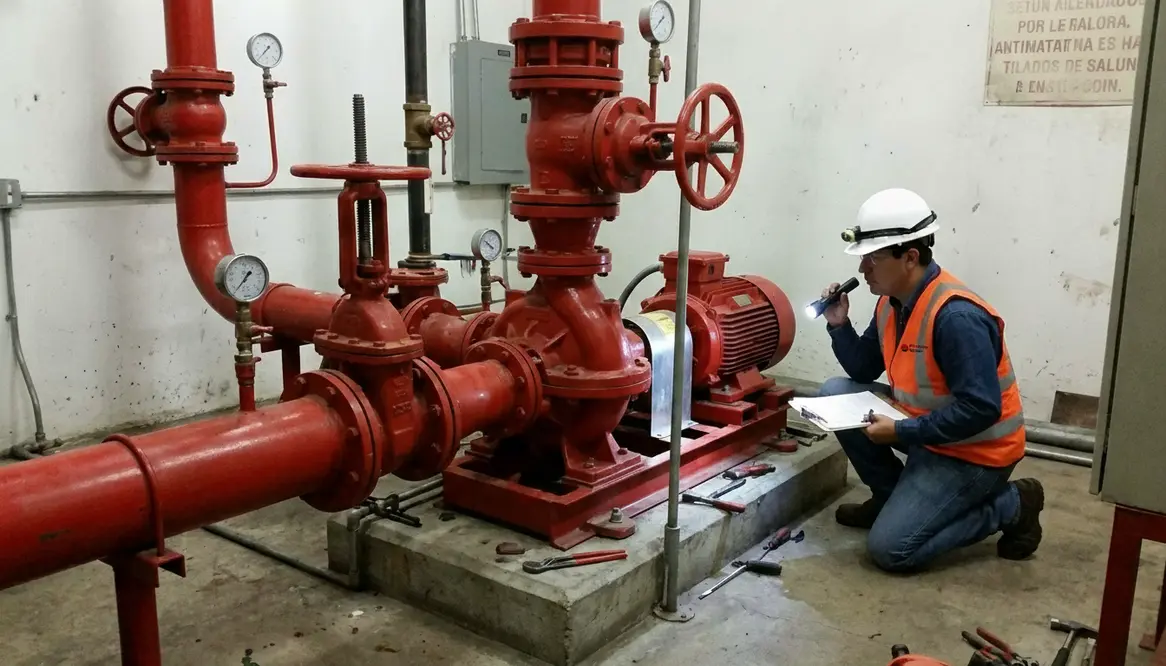
Colombia Fire Pump Testing and Maintenance Guide
I have seen one truth hold steady in commercial and industrial fire protection: a fire pump is only useful when it works on command. That is why Colombia testing matters so much for major properties, large facilities, and complex buildings that cannot afford guesswork. In the first 100 to 150 words, I want to make this plain: a fire pump is not a decorative box in a mechanical room. It is a critical system that supports life safety, protects assets, and keeps operations from turning into a very expensive episode of chaos. And yes, chaos has terrible timing.
In this guide, I will walk through how I approach testing and maintenance for fire pumps in Colombia, with a focus on commercial and industrial sites. I will keep it practical, direct, and useful, because no one needs a speech that sounds like it came from a dusty binder in a basement.
What Colombia testing means for commercial fire pumps
Colombia testing checks whether a fire pump can deliver the pressure and flow your sprinkler or standpipe system needs during an emergency. I use it to confirm that the pump starts properly, runs with steady output, and responds the way the design expects. For major properties, this is not a nice extra. It is basic risk control.
In practice, I look at the pump itself, the driver, the controller, suction and discharge pressure, and the water supply. I also confirm that alarms, power, and valve positions support the test. If any part fails, the whole chain weakens. Fire protection works like a band. If the drummer drops out, the song gets weird fast.
How I test fire pump performance step by step
I follow a simple path so the work stays clear and repeatable.
- I inspect the fire pump room before I start. Then I check for leaks, damage, heat, noise, and blocked access.
- I review the controller and confirm normal power, phase, and system status. This helps me catch small issues before they grow teeth.
- I verify suction conditions and discharge settings. After that, I confirm the pump can draw and deliver water as intended.
- I run the test and record pressure, flow, vibration, speed, and start time. These numbers tell the real story.
- I compare results to the design and acceptance values. If the pump falls short, I do not wave it off like a bad plot twist in a streaming show.
During Colombia testing, I also watch for unstable pressure, slow starting, cavitation signs, and unusual sound. Those symptoms often point to clogged strainers, air issues, worn parts, or a weak water supply. Therefore, the test should never end at “it turned on.” That is the bare minimum, not the finish line.
Maintenance priorities for commercial and industrial fire pumps
Monthly checks
Run visual inspections, confirm valve positions, look for leaks, check controller lights, and note room conditions.
Quarterly and annual checks
Perform operational testing, review flow performance, inspect electrical and mechanical parts, and document all readings.
Routine maintenance tasks I never skip
I treat maintenance like a habit, not a rescue mission. First, I keep the room clean and dry. Dust, debris, and water leaks can turn a dependable system into a drama series nobody asked for. Next, I inspect packing, couplings, bearings, belts, batteries, and sensors. I also check fuel systems on diesel units and verify that electrical units have stable power and sound wiring.
Then I listen. A fire pump often tells you when it is unhappy. A strange hum, extra vibration, or delayed start can signal trouble long before a failure. Moreover, I track trends across tests instead of relying on one reading. One result may look fine, but a slow drop over time can reveal wear, corrosion, or supply issues.
For commercial and industrial facilities, maintenance also includes coordination. I make sure plant staff, safety teams, and service providers know the test schedule. As a result, the process stays smooth, and no one panics because a pump suddenly roared to life during a meeting. That is a memorable moment, but not a useful one.
Why records and standards matter in Colombia
Good records protect the owner as much as the building. I document every test, repair, part replacement, and abnormal reading. That log helps me spot patterns, plan service, and show due diligence after an inspection or incident. In addition, it supports compliance efforts for large facilities that answer to local requirements, insurers, and internal safety rules.
I also use trusted industry guidance when I plan work. For example, the commercial fire pump testing resource can help facility teams understand the bigger picture for industrial and major property systems. Even so, local conditions in Colombia matter. Water quality, site layout, operating hours, and climate all affect pump health, so I never copy a plan blindly.
What I watch for during Colombia testing
I focus on a few warning signs that often lead to bigger trouble if ignored. Low discharge pressure, erratic flow, leaks at seals, failed starts, overheating, and pressure swings all deserve attention. Likewise, rust, scale, and corrosion can quietly eat away at system reliability. The pump may look fine on the outside, but inside it may be writing a very different story.
For that reason, I recommend a clear service plan for every major property. A planned approach costs less than an emergency repair, and it keeps the building ready when it counts. That is the whole point. A fire pump should not be a mystery box. It should be a known, tested, well kept asset.
If you manage a commercial or industrial property in Colombia, do not wait for a fire pump problem to announce itself with sirens and regret. I recommend a steady program of Colombia testing, routine inspection, and careful maintenance for every critical system. If you want help protecting a major facility, now is the time to schedule a professional review, catch small issues early, and keep your fire pump ready for the moment that truly matters.
FAQ
Conclusion
If you manage a commercial or industrial property in Colombia, your fire pump should never be an afterthought. Colombia testing, paired with disciplined maintenance and clear records, turns a mechanical asset into a reliable safeguard for people, operations, and equipment. A consistent program of inspection, testing, and repair costs far less than unplanned downtime, emergency work, or a system that fails when it is needed most.