Colombia Commercial Fire Pump Requirements Guide
Colombia Fire Pump Requirements for Commercial Buildings
When I look at fire safety in a Colombia commercial building, I see more than pipes, valves, and steel. I see lives, property, and a system that has to work when everything else is falling apart. A fire pump is not there for decoration, and it is not there to impress inspectors with its shiny frame like some high priced movie prop. It exists to keep water pressure strong enough for sprinklers, standpipes, and fire hoses when demand rises fast. In Colombia, commercial and industrial facilities must follow local rules, international standards, and good engineering practice. So, if you manage a major property, you need a clear plan, not guesswork and not wishful thinking.
What a Fire Pump Must Do in a Colombia Commercial Building
A fire pump must deliver enough pressure and flow to support the full fire protection system. In a Colombia commercial building, that usually means it supports sprinklers, fire hoses, or both, depending on the design. I always start with the building use, height, hazard level, and water supply. Then I check whether the public water system can hold pressure during a fire event. If it cannot, the pump steps in like the understudy who suddenly has to open on Broadway.
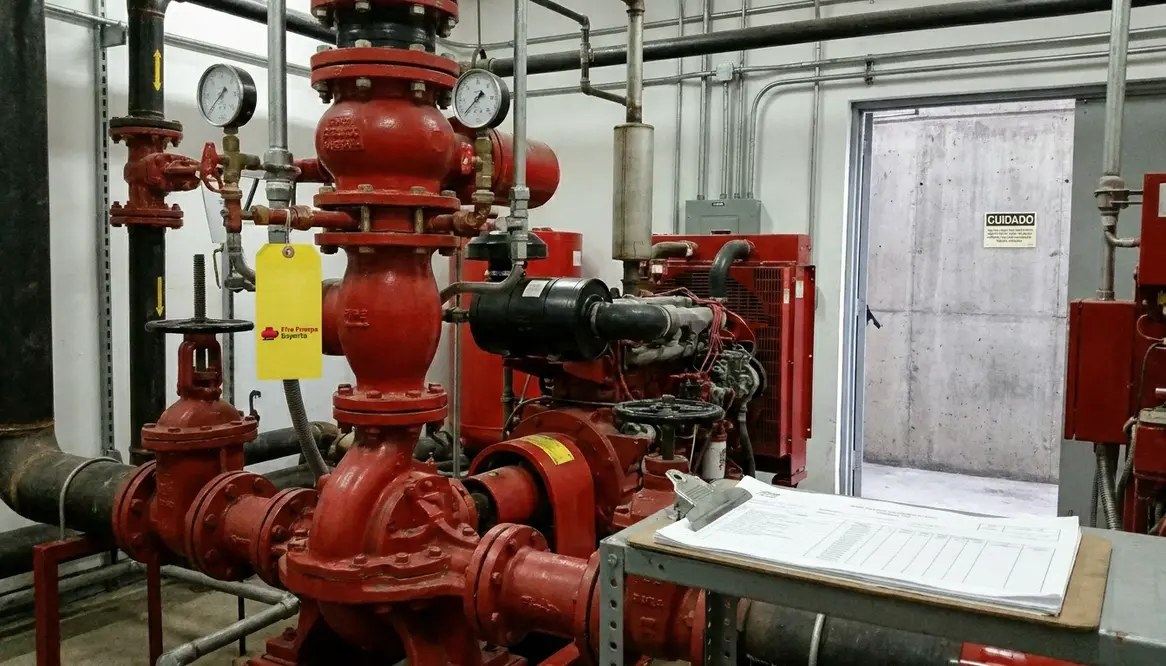
The fire pump system usually includes the main pump, a power source, controllers, suction and discharge piping, and often a backup driver. Because power loss can happen during a fire, many commercial sites use both an electric pump and a diesel backup where required. That way, the system keeps working even when the lights go out and everyone is suddenly very interested in emergency planning.
Codes, Standards, and Local Review
Colombia fire pump requirements for commercial buildings often draw from NFPA standards, especially NFPA 20 for fire pumps and NFPA 13 for sprinkler systems. However, I never treat international standards as the whole story. Local fire authorities, building officials, and insurers may ask for added checks, approved equipment, and proper commissioning. That means the design team must confirm the exact rule set for the city and project type.
In practice, I look at three layers at once. First, I check the code basis for the building. Next, I review the hydraulic demand. Finally, I confirm that the chosen equipment meets both the system need and the approval path. This matters because a pump can look compliant on paper and still fail if the suction source is weak or the installation is sloppy. And yes, even expensive equipment can suffer from a bad setup. Money buys hardware, not common sense.
Key Colombia Commercial Fire Pump Checks
Here is the short version of what I check for major commercial and industrial properties in Colombia:
Design side
- Confirm the required flow and pressure
- Verify the water source and suction conditions
- Match the pump curve to the system demand
- Select the right driver, electric or diesel
Installation side
- Keep suction piping straight and properly sized
- Provide clear access for service and testing
- Install controllers, alarms, and power supply correctly
- Test the full system under real conditions
This is where many projects stumble. The equipment may be correct, but the room is too tight, the suction line has poor layout, or the controls are hard to reach. A fire pump room should feel practical, not like a puzzle from an action movie where the hero has 12 seconds to save the day.
How I Size a Pump for a Major Property
I size a pump by working backward from the fire protection demand. I first identify the worst credible case the system must handle. Then I measure the flow needed for sprinklers, hose allowance, and any other design requirement. After that, I check elevation changes, pipe losses, and water supply limits. If the building is tall, the pressure needs rise fast. If the site is large, flow demand may become the bigger challenge.
For a Colombia commercial tower, warehouse, hospital, or mixed use complex, the size choice must match the actual risk, not a rough guess from someone who “feels” it should be enough. Feelings do not stop fires. Data does. I also verify whether the water tank or city supply can support the required duration. A fire pump helps, but it cannot create water from thin air. Even the best pump has limits, despite what some people may hope after watching too much superhero cinema.
Testing, Maintenance, and Ongoing Compliance
A fire pump only earns trust after testing. I want flow tests, churn checks, alarm checks, and inspection records. In Colombia, commercial buildings should maintain a regular program so the pump stays ready, not just present. Over time, vibration, corrosion, weak batteries, worn seals, and clogged strainers can reduce performance. So I recommend scheduled checks and documented maintenance.
After installation, I also want the owner to train staff. Someone needs to know how the system works, where the controls sit, and what to do if an alarm sounds. A pump room should not become a mystery cave where only one retired engineer dares to enter.
For deeper guidance, I suggest reviewing the commercial fire pump compliance resource for major buildings, since it focuses on commercial and industrial facilities, which is exactly where these systems matter most.
FAQ About Colombia Fire Pump Requirements
Conclusion
If you manage a commercial or industrial property in Colombia, I urge you to treat fire pump planning as a core safety task, not a side note. The right design, the right installation, and the right testing can protect people and assets when it counts most. So, if your building needs review, take action now, verify compliance, and make sure your system is ready before the emergency arrives. That is how a serious property stays safe and operational, and how any Colombia commercial facility can avoid learning about its fire protection system the hard way.