South Africa Fire Pump Requirements Explained
I deal with fire pump systems the way a good mechanic deals with an engine: carefully, with respect, and before things get dramatic. In South Africa, fire pump requirements matter most for commercial and industrial facilities and major property buildings, because those sites face higher fire risk and greater life safety demands. So, if you manage a warehouse, shopping centre, plant, high rise, or large office block, this topic is not background noise. It is the backbone of fire protection. And yes, the pump may sit quietly in a plant room, but when trouble starts, it has the energy of a backup singer suddenly getting the lead role.
What South Africa Fire Pump Requirements Mean for Your Building
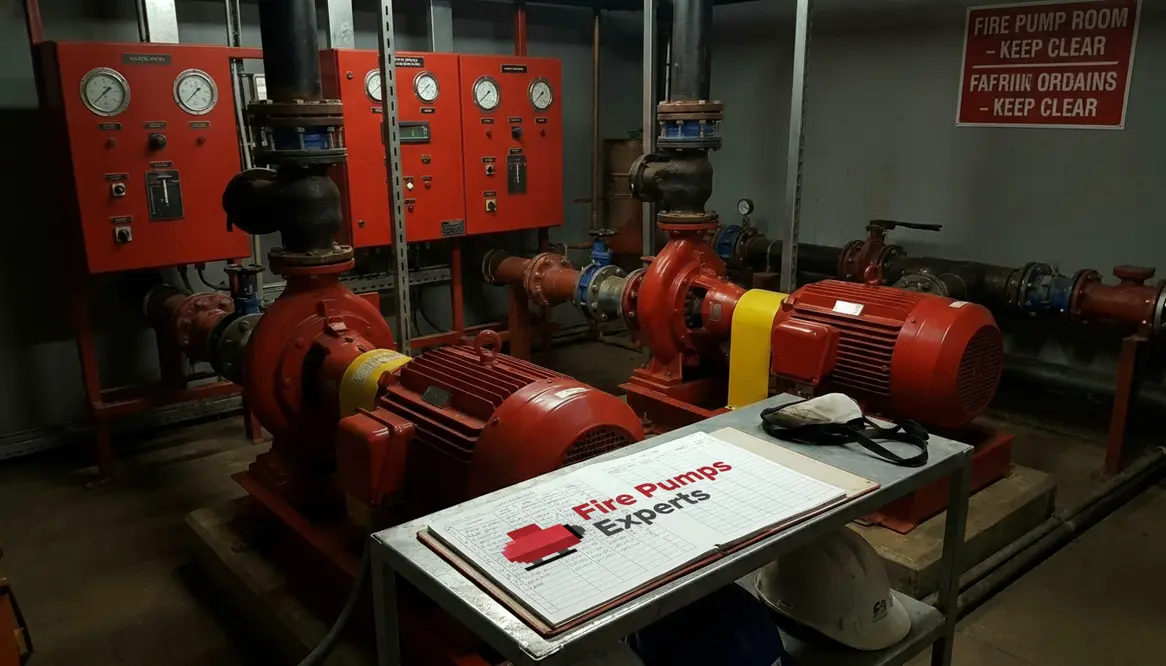
When I talk about South Africa fire pump requirements, I mean the rules that guide how a fire pump must perform, be installed, and be maintained so it can supply water at the right pressure and flow during a fire. These requirements exist to support the sprinkler system, hydrants, hose reels, or other fire protection systems in large buildings. In practice, the pump must work fast, stay reliable, and match the risk level of the property.
For most commercial and industrial sites, the design must reflect the building size, fire load, water supply, and occupancy. Therefore, a small office and a busy factory do not get the same setup. That would be like giving Batman and a delivery scooter the same tool kit. It sounds efficient, but it is not smart.
How I Check Fire Pump Capacity and Water Supply
Before I select or assess a pump, I look at the water demand first. The system must deliver enough pressure and flow for the full fire protection load. In simple terms, if the sprinklers or hydrants need a certain volume of water, the pump must meet that demand without collapsing like a phone battery at 2 percent.
Here is the basic approach I follow:
What I check
- Required flow rate
- System pressure demand
- Available water supply
- Tank size or suction source
- Backup power or diesel support
Why it matters
- Prevents weak water delivery
- Supports full fire system coverage
- Reduces pump failure risk
- Helps the pump run under pressure
- Keeps the system alive during outages
A fire pump setup often includes a main pump, a standby pump, and sometimes a jockey pump. The jockey pump keeps pressure steady, while the main pump handles the real work. Meanwhile, the standby unit gives extra protection if the first pump fails. That extra layer is not luxury. It is basic risk control for major facilities.
Why Installation and Compliance Details Matter
I never treat installation as a quick bolt and go job. The pump must sit in a proper room, with enough space for access, ventilation, and maintenance. Also, the piping, valves, controls, and suction arrangements must all support dependable performance. If the layout is poor, the system may look fine on paper but fail when smoke starts rising and everyone suddenly develops urgent opinions.
Compliance matters just as much. South Africa fire pump requirements usually connect with project specifications, local fire codes, insurer expectations, and engineering standards used for commercial and industrial properties. Therefore, I always push for a proper design review, correct commissioning, and clear records. A system without proof is only a hopeful machine.
I also check that the pump room stays protected from flooding, overheating, and damage. If the room becomes a storage cave for random boxes, old chairs, and one suspicious ladder, then access will suffer. And when access suffers, response suffers too.
How I Handle Testing, Maintenance, and Reliability
A fire pump is not a “fit once and forget forever” item. I treat it like a critical asset that needs regular testing. Routine testing helps me spot weak pressure, noisy bearings, fuel issues, control faults, and water supply problems before an emergency does the audit for me.
Good maintenance usually includes:
- Weekly or scheduled pump runs
- Pressure checks on the system
- Inspection of valves and gauges
- Checks on diesel or electrical backup
- Review of alarms and control panels
- Service logs and fault records
Moreover, I always advise owners to keep maintenance records clean and complete. These records help during inspections, insurance reviews, and compliance checks. They also show that the building team takes safety seriously, which tends to calm both regulators and insurers. A rare moment of peace in the corporate jungle.
Which South Africa Fire Pump Requirements Apply Most to Major Properties?
For large commercial and industrial sites, the most important South Africa fire pump requirements usually focus on performance, redundancy, water supply, installation quality, and ongoing testing. High value properties need systems that can support long operating hours and high demand without dropping pressure. That is especially true for factories, warehouses, hospitals, shopping centres, logistics hubs, and office towers.
In plain terms, I look for three things: the pump must deliver enough water, it must keep working under stress, and it must be easy to inspect and maintain. If one of those fails, the whole fire protection plan gets shaky. And nobody wants a fire safety plan that behaves like a villain monologue and then cuts out halfway through.
When a property grows, the fire system should grow with it. New tenants, new storage layouts, and new machinery can change the risk profile fast. So I recommend a review whenever the building use changes or the site expands. At the same time, it is worth checking that all updates still align with the original South Africa requirements that applied when the system was designed, so the site does not drift away from compliance without anyone noticing.
FAQ
Final Thoughts on Getting It Right
If you manage a large property, I recommend treating fire pump planning as a priority, not a paperwork chore. Get the design checked, verify the water supply, test the system, and keep the records clean. That way, your building stays ready when it matters most. If you need expert support with South Africa fire pump requirements for a commercial or industrial site, now is the time to act, review your system, and protect the people and property that depend on it.