Commercial Fire Pump Compliance San Jose Guide
A practical, real world look at how San Jose’s commercial properties keep their fire pumps ready for the one moment that actually counts.
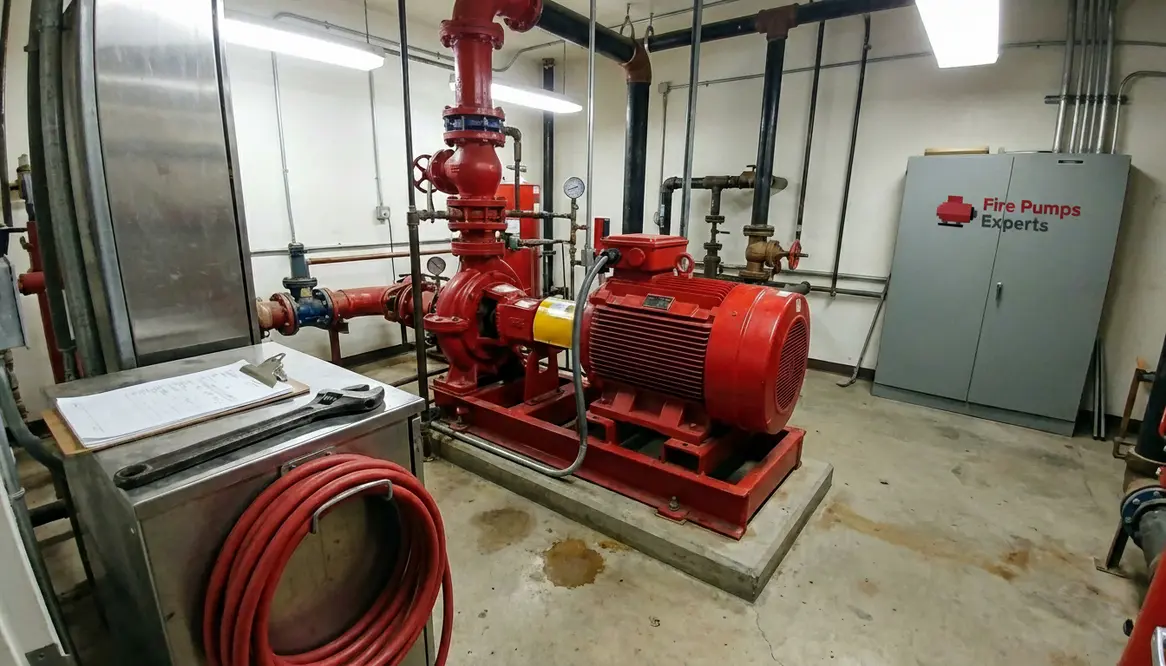
I have spent a good chunk of my career walking through mechanical rooms that hum like a bass guitar and smell faintly of warm metal and old coffee. In San Jose, those rooms often hold the quiet hero of a commercial property: the fire pump. And when we talk about commercial fire pump compliance San Jose, we are really talking about keeping entire buildings ready for the one moment nobody wants but everyone must prepare for.
Commercial towers, data centers, industrial campuses, and major facilities across Silicon Valley run on precision. Fire protection is no exception. Codes, inspections, and pump testing form a rhythm that keeps systems reliable. When done right, it feels calm and controlled. When done wrong, it feels like that scene in every disaster movie where someone says, “Wait… why is nothing working?”
So let me walk you through how large commercial buildings in San Jose stay compliant, avoid expensive surprises, and keep their fire pumps ready to perform like the hero in the final act.
At a glance: why this matters
- Supports life safety and first responder operations
- Protects long term business continuity and uptime
- Keeps you aligned with commercial fire pump compliance San Jose expectations
- Prevents surprise repairs and ugly inspection results
The Role of Fire Pumps in Large Commercial Facilities
First things first. A fire pump is not just another mechanical component tucked away in a corner. It is the muscle behind a building’s fire protection system.
In high rise structures, industrial complexes, and major commercial properties, water pressure from the city supply often cannot do the job alone. That is where a fire pump steps in. It boosts pressure so sprinkler systems and standpipes deliver water exactly where firefighters need it.
However, the pump must work instantly and flawlessly. There is no warm up period. No second attempt. When a fire alarm triggers, the system expects that pump to roar to life like a well trained athlete.
What a healthy pump does for your building
- Delivers pressure to the top floor like it is the ground floor
- Feeds standpipes so crews can fight vertically and deep inside the structure
- Stabilizes your overall fire protection performance
- Anchors commercial fire pump compliance San Jose inspections in real, reliable performance data
Therefore building owners in San Jose focus heavily on routine testing. The goal is simple. Confirm the pump starts quickly, reaches the correct pressure, and sustains flow under load.
And yes, if a pump fails during testing, it is far better than failing during a real emergency. Think of testing as the dress rehearsal before opening night. Broadway learned that lesson long ago.
Commercial Fire Pump Compliance San Jose Requirements Every Property Manager Should Know
San Jose follows strict fire protection standards shaped by NFPA guidelines and enforced by local fire authorities. For large commercial and industrial buildings, compliance is not optional. It is a legal requirement.
Property managers must ensure fire pumps undergo routine inspections, testing, and maintenance. These tasks verify that pumps deliver proper flow, pressure, and reliability under real conditions.
Typically, compliance involves several layers.
- Weekly visual inspections to confirm controllers, valves, and gauges appear normal.
- Monthly churn tests that run the pump without heavy water flow to ensure the motor starts and operates smoothly.
- Annual flow testing which simulates actual system demand using calibrated equipment.
- Detailed documentation required for fire department review and insurance verification.
Now here is where many large properties stumble. They perform the test but forget the documentation. Unfortunately inspectors love paperwork almost as much as accountants do. Missing records can trigger compliance issues even if the pump worked perfectly.
So smart facility teams treat documentation as part of the testing process itself, building it into their commercial fire pump compliance San Jose program instead of treating it like an afterthought.
How Do Commercial Buildings Keep Fire Pump Testing Consistent Year After Year
I hear this question often, especially from facility managers responsible for massive campuses or multi building properties.
The answer is simple in theory but disciplined in practice. Successful buildings build a system around the fire pump rather than treating it like an occasional task.
First, they partner with specialists who focus specifically on large commercial and industrial fire pump systems. These technicians understand pump curves, controller behavior, and how to identify small performance changes before they become big failures.
Next, they schedule testing far in advance. Annual flow tests involve hoses, flow meters, and coordinated water discharge. For a major building, that event can look like a mini water park opening behind the facility. Planning prevents disruption to tenants and operations.
Habits of consistently compliant facilities
- Calendar based scheduling for all testing intervals
- Named owners for each inspection and test type
- Centralized storage for pump reports and curves
- Regular review meetings where trends and anomalies are discussed
Finally, they track data over time. Pump performance tells a story. Pressure levels, vibration patterns, and startup time all reveal subtle trends.
When you review that data year after year, you begin to see issues forming long before alarms ring. It is a bit like watching a detective movie. The clues were there the whole time.
A Look Inside a Professional Fire Pump Test
Let me paint the picture of what a proper commercial pump test looks like.
Technicians arrive with calibrated flow meters, hoses, gauges, and testing equipment. They connect the system to test headers designed specifically for controlled discharge. Once everything is ready, the pump runs through several performance points.
The pump is measured at churn, at rated capacity, and at higher demand levels. Each stage reveals whether the pump matches its original performance curve.
What technicians measure
- Pump start response
- Water pressure levels
- Flow rate accuracy
- Motor or engine performance
- Controller behavior
Why it matters for large facilities
- Confirms sprinklers receive proper pressure
- Reveals wear in pump components
- Prevents system failure during emergencies
- Supports fire department inspection records
- Protects insurance compliance
During these tests, experienced technicians also listen carefully. Pumps communicate through sound and vibration. A slight rattle or irregular hum might signal bearing wear or alignment issues.
It is a bit like listening to an old car engine. If you know what healthy sounds like, trouble becomes obvious.
If you want a solid example of how broader fire pump services fit into a full fire protection approach, take a look at how firms like Kord Fire structure their fire pump focused services as part of an integrated life safety program.
Commercial Fire Pump Compliance San Jose and the Risk of Skipping Proper Testing
Now let us talk about the uncomfortable truth. Some buildings delay testing. Sometimes budgets get tight. Sometimes schedules get busy. And sometimes someone assumes everything is fine because nothing has gone wrong yet.
That logic works right up until it does not.
What quietly goes wrong when testing slips
- Valves stick in half forgotten positions.
- Controllers fail to start automatically when signals arrive.
- Diesel engines lose reliability from disuse and lack of load running.
- Electric motors develop unseen wear that only appears under real demand.
In a large commercial property, these failures carry serious consequences. Not only can they place occupants and assets at risk, they also create legal and financial exposure.
Inspectors in San Jose take pump readiness seriously. If testing records are missing or systems fail performance checks, buildings can face citations and mandatory corrections.
And let me tell you something. Emergency repairs cost far more than scheduled testing. It is the maintenance version of ignoring the “check engine” light until smoke starts rising from the hood.
No property manager enjoys that conversation with ownership.
Why Data Centers, Industrial Facilities, and High Rises Treat Fire Pump Testing Like Clockwork
Silicon Valley runs on uptime. Data centers cannot afford downtime. Manufacturing plants cannot risk operational shutdowns. Large commercial campuses host thousands of workers each day.
Because of that, these facilities approach fire pump testing with almost military discipline.
- Testing schedules align with compliance calendars.
- Service teams maintain detailed logs and pump curves.
- Engineers review performance trends annually.
- Issues are corrected while they are inexpensive and low risk.
Over time, this proactive mindset turns compliance into routine rather than crisis. The pump runs smoothly. Inspections go quickly. Documentation stays organized.
And when the fire department reviews the system, the process feels calm and predictable.
Honestly, it is the difference between a well rehearsed orchestra and a garage band that forgot the chords.
FAQ About Fire Pump Testing in San Jose Commercial Buildings
These are the questions that come up again and again when teams start tightening up their commercial fire pump compliance San Jose programs.
Keeping Your Facility Ready When It Matters Most
When I walk through a commercial pump room in San Jose, I see more than pipes and motors. I see preparation. I see the quiet discipline that keeps thousands of people safe inside complex buildings.
If your property depends on a fire pump system, consistent testing and documentation are not just regulatory tasks. They are the backbone of building safety and operational stability.
Work with specialists who understand large commercial systems, maintain precise testing schedules, and keep your records spotless. When the moment comes, your fire pump should not hesitate. And neither should your compliance strategy.