Commercial Fire Pump Reliability in New Jersey
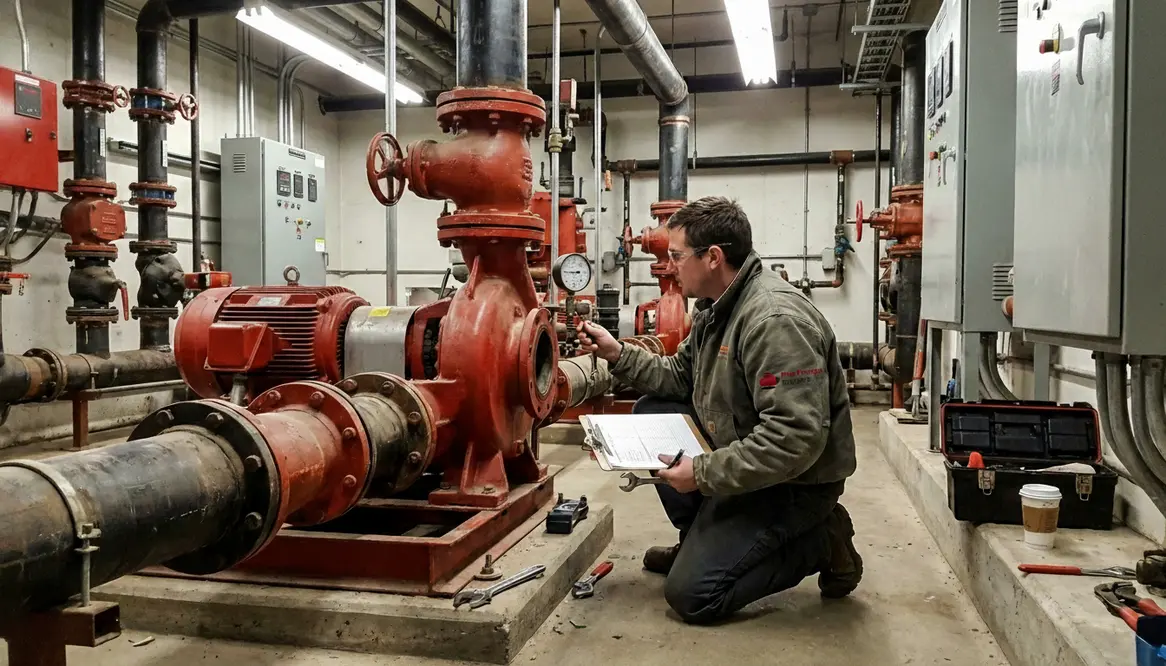
I have spent enough time around pump rooms to know one simple truth. When things go wrong, they rarely send a polite warning first. That is why commercial fire pump reliability is not just a phrase I toss around. It is the quiet backbone of every well protected facility in New Jersey. From high rise offices to sprawling industrial plants, these systems stand ready like a seasoned night watchman. And much like that watchman, they need care, attention, and the occasional wake up call to stay sharp.
So let us walk through what actually keeps these systems dependable. No fluff, no guesswork. Just practical insight, a bit of humor, and maybe a gentle nudge to take maintenance more seriously than your morning coffee.
What Keeps Fire Pumps Reliable in New Jersey Facilities?
Let me answer this the way I would if we were standing in a mechanical room together. Consistency beats intensity every time. A fire pump does not need heroic effort once a year. It needs steady, scheduled attention.
First, I always look at weekly churn tests. They are quick, but they reveal a lot. If a pump hesitates, makes odd noises, or behaves like it just woke up from a nap it did not want to end, that is your early warning sign.
Then, there is documentation. Yes, I know. Paperwork is about as exciting as watching paint dry. However, those logs tell a story. They help track pressure changes, performance dips, and patterns that might otherwise slip by unnoticed.
And because this is New Jersey, environmental factors matter. Humidity, salt air near coastal zones, and temperature swings all play a role. Equipment here ages differently than it might in Arizona. Adjust your maintenance mindset accordingly if you care about long term commercial fire pump reliability instead of last minute panic repairs.
Commercial Fire Pump Reliability Starts with Routine Testing
I like to think of routine testing as a conversation with your system. You are asking, “Are you ready?” and the pump answers through performance.
Flow testing, for instance, is not just a box to check. It confirms that the system can deliver water at the required pressure when it matters most. Meanwhile, controller checks ensure that automatic starts actually happen. Because if a fire pump does not start when needed, it is about as useful as a screen door on a submarine.
Additionally, I pay close attention to power supply integrity. Whether electric or diesel, the energy source must be dependable. Backup systems are not optional luxuries. They are essential layers of protection.
Finally, I never ignore small anomalies. A slight vibration today can become a major failure tomorrow. Catching issues early keeps downtime low and costs manageable, and that is exactly how commercial fire pump reliability quietly saves budgets and reputations.
If you want a deeper technical breakdown of testing schedules and inspection points, resources like the guide at Kord Fire Protection’s fire pump servicing overview can help translate code talk into practical action items your team can actually use.
Key Maintenance Tasks I Never Skip
Mechanical Focus
- Inspect bearings and lubrication to reduce wear
- Check alignment between pump and motor
- Examine seals and packing for leaks
- Monitor vibration levels for early warning signs
Operational Focus
- Test automatic start sequences regularly
- Verify pressure readings match expected output
- Inspect control panels for faults or alerts
- Confirm fuel levels in diesel systems
Each of these tasks plays a role in system dependability. Skip one, and you introduce risk. Skip several, and you are rolling the dice in a way no facility manager should. This is where commercial fire pump reliability stops being a slogan and starts being a disciplined checklist.
Common Mistakes That Quietly Undermine Performance
Now here is where things get interesting. Most failures are not dramatic. They are the result of small oversights stacking up over time.
One mistake I see often is treating inspections as a formality. Someone walks in, glances around, checks a box, and leaves. That is not maintenance. That is wishful thinking with a clipboard.
Another issue is ignoring manufacturer guidelines. Every pump system has specific requirements. When those are overlooked, performance drifts. It is a bit like ignoring the instructions for assembling furniture and then wondering why you have extra screws and a wobbly chair.
Also, deferred repairs can become expensive fast. A minor leak today can lead to corrosion, pressure loss, and eventual system failure. Address issues when they are small. Your budget will thank you later.
Commercial Fire Pump Reliability and Long Term Asset Protection
When I look at fire pump systems, I do not just see equipment. I see long term investments. Protecting that investment requires more than basic upkeep.
Predictive maintenance is where things get smarter. By tracking performance data over time, I can anticipate issues before they become problems. It is not quite science fiction, but it does feel a little like having a crystal ball.
Upgrading components also plays a role. Controllers, sensors, and monitoring tools evolve. Staying current improves system responsiveness and reliability. And in a commercial or industrial setting, that edge matters.
Moreover, working with experienced service providers ensures that maintenance meets code and industry standards. In New Jersey, compliance is not optional. It is part of doing business responsibly. When leadership budgets for commercial fire pump reliability the same way they budget for IT uptime, the whole risk profile of the facility changes for the better.
FAQ: Fire Pump Maintenance for Commercial Properties
How often should fire pumps be tested?
Weekly churn tests and annual flow tests are standard for most commercial systems.
What is the biggest risk to fire pump performance?
Neglected maintenance is the most common cause of failure.
Do diesel fire pumps require special care?
Yes, fuel quality, battery condition, and engine checks are critical.
Can I handle maintenance in house?
Basic checks can be internal, but certified professionals should handle detailed inspections.
Why is documentation important?
It helps track performance trends and ensures compliance with regulations.
Keep Your System Ready When It Matters Most
At the end of the day, fire pump maintenance is about readiness. It is about knowing that when the alarm sounds, your system responds without hesitation. I always tell clients that reliability is built over time, one inspection, one test, one repair at a time. If your facility depends on consistent protection, now is the moment to act. Schedule a professional evaluation, tighten your maintenance routine, and make reliability a certainty rather than a hope.
Treat commercial fire pump reliability as a standing priority, not a once a year fire drill. When the paperwork, the testing, and the repairs all line up, the pump room becomes the quiet, dependable hero every New Jersey facility needs in its corner.