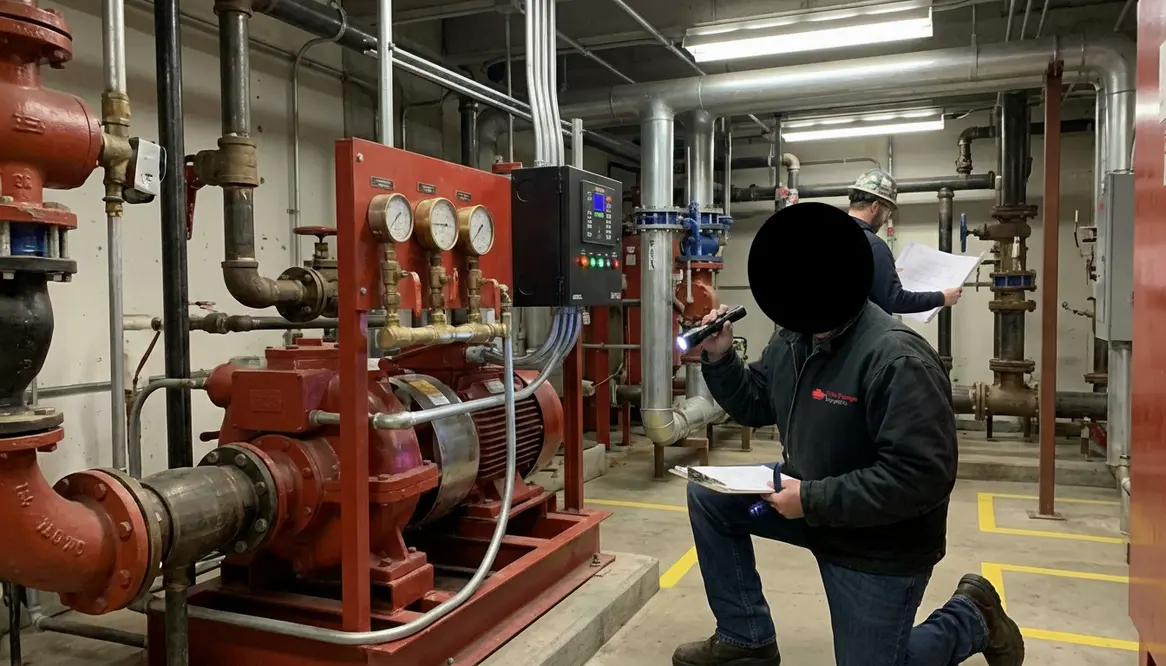
Dense Metro Fire Pump Design NJ Compliance Guide
I have spent years walking through mechanical rooms that hum like quiet orchestras, where every valve, gauge, and controller plays a role in keeping people safe. In New Jersey, staying compliant is not just paperwork. It is a discipline. And yes, even something as specific as a dense metro fire pump design can make or break your inspection. So let me guide you through it in a way that feels less like a code book and more like a steady conversation with someone who has seen what works and what does not.
Understanding dense metro fire pump design in New Jersey buildings
In a state packed with high rises, industrial campuses, and complex facilities, fire protection systems face real pressure. Literally. I often tell clients that New Jersey does not forgive shortcuts, and neither do its inspectors.
A well planned pump system must align with NFPA 20 standards, local amendments, and municipal expectations. However, compliance is not just about installing equipment. It is about ensuring the system performs under real world demand.
Moreover, dense urban layouts demand higher reliability. Water supply variability, vertical lift requirements, and system redundancy all come into play. If your system cannot keep up, it is not just a failed inspection. It is a liability waiting to happen.
Think of it like casting a blockbuster movie. You do not hire extras to play the lead role. Your fire pump system needs to perform like the star, not a background actor hoping no one notices.
Where dense metro fire pump design earns its keep
In dense corridors packed with tenants, machinery, and critical infrastructure, a well engineered dense metro fire pump design creates stability in the middle of chaos. It coordinates with sprinkler zoning, standpipe layouts, and emergency power so that when the alarm sounds, water shows up at the right pressure, in the right place, without hesitation.
What inspectors actually look for during fire pump evaluations
I have walked beside inspectors long enough to know they are not trying to trick you. They are looking for consistency, documentation, and proof that your system works as designed.
Performance data that actually tells the story
First, they review performance data. Flow tests, churn tests, and pressure readings must align with design specs. If the numbers drift, they will notice.
Installation integrity and the details that shout “problem”
Next, they check installation integrity. That includes alignment, proper anchoring, and correct controller setup. A loose coupling or poor wiring job stands out immediately.
Documentation: the make or break factor
Then comes documentation. And here is where many facilities stumble. Missing logs, outdated reports, or incomplete maintenance records can raise red flags fast.
Operational checks: drama free or disaster preview
Finally, they observe operation. They want to see the system start cleanly and run without hesitation. No strange noises. No pressure drops. No drama.
Because in this line of work, drama belongs in movies, not pump rooms.
How I keep commercial systems compliant year round
Compliance is not a once a year event. It is a rhythm. I approach it with a structured routine that removes surprises.
Testing that catches problems early
First, I schedule regular testing. Weekly churn tests and annual flow tests are non negotiable. These are not just requirements. They are early warning systems.
Logs that tell a complete story
Then, I maintain detailed logs. Every test, adjustment, and repair gets recorded. This creates a clear history that inspectors trust.
Preventive maintenance instead of emergency calls
In addition, I prioritize preventive maintenance. Seals wear out. Bearings degrade. Controllers age. Addressing these before failure keeps systems reliable.
Trained teams make dense metro fire pump design work
Also, I keep staff trained. Even the best system fails if no one knows how to operate it. A confident team makes a compliant facility.
It is a bit like keeping a classic car running. You do not wait for smoke to pour out of the hood. You stay ahead of it.
Common compliance mistakes I see in large facilities
Even well managed properties can slip into bad habits. I have seen it happen in some of the most impressive buildings.
Frequent Issues
- Outdated test records
- Improper pump sizing
- Neglected controller updates
- Blocked access to equipment
Better Approach
- Maintain digital and physical logs
- Match system demand to building needs
- Upgrade controls proactively
- Keep clear access at all times
However, the biggest mistake is assuming the system will always work because it worked before. That kind of thinking belongs in a sitcom, right before something goes hilariously wrong.
Why dense metro fire pump design matters for high demand properties
When I work with large scale commercial and industrial facilities, I focus on performance under pressure. A dense metro fire pump design ensures the system can handle high demand scenarios without hesitation.
These systems account for complex piping networks, multiple zones, and fluctuating water supply conditions. Therefore, they must deliver consistent pressure across every part of the building.
Additionally, redundancy becomes critical. Backup power, secondary pumps, and fail safe controls all contribute to reliability. If one component fails, the system must continue without interruption.
This is where thoughtful engineering shines. It is not about adding more equipment. It is about designing smarter systems that respond instantly when needed.
If you are upgrading or rethinking a dense metro fire pump design for a New Jersey property, it pays to study how proven service providers structure their inspection and maintenance programs. Teams like Kord Fire Protection’s fire pump specialists show how disciplined testing, documentation, and code focused planning keep high demand systems ready when they are needed most.
How do I prepare for a fire pump inspection in New Jersey
I start preparation well before the inspector arrives. First, I review all recent test data to confirm consistency. Then, I run a full operational check to ensure everything performs smoothly.
Next, I organize documentation so it is easy to access. Inspectors appreciate clarity. It saves time and builds confidence.
After that, I walk the space. I check for obstructions, leaks, or anything that looks out of place. Small details matter.
Finally, I brief my team. Everyone knows their role and understands how the system operates. This creates a calm, controlled environment during the inspection.
Because at the end of the day, confidence comes from preparation, not luck.
Tying preparation back to dense metro fire pump design
All of this preparation becomes far easier when the original dense metro fire pump design is thoughtfully documented and aligned with how the building actually operates. When as built drawings, sequence of operations, and inspection routines are synchronized, inspections turn from stressful events into straightforward confirmations that the system is doing exactly what it was built to do.
FAQ
What codes govern fire pumps in New Jersey
NFPA 20 is the primary standard, along with local state and municipal amendments.
How often should fire pumps be tested
Weekly churn tests and annual flow tests are required for compliance.
What causes most inspection failures
Poor documentation, inconsistent performance data, and lack of maintenance are common causes.
Do commercial facilities need backup systems
Yes, redundancy is often required for high demand buildings to ensure reliability.
Can outdated equipment still pass inspection
It can, but only if it performs correctly and meets current operational standards.
Conclusion
Staying code compliant with fire pumps in New Jersey is not guesswork. It is a disciplined process built on testing, maintenance, and smart design. If you manage a large commercial or industrial property, now is the time to tighten your approach and eliminate risk. Work with experts who understand performance at scale, and make your system inspection ready every day, not just when someone shows up with a clipboard.
When dense metro fire pump design is treated as a long term strategy rather than a single project, your mechanical rooms stop being stressful mysteries and start becoming well tuned safety systems you can trust.