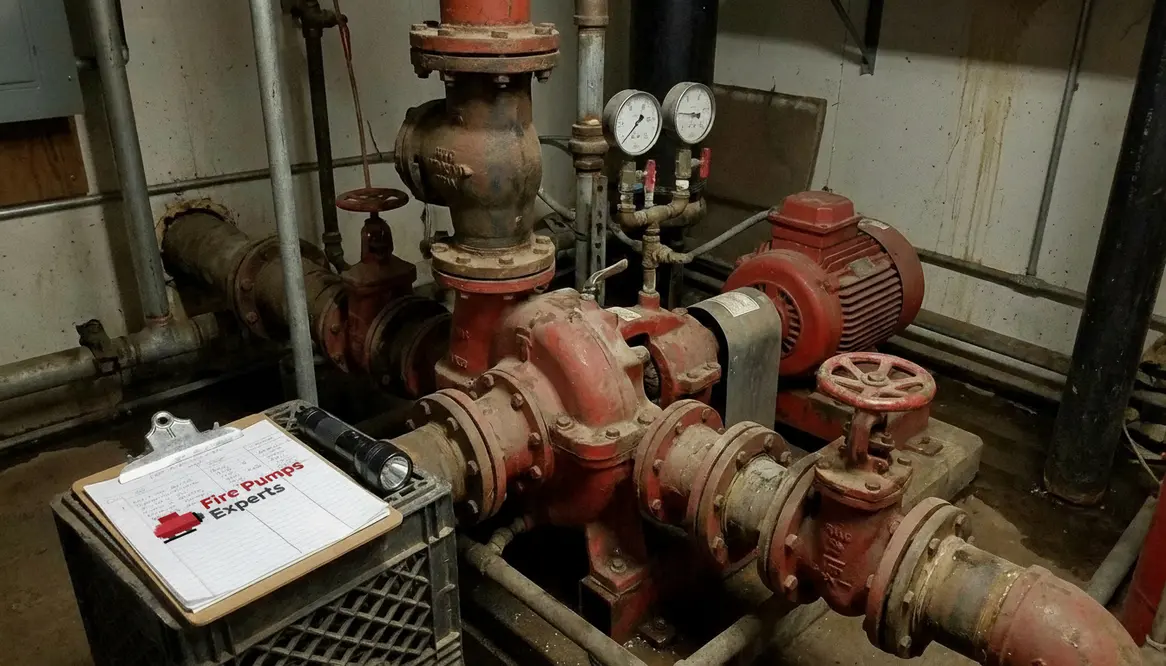
EN 12845 Fire Pump Deficiencies Owners Must Know
EN 12845 Fire Pump Deficiencies Building Owners Should Know
I have seen one thing again and again: a fire pump can look ready, sound ready, and still fail the moment a building needs it. That is where EN 12845 deficiencies become a real problem for commercial and industrial facilities, especially major properties with heavy risk, complex systems, and too many people depending on everything working at once. In fire safety, the drama should stay on the screen, not in the pump room. So let me walk you through the weak points I see most often, why they matter, and what building owners should watch before a small issue turns into a very expensive wake up call.
What EN 12845 Fire Pump Deficiencies Mean For Your Building
When I talk about EN 12845 deficiencies, I mean any fault that keeps the fire pump system from meeting the standard or performing as expected. In plain words, the pump may not deliver enough water, may start late, may lose pressure, or may fail during a real fire. For a warehouse, factory, distribution center, hotel, or large commercial site, that is not a minor service problem. It is a life safety gap. And yes, the building may still pass a casual glance test, which is about as useful as a paper umbrella in a storm.
These deficiencies often hide in the details. A pressure drop here. A valve issue there. A tired battery. A weak diesel start. Each one may seem small on its own, but together they create a system that looks calm right up until it is asked to perform like a hero in a Marvel movie.
Top Fire Pump Issues I Check First
Here is where I usually begin my review, because these faults cause the most trouble in commercial and industrial sites:
Dual column view
Common issue
Pump fails to start automatically
Poor pressure or flow
Faulty jockey pump
Blocked suction line
Battery or controller failure
Diesel engine problems
Why it matters
Fire water never reaches the system in time
Sprinklers may not control the fire
Main pump starts too often or too late
Water supply becomes weak or unstable
Power loss can stop the whole pump set
Backup supply may fail during an outage
These issues often come from poor maintenance, skipped testing, bad installation, or simple wear and tear. However, I also see owners assume the system is fine because no alarms have sounded. That is a risky bet. Fire systems do not need to be loud to be wrong.
How EN 12845 Deficiencies Affect Safety And Compliance
Once a fire pump falls short, the damage goes beyond the equipment room. First, fire protection performance drops. Then, insurance concerns rise. After that, the site may face inspection findings, repair costs, and possible business interruption. For large properties, that interruption can spread fast. One pump fault can affect an entire operation, and the bills do not arrive with any mercy or charm.
Compliance matters because EN 12845 exists to keep sprinkler systems dependable under real conditions. If the fire pump cannot maintain the right pressure and flow, the whole protection strategy weakens. That means the owner carries more risk, the facility team gets more pressure, and the emergency plan starts to look a little too optimistic.
What Causes Pump Deficiencies In Commercial Sites
I find that most fire pump deficiencies come from four places. First, the system gets old and parts wear down. Second, testing does not happen often enough, so hidden faults stay hidden. Third, someone changes part of the system without checking the impact on the full setup. Fourth, water quality, vibration, heat, or dust slowly damages key parts.
Industrial facilities face extra strain because their systems often run in harsh spaces. Heat, vibration, corrosion, and heavy use all work against reliability. Major buildings face their own challenge. They may have complex pipework, multiple zones, and more chances for one weak point to affect another. In both cases, small neglect can grow into a large problem, which is a very expensive way to learn a lesson.
How I Spot Fire Pump Problems Before They Grow
I look at performance, not just appearance. A clean pump room does not prove the pump works. So I check test records, start times, pressure results, controller response, water supply condition, and engine readiness. I also review whether the pump set has been tested under load, because idle testing alone can miss real faults.
Just as important, I compare the system against current needs. A building may have changed use, expanded floor area, or added new fire risk without updating the pump setup. When that happens, the system may still look compliant on paper, but it no longer fits the site. That is one of the more subtle EN 12845 deficiencies, and it tends to show up only when people least want surprises.
What Building Owners Should Do Next
If I had to give one simple rule, it would be this: do not wait for a failure to learn what your fire pump cannot do. Owners should schedule proper testing, fix faults fast, keep clear records, and review the system after any building change. They should also use specialists who understand commercial and industrial fire protection, because general maintenance is not enough for a major property with real risk.
For owners who want a deeper standard based review, I would also suggest reading this EN 12845 fire pump compliance guide for more detail on testing and system checks. It helps turn the standard from a dusty file into something useful in the real world.
FAQ: EN 12845 Fire Pump Deficiencies
Conclusion
If you manage a commercial or industrial building, I urge you to treat fire pump issues as a priority, not a paperwork task. EN 12845 deficiencies can hide in plain sight, and when they do, they put people, property, and operations at risk. So take the time to inspect, test, and correct problems before they become headlines. If you need a proper review, bring in specialists who know major properties inside and out, then act before the next alarm tells the story for you.