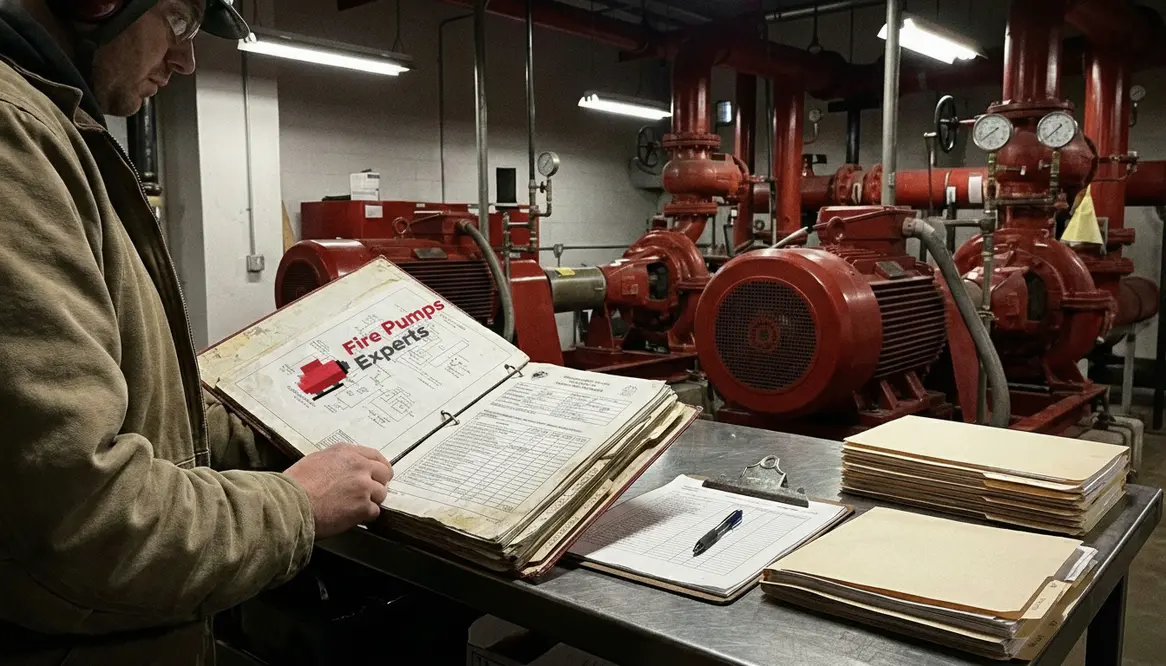
EN 12845 Fire Pump Documentation Requirements Guide
EN 12845 Fire Pump Documentation Requirements: What I Keep on File for Commercial and Industrial Sites
When I work with a fire pump system, I treat the paperwork like the engine room of the whole setup. If the EN 12845 documentation is thin, messy, or missing, the system can look fine on the surface and still fail the real test: proving it will work when a commercial or industrial building needs it most. So, I keep the records tight, current, and easy to inspect. That way, the fire pump is not just installed. It is documented, traceable, and ready for the people who may one day have to trust it with a very bad Tuesday.
What I keep in the EN 12845 documentation file
First, I build one clear file that holds every key record for the fire pump set and its linked parts. This file should show what was installed, where it sits, who supplied it, and how it was tested. In practice, I include the pump duty point, driver details, control panel data, tank or water source information, valve schedules, and the approved layout drawings. I also keep the installation date, commissioning results, and the names of the people who signed off the work.
Because a fire pump system in a large property can be complex, I do not rely on memory. Memory is nice for birthdays and movie quotes, not compliance. Instead, I make sure the file reflects the exact system on site, including any approved changes after installation.
How I organize EN 12845 documentation for easy audits
Auditors, insurers, and site teams all want the same thing: fast answers. So, I organize the EN 12845 documentation in a way that lets anyone find the right record without a treasure map. I split the file into clear sections and keep each item labeled with dates and revision notes. That matters because a clean audit trail saves time and stress.
Here is how I usually set it up:
Typical document groups I keep together
- Design and approval records
- Equipment data sheets
- Installation and commissioning reports
- Test logs and service reports
- Nonconformance notes and corrective actions
- Operation and maintenance instructions
Also, I keep both digital and paper copies where possible. Digital files help with quick access, while paper copies can still save the day when a site office decides to act like it has never heard of electricity. For commercial and industrial facilities, that backup matters.
Why test records matter more than people think
Test records prove the fire pump did more than sit there looking serious. They show the pump started, ran, held pressure, and matched the design intent. I record weekly, monthly, quarterly, and annual tests as needed, along with the results, any issues, and the actions taken. If the pump fails a test, I do not bury that fact. I document it, fix it, and record the follow up.
That approach does more than satisfy a checklist. It shows a pattern of care. And in a big facility, that pattern can matter a lot when someone reviews risk, insurance, or building safety. A neat record of stable performance speaks louder than a polished sales pitch.
The stripped down rule set I follow
Here is the simple version:
- If the fire pump ran, I want proof.
- If it did not run right, I want the cause.
- If someone fixed it, I want the repair record.
This is where good paperwork turns into real control. Without that control, even the best pump can end up with the confidence of a side character in a disaster movie.
How I handle changes, repairs, and re-approval
Commercial and industrial sites rarely stay the same for long. Equipment gets replaced, pipework changes, and water supplies shift. So, I update the file every time something changes. I record the reason for the change, the new parts used, the updated drawings, and the date of re-approval. If a repair affects pump performance, I add the post repair test results too.
This step keeps the documentation honest. It also protects the site from the classic problem of “we thought it was still the old setup.” Thought is not a maintenance strategy. Accurate records are.
When a change is major, I make sure the responsible engineer reviews it and signs off the updated package. That gives the fire pump record legal weight, operational clarity, and a cleaner path through inspections.
Where I can use a trusted reference for support
When I need a solid source for compliance focused support, I look to EN 12845 fire pump documentation guidance as a helpful reference point. It can support teams that manage fire pump records for commercial buildings, industrial plants, and major property assets. I use it to align the file with the right expectations and to keep the process practical, not just theoretical.
And yes, practical matters. A smart documentation system should help people act quickly, not send them into a long meeting that could have been an email. For larger sites, that kind of clarity saves time and reduces risk.
Keeping EN 12845 documentation useful
For commercial and industrial sites, EN 12845 documentation only earns its keep if it supports decisions on maintenance, upgrades, and risk. I treat it as a live tool, not a dusty binder. When the records match the physical system and the test history, people trust them and actually use them.
That is where EN 12845 documentation makes the biggest difference: it connects the standards on paper to the pump in the plant room, and to the people who have to answer hard questions when something goes wrong.
FAQ: EN 12845 fire pump documentation requirements
Conclusion
If I want a fire pump system to stay ready, I treat the paperwork as seriously as the equipment itself. Good records support safety, speed up inspections, and make life easier for every commercial and industrial site manager who has to keep a large property running. So, if your current file feels a bit like a mystery box, now is the time to fix it. Build the record, keep it current, and make compliance work for you.