EN 12845 Fire Pump Duty and Standby Guide
EN 12845 Fire Pump Duty and Standby Pump Guide
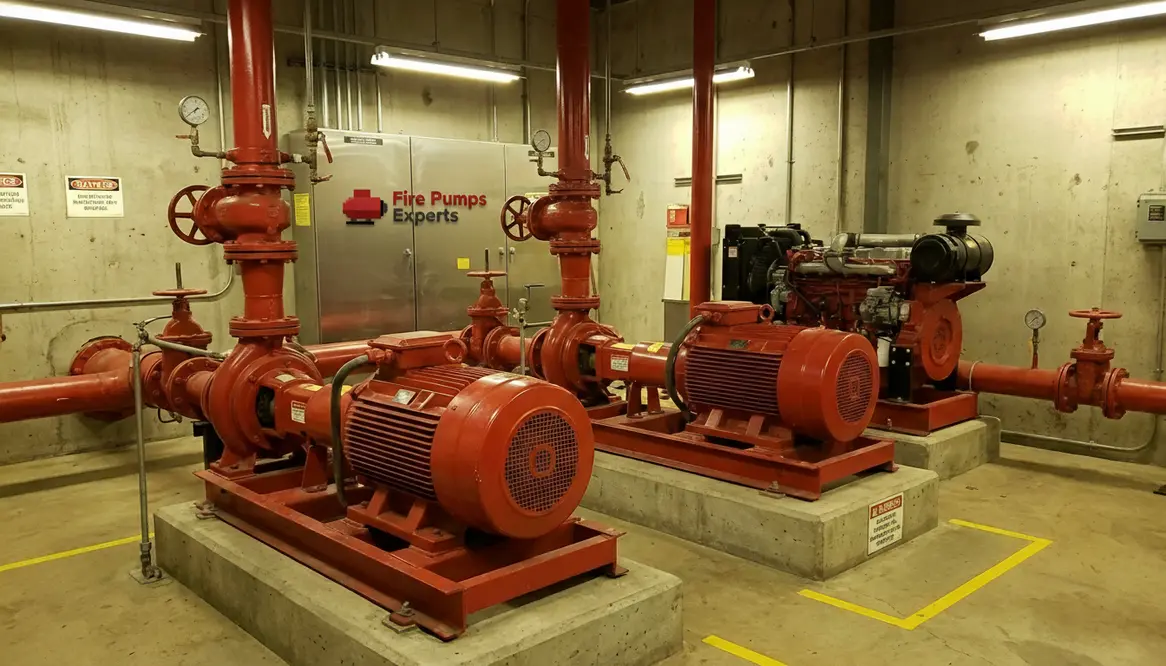
When I talk about fire protection for commercial and industrial sites, I always start with the EN 12845 fire pump setup, because it sits at the heart of a sprinkler system that must work when things go sideways. In a warehouse, plant room, data hall, or major property building, the pump is not a nice extra. It is the muscle. And, like any serious team, it works best with a duty pump and a standby pump ready to step in if the first one takes a nap at the worst possible time. That would be a very expensive nap.
In this guide, I break down how duty and standby pumps work, why EN 12845 cares so much about reliability, and what I look for when I check a real system. I will keep it practical, because no one wants fire pump theory that reads like a tax form with better lighting.
Key Takeaways
- Duty pump carries normal fire demand and must start instantly.
- Standby pump backs up the duty unit to keep protection live.
- EN 12845 puts reliability, redundancy, and testing at the center.
- Good maintenance and realistic testing are worth more than assumptions.
Duty Pump and Standby Pump Basics
The duty pump is the main pump that takes care of normal fire demand. It starts first and carries the system pressure when the sprinkler network asks for flow. However, the standby pump sits ready as the backup. If the duty pump fails, loses power, or cannot keep up, the standby pump takes over. That simple handoff can save a building, so I treat it with full respect.
In EN 12845 systems, this pairing matters because the standard expects dependable water supply and pump performance. The goal is not just to have a pump. The goal is to have a system that keeps working even when one part fails. In other words, it is the fire protection version of having a stunt double who actually knows the lines.
Duty Pump Essentials
- Starts first and handles the main fire flow demand.
- Must reach the required pressure fast and keep steady output.
- Forms the primary EN 12845 fire pump response under real fire conditions.
Standby Pump Role
- Stays ready as the backup pump.
- Starts automatically if the duty pump fails or cannot meet demand.
- Gives the EN 12845 fire pump arrangement the redundancy it needs.
Control System
- Detects pressure drop and starts the right pump.
- Must stay reliable, simple, and easy to test.
- Needs clear indication so faults do not hide in the background.
That setup may sound plain, but plain is good when the building is on the line. Fancy is great for coffee machines. Not so much for fire pumps.
How EN 12845 Fire Pump Setup Works in Practice
I always look at the full chain, not just the pump house. First, the water source feeds the system. Then the duty pump starts when pressure drops. Next, the pump restores pressure and supports sprinkler demand. If the duty unit does not perform as it should, the standby unit steps in. Because of that, both pumps need proper sizing, correct controls, and regular testing.
From design to commissioning, a strong EN 12845 fire pump layout follows the water from source to sprinkler, then asks one question at every step: “What happens if this part fails right when the sprinklers open?” The answers shape redundancy, pipework, power, and the way the control logic brings the standby pump into the fight.
In-Practice Checklist
- Water supply can deliver the required flow and duration.
- Duty pump starts cleanly at the right set pressure.
- Standby EN 12845 fire pump does not share the same obvious weak points.
- Valves, strainers, and non-return valves are accessible and clearly identified.
- Test lines and measurement points are in place for real flow tests.
What EN 12845 Looks for in Pump Reliability
EN 12845 puts reliability front and center. I focus on three things: automatic operation, proper redundancy, and routine testing. If a pump only works when someone is standing beside it, then it is not really ready. It is just confident.
The duty pump must start without delay. Also, the standby pump must be available and protected from the same failure point as much as possible. That means I pay attention to power supply, control gear, valves, suction conditions, and room conditions. Heat, poor ventilation, or weak maintenance can turn a strong system into a bad sequel.
For commercial and industrial buildings, I also check occupancy risk, water demand, and system layout. A distribution warehouse does not behave like a high rise office block, and a manufacturing site brings its own fire load. So, the pump arrangement must match the site, not some one size fits all dream.
Reliability Anchors
- Dedicated, robust power for electric drivers where used.
- Protected fuel storage and regular running for diesel sets.
- Clean suction conditions with proper flooding and venting.
- Separate routing so one leak or fault does not silence every EN 12845 fire pump on site.
- Clear, labelled controls that operators actually understand.
Maintenance Checks I Would Never Skip
Even the best design fades if nobody looks after it. Routine checks keep the duty and standby pumps closer to “ready for action” than “decorative metalwork.”
- Weekly visual checks of pump room condition
- Automatic start tests for duty and standby units
- Pressure checks on suction and discharge lines
- Fuel checks where the pump uses a diesel driver
- Control panel review for alarms and faults
- Recorded flow and performance testing
I also look for patterns. Repeated air locks, odd vibrations, sticky valves, or slow starting all tell a story. That story usually ends with a repair bill if nobody listens early enough.
Commercial Facilities Planning Guide
When I plan a system for a major property building, I start with risk. Then I ask how much water the sprinklers need, how long the supply must last, and how the pumps will behave under load. After that, I look at access, service space, and test arrangements. If the maintenance team cannot reach the equipment easily, problems grow faster than gossip in an open office.
For industrial sites, I also think about dust, vibration, and process heat. Those conditions can shorten equipment life, so I want the pump room to stay clean, cool, and easy to inspect. And because the standby pump must be ready at all times, I insist on a setup that does not place both pumps at the mercy of one failure point if I can avoid it.
For a deeper service overview, I recommend commercial fire pump solutions for EN 12845 compliant buildings, especially if the site covers large floor areas or critical operations.
Aligning Design With Real Risk
A compact office, a vast logistics hub, and a noisy production plant do not live the same fire life. The EN 12845 fire pump arrangement should admit that. Tailoring the duty and standby setup to storage height, commodity, process type, and business continuity needs is what separates a basic installation from a system that still works when the worst day shows up.
Why Testing Beats Hoping Every Time
I have learned that hope is not a fire strategy. Testing is. Regular testing proves the duty pump starts fast, the standby pump responds when needed, and the controls do not freeze like a villain in a final scene. I also want proof that the system pressure recovers properly and that the switchover logic works without drama.
Good records matter too. They show patterns, wear, and small faults before those faults become expensive. And in a commercial setting, that paper trail helps keep safety, compliance, and operations in line.
Simple Testing Habits That Pay Off
- Use consistent test days so trends are easy to see.
- Record suction and discharge pressures, not just “pump ran.”
- Test under realistic flow where the site allows it.
- Challenge the changeover from duty to standby pump on a planned basis.
- Review the log at least quarterly, not only before audits.
FAQ
Conclusion
If you manage a commercial or industrial property, I urge you to treat your pump arrangement as a serious life safety asset, not just equipment in a room. A proper duty and standby setup under EN 12845 gives you resilience, speed, and peace of mind. So, if you want to review your current system or plan a new one, now is the time to act. Get the design checked, test the pumps, and make sure your building is ready when it matters most.