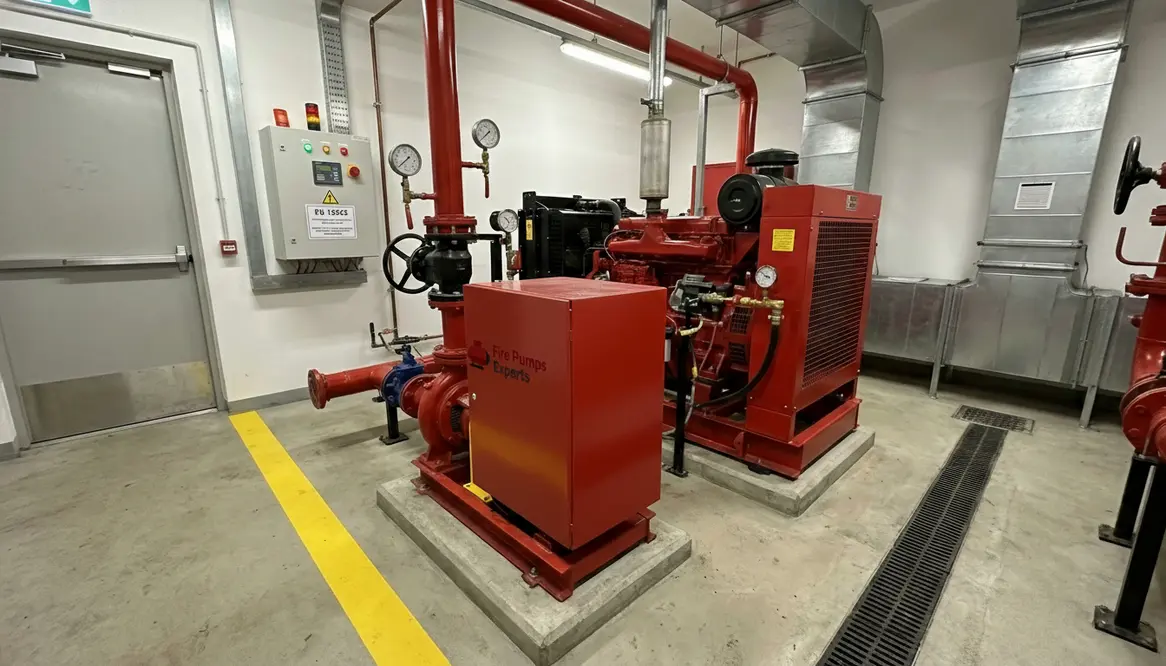
EN 12845 Fire Pump Set Requirements for Commercial Buildings
I have seen many building owners treat fire pumps like the quiet cousin at the family reunion. Nobody notices them until something goes wrong. Yet when a fire starts, the EN 12845 commercial standard becomes one of the most important parts of the whole protection plan. It guides how a fire pump set should work in commercial and industrial buildings, and it helps keep systems ready when people need them most. In simple terms, it tells us how to size, install, test, and maintain the pump set so the system can do its job without drama. And trust me, fire protection is one place where we do not want drama.
What EN 12845 asks for in a fire pump set
When I look at a fire pump set under EN 12845, I start with the basics. The pump set must deliver enough water, at the right pressure, for the sprinkler system or other fire system it supports. It must also start reliably, because a pump that sleeps on the job is about as useful as a phone with 1 percent battery during a crisis.
Here is what matters most:
- Reliable water supply from a safe and suitable source
- Correct pump size for the building’s fire load and system demand
- Automatic start when pressure drops
- Backup support where the design needs it
- Protected pump room with access, ventilation, and power control
Just as important, the system must suit the building type. A commercial tower, a warehouse, and a mixed use business park do not all face the same risk. Therefore, the pump set must match the hazard and the sprinkler design. That is the heart of the EN 12845 commercial approach: fit the protection to the real risk, not to wishful thinking.
How I size the pump set for a commercial building
I never size a fire pump set by guesswork. First, I check the sprinkler demand, flow rate, and pressure need. Then I look at hose demand if the design includes it. After that, I review the supply source and confirm whether it can support the full duty point. If the supply falls short, the pump set must make up the gap. That part sounds simple, but it is where many projects start sweating.
In practice, I check these points:
- Maximum system flow at peak demand
- Pressure losses in pipes, valves, and fittings
- Water source level and refill rate
- Required duty and standby arrangement
- Future changes to the building use
Commercial buildings change over time. A storage floor may become office space. A retail unit may turn into a restaurant. Therefore, I always recommend a small amount of planning headroom where the design allows it. It is far cheaper to plan now than to explain later why the fire pump set needs a full upgrade. No one wants that meeting.
EN 12845 commercial pump room rules that protect performance
The pump room matters more than many people think. Even the best pump will struggle if the room traps heat, blocks access, or makes maintenance difficult. So, I focus on clean layout, safe access, and good working conditions. The room should stay dry, secure, and easy to inspect. It also needs enough space around the equipment so technicians can test and service it without turning into contortionists.
Dual column summary of key room needs:
Left side
- Clear access for service and emergency use
- Proper ventilation and temperature control
- Safe electrical supply and controls
Right side
- Good drainage and no flood risk
- Room for valves, gauges, and test lines
- Protection from damage and unauthorized entry
I also check the power source and control gear. If the pump depends on electric power, the supply must stay dependable. If the design includes diesel backup, then fuel storage, exhaust routing, and battery care all need attention. The standard does not leave these things to luck, and neither should we. Like a Marvel scene after the credits, the backup is there because the main act might fail.
How to test and maintain the system so it stays ready
A fire pump set is not a “fit and forget” item. I test it, inspect it, and keep records. That is how I know it will work when the alarm sounds. Regular checks also reveal early trouble, such as weak batteries, poor pressure, worn parts, or valve issues. If I wait for failure, I have already waited too long.
My usual maintenance focus includes:
- Weekly or routine start checks
- Pressure and flow verification
- Engine and motor condition checks
- Fuel, coolant, and battery inspection
- Valve positions and alarm signal checks
Testing also gives me confidence that the whole system works together. The pump, controls, water source, and sprinkler network must act like a team. If one part stumbles, the others cannot carry the whole show forever. This is where good records help too. They show patterns, spot slow decline, and support audits or compliance reviews.
Where I get help for commercial and industrial projects
For larger sites, I often rely on specialist support to confirm design and performance details. That matters because commercial and industrial facilities face bigger risks, more complex layouts, and tighter uptime demands. If you want a useful reference point, I would look at fire pump solutions for commercial and industrial buildings for services focused on major properties only. That kind of support helps keep the design aligned with EN 12845 and the building’s real needs.
In the end, I see the fire pump set as a quiet guardian. It does not ask for applause, yet it carries serious weight. With the right design, installation, and care, it can protect people, property, and business continuity when it matters most. If you manage a commercial or industrial site, now is the time to review your fire pump setup, confirm compliance, and close any gaps before they become expensive surprises. When the standard EN 12845 commercial requirements are applied properly, the quiet guardian has the best chance of doing its job without ever becoming the unwanted headline of the day.
Making EN 12845 commercial protection work in practice
Bringing EN 12845 commercial rules to life is less about ticking boxes and more about making sure every decision supports a reliable response under real fire conditions. From realistic hydraulic calculations to honest reviews of water supply, layout, and maintenance habits, the standard becomes powerful only when the building’s day-to-day reality is taken seriously. The better that fit, the less likely anyone is to discover weaknesses at exactly the wrong moment.