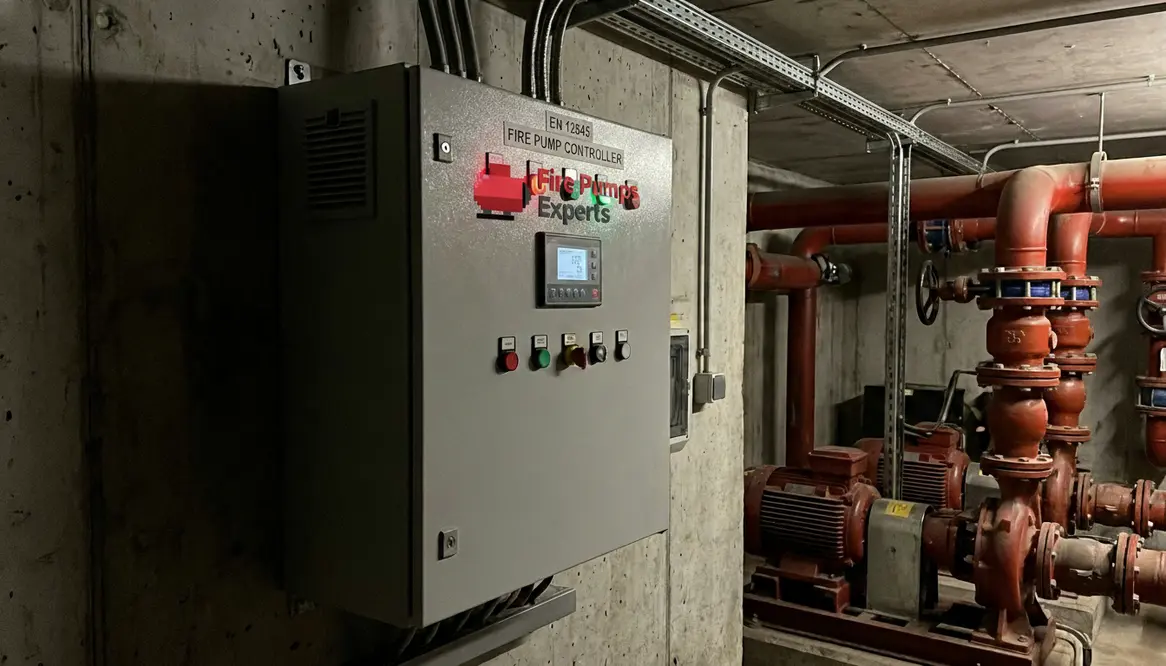
EN 12845 Fire Pump Controller Requirements Guide
EN 12845 Fire Pump Controller Requirements Overview
When I talk about fire safety for large buildings, I always start with the EN 12845 controller. It sits at the center of the pump system, and it helps make sure water is ready when a fire breaks out. In commercial and industrial sites, there is no room for guesswork. A weak control setup can turn a serious event into a full disaster. So, in this guide, I will walk through the main requirements in a clear way, without the usual smoke and mirrors. Yes, fire protection can sound dry, but it matters more than the office coffee machine, and that is saying something.
What an EN 12845 fire pump controller must do
The controller must start the pump fast, stay reliable, and keep working under stress. In practice, it has to respond to pressure loss, support manual start, and show clear fault signals. It also needs to fit the needs of commercial and industrial facilities, where water demand can rise fast and failure is not an option.
First, the controller must manage automatic start from the pressure switch or other approved signal. Next, it should allow a manual start, because humans still need a button to press when the system gets serious. Then, it must give clear status feedback for power, pump run, alarm, and fault. If the system cannot tell you what it is doing, it is about as helpful as a movie plot with no ending.
EN 12845 controller installation rules for safe use
The controller should sit in a safe, easy to reach place near the pump room. However, it must stay away from flood risk, heat, and damage. I also look for strong enclosure protection, proper cable entry, and clear labeling. These details may seem small, yet they shape real performance when the pressure is on.
In many major property buildings, the pump room works like a backstage area in a concert. Nobody cheers for it, but everything depends on it. Therefore, the controller must stay accessible for checks, testing, and service. It should also have enough space around it for safe work and quick repair.
Power supply and alarm needs in fire pump controller systems
The power setup must support dependable operation. Usually, the controller works with a main supply and a backup source, so the pump can keep going during an outage. As a result, the system can still protect the building when the grid takes a nap. And yes, power cuts always seem to happen at the worst possible time, like a villain timing a grand entrance.
The controller also needs alarm functions that help staff react fast. I want clear signals for power loss, pump failure, phase fault, and battery trouble if the setup uses stored power. Moreover, the alarm should not hide behind complex menus. In an emergency, simple wins every time.
EN 12845 controller checks for testing and maintenance
Testing matters because a fire pump system only proves itself when it runs under real conditions. For that reason, the controller must support regular checks, simulated starts, and easy inspection. I always recommend a test plan that matches site risk, pump size, and building use.
Here is a quick view of the main points:
Left column
- Automatic start response
- Manual start option
- Clear fault display
- Power and alarm indicators
Right column
- Safe enclosure design
- Easy access for service
- Strong power continuity
- Regular test support
Routine maintenance habits that actually help
Maintenance teams in industrial plants and large commercial sites should check the controller often. They should verify wiring, alarms, start logic, and indicator lights. Also, they should keep records of every test. That paper trail may feel boring, but it can save a lot of stress later. Bureaucracy, in this case, actually earns its keep.
This is also where the EN 12845 controller shows its true value: simple, repeatable tests, clear feedback, and no surprises during inspections or real incidents.
How I choose an EN 12845 fire pump controller for a project
Matching the controller to the building and risk
When I choose a controller, I look at the building size, fire risk, pump type, and system layout. I also check if the controller matches the fire design standard and local rules. For example, a warehouse, data center, or high rise may need a different level of support than a smaller business site. The goal is simple: the controller must fit the job, not just the brochure.
A well selected EN 12845 controller can support long-term reliability, reduce nuisance faults, and make testing far less painful for the teams who live with the system every day.
Quality, support, and long-term resilience
I also pay close attention to quality of parts, spare support, and service access. A well built controller cuts downtime and helps the fire pump stay ready for the long haul. The EN 12845 controller is not just a panel with lights; it is a life-safety control system that has to age gracefully, not crumble after a few hard years in a hot pump room.
If you want a deeper technical resource, I suggest using this EN 12845 fire pump controller guide for commercial fire protection as a useful reference point during planning and review. Studying that kind of detail early usually prevents expensive redesigns later.
Key reasons the EN 12845 controller deserves attention
All of this leads back to one simple point: the EN 12845 controller is where design intent turns into actual performance. It connects sensors, power, alarms, and the pump itself into one coordinated response. If that link fails, the rest of the system is just expensive plumbing and cable tray.
Treating the EN 12845 controller as a critical asset rather than a commodity box shifts how budgets, maintenance time, and engineering effort are allocated. That shift is often what separates robust, dependable fire protection from systems that only work on paper.
FAQ
Conclusion
If you manage a commercial or industrial property, I urge you to treat fire pump control like a core safety asset, not a side note. A strong EN 12845 controller keeps the system ready, clear, and dependable when every second counts. It also turns messy electrical and hydraulic complexity into simple states that operators can actually understand under stress.
So, review your current setup, check the alarms, test the start logic, and make sure your pump room is up to standard. Confirm that the EN 12845 controller is installed where it can survive fire, heat, and flooding, and that it is tested often enough to earn your confidence, not just tick a box on a form.
If you need expert support, now is the time to act before a fire writes its own review. A little focused effort on the controller today can prevent a very expensive lesson later, when nobody has time to read standards or argue about what should have been installed.