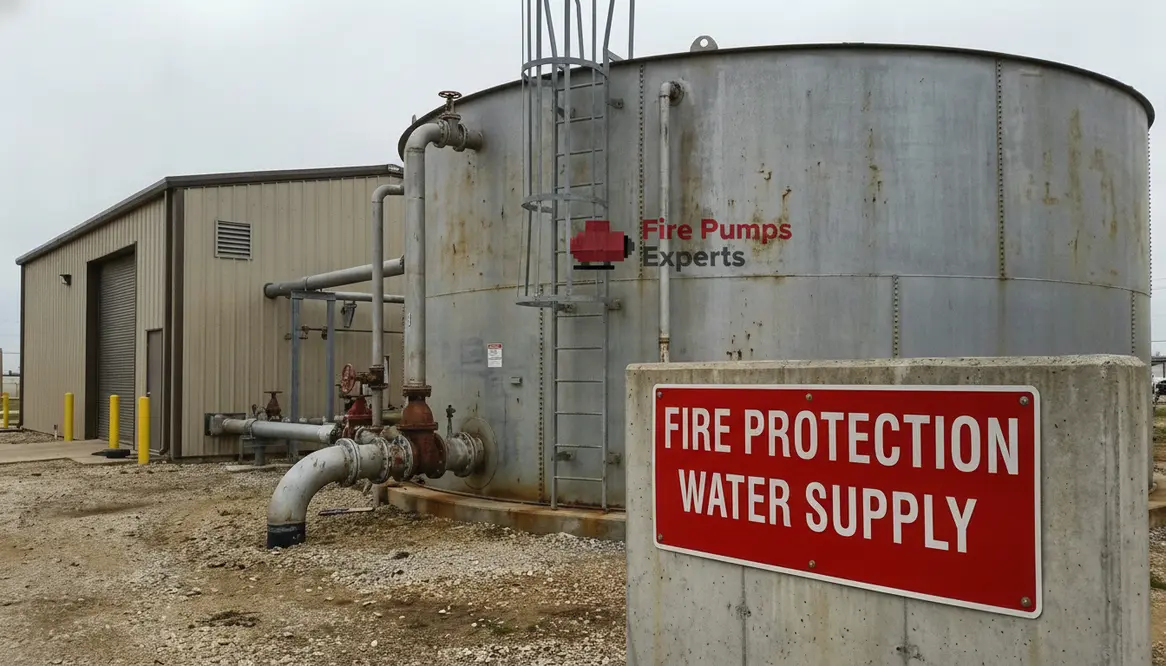
EN 12845 Fire Pump Suction Tank Requirements Checklist
EN 12845 Fire Pump Suction Tank Requirements: What I Check Before a System Goes Live
When I look at an EN 12845 suction tank, I do not see a simple water container. I see the quiet heart of a fire protection system. If the tank fails, the pump may have nothing useful to draw. And in a commercial or industrial building, that is not a small problem. It is the kind of problem that turns a normal day into a very expensive headline. So, in this guide, I will walk through the key requirements, explain why they matter, and keep it practical for major properties that need their systems to work when the pressure rises, literally.
At a glance: why the suction tank matters
- Feeds the fire pump with stable water under pressure
- Holds enough volume for the full design discharge time
- Protects the system from air entrainment and vortexing
- Turns a “looks fine on paper” design into a system that actually works
What EN 12845 expects from a suction tank
EN 12845 sets out clear expectations for water supply to fire pumps. First, the tank must provide enough water for the required discharge time. That sounds simple, but the detail matters. I always check the storage volume, the usable water level, and the allowance for pump demand during the full design period. In addition, the tank must stay reliable under real site conditions, not just on paper. A fire pump wants a steady supply, not a dramatic surprise like a streaming service buffering at the worst moment.
Also, the tank must support the pump without air problems, vortexing, or unstable flow. Therefore, the design has to include proper inlet and outlet arrangement, correct pipe sizing, and enough free space above the water surface. If the tank cannot feed the pump cleanly, the whole fire protection setup loses strength fast.
Design details I focus on for reliability
When I review an EN 12845 fire pump suction tank, I look at the parts that often cause trouble later. These details may seem small, yet they control the whole performance.
Key checks I make include
- Adequate water volume for the required hazard class and pump duration
- A stable water level with clear minimum working depth
- Proper anti vortex measures where needed
- Correct outlet position to reduce air entry and sediment pull
- Suitable materials and coating for the stored water condition
- Safe access for inspection, cleaning, and maintenance
Because I work around large sites, I also watch for practical issues like sludge build up, poor refill rates, and tank location. A tank in the wrong place can create long pipe runs, extra head loss, and avoidable pump strain. That is the kind of design choice that looks fine in a meeting and then causes grief for years. Nobody needs that kind of legacy.
How I verify the tank meets the system demand
Here, I use a simple rule: the tank must match the fire pump, not the other way around. First, I confirm the pump duty point and the required water supply duration. Then I compare that need with the tank’s usable volume. After that, I check refill arrangements, because some sites assume the tank will magically recover on its own. Spoiler: it will not.
Moreover, I look at the drawdown level. The pump must keep drawing water without pulling in air or causing unstable suction. If the usable volume drops too close to the outlet, the pump may suffer poor performance. For commercial and industrial facilities, that risk is not worth taking. A warehouse, plant, or high rise property needs consistent water delivery, not guesswork dressed as confidence.
Quick sizing mindset
- Start with hazard classification and design duty
- Confirm pump flow and required time at that flow
- Translate this into usable tank volume, not gross volume
- Check that the EN 12845 suction tank arrangements let you use that volume without air ingress
If the numbers look tight, I do not “hope for the best”. I either increase volume, improve the refill, or re examine the demand.
EN 12845 suction tank installation points for major properties
For large buildings, I pay close attention to installation because the site conditions can change everything. Below is a quick dual view of the main points I review:
Location and structure
Tank location: I place it where access stays easy and where the pump suction path stays short and direct.
Structural support: I confirm the base can carry the full filled weight without settlement or movement.
Operation and access
Refill and overflow: I make sure the refill system supports recovery after testing or use, and the overflow protects the site.
Inspection access: I keep manways, level checks, and cleaning access practical for maintenance crews.
As a result, the tank remains serviceable over time. That matters because fire systems do not win awards for looking polished on day one. They win by standing ready year after year, quietly, like the best character in a crime drama.
Maintenance checks I never skip
Even a well designed EN 12845 suction tank needs regular care. I inspect water levels, valve position, signs of leakage, internal condition, and any buildup that could affect suction. In addition, I check that alarms and monitoring devices work as intended. A tank can look fine from the outside while hiding trouble inside. That is why routine inspection is not a box ticking exercise. It is the difference between confidence and crossed fingers.
I also recommend checking seasonal conditions. Temperature, evaporation, contamination, and site operations can all affect tank performance. On industrial sites, dust and debris can enter faster than people expect. So, I keep the maintenance plan simple, firm, and consistent. The system should not depend on luck, and frankly, luck is a terrible fire safety strategy.
Putting it all together on real projects
On live projects, the EN 12845 suction tank does not sit in isolation. It sits in a web of pumps, controllers, pipework, test lines, and people with different priorities. I see plenty of systems where the pump selections are polished, the control panels are shiny, and the tank feels like the dull relative no one wants to talk about. That is usually where the problems hide.
I pay attention to how the tank interfaces with the fire pump room, how test lines bring water back, and how site operators will actually run weekly or monthly tests. A beautifully calculated volume is only helpful if the suction arrangement, valves, and access points let the pump use it without drama.
For teams that want more structured guidance on this, the resources at https://firepumps.org are a solid place to start building internal standards around water supplies and pump acceptance.
Why the EN 12845 suction tank deserves priority
If a control panel misbehaves, someone notices quickly. If a pump room light fails, the maintenance team usually gets a ticket. The EN 12845 suction tank is different. It can quietly lose capacity, corrode, accumulate sludge, or have its valves “temporarily” closed for some unrelated works. Nothing looks wrong from the car park, but the fire protection backbone is no longer what the drawings promise.
That is why I treat the tank as a critical asset, on the same priority list as the pumps themselves. Clear responsibilities, logged inspections, and photographs of water levels and internal condition go a long way. When a site treats the suction tank as a quiet afterthought, the system drifts toward “works most of the time” rather than “works when it truly matters”.
Conclusion
If you want your fire protection system to do its job, treat the EN 12845 suction tank as a critical asset, not an afterthought. I always advise commercial and industrial property teams to review capacity, layout, access, and maintenance together. That way, the tank supports the pump with steady water and fewer surprises. If you manage a major property, now is the time to assess your setup, close the gaps, and make sure your system stands ready when it counts.