EN 12845 Fire Pump Maintenance Guide for Commercial and Industrial Buildings
When I talk about EN 12845 maintenance, I am talking about the quiet work that keeps a fire pump ready when the pressure drops and the clock starts moving fast. In commercial and industrial buildings, that matters more than most people like to admit. A fire pump does not care about excuses, and it certainly does not care that everyone was “about to get to it.” So, I keep the focus simple: check it, test it, document it, and fix the weak spots before they become expensive drama.
This guide walks through the right routine for major property buildings, from daily checks to deeper inspections. I will keep it practical, clear, and a little less sleepy than a typical compliance document. Because yes, maintenance can sound like a form with a pulse, but done well, it protects people, assets, and business continuity.
What EN 12845 maintenance covers in real life
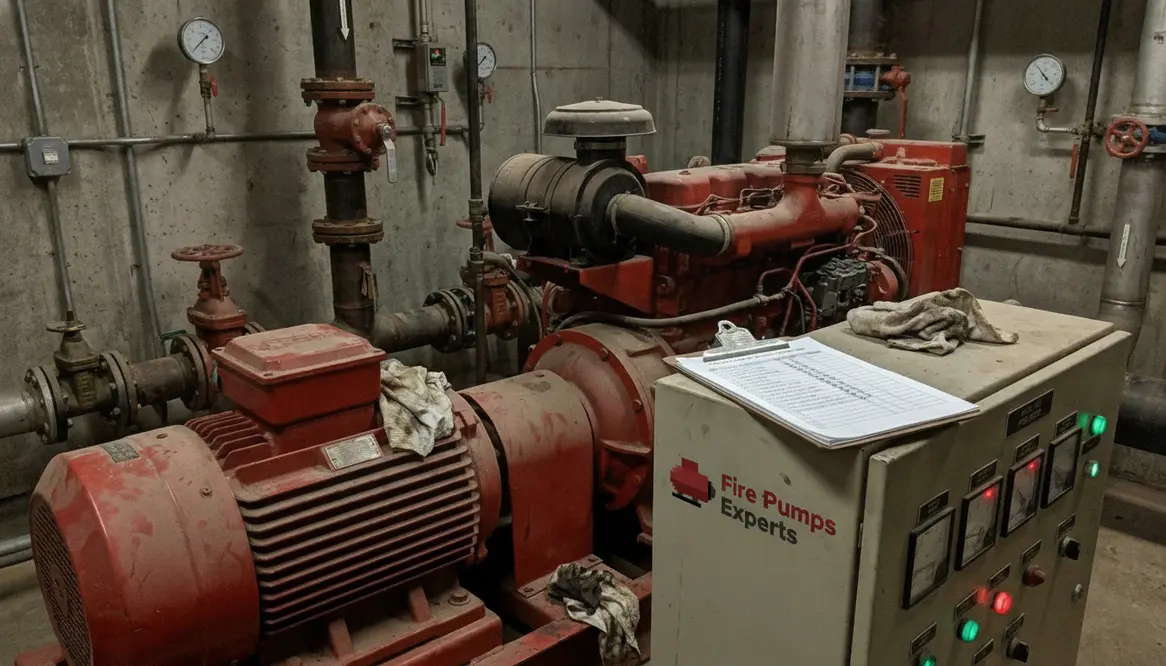
EN 12845 maintenance covers the full care of the fire pump system that supports sprinkler performance. That includes the pump itself, the driver, control panel, suction and discharge lines, valves, power supply, fuel system, and basic room conditions. In plain English, I am making sure every part that helps water move when needed can actually do its job.
For commercial and industrial sites, I always treat the pump as part of a wider life safety chain. If one link fails, the rest can struggle. Therefore, I check for wear, leaks, loose fittings, blocked strainers, battery issues, and signs of trouble in the controller. A quick glance is not enough. I want proof, not optimism. Optimism is lovely at a birthday party, but it is not a maintenance plan.
How I build a maintenance schedule
I start with a schedule that matches the building risk, system type, and site use. A large warehouse, for example, will need tighter oversight than a small office block, because the load, operating hours, and fire risk can differ a lot. So, I build the plan around routine checks, weekly tests, monthly inspections, and annual service work.
Here is the simple rhythm I use:
Daily or weekly
Check pump room access, visible leaks, pressure readings, controller status, and power supply indicators.
Monthly
Inspect batteries, fuel levels, cooling, pump condition, valves, and alarms. Also confirm the pump room stays clean and dry.
Quarterly and annual
Run test starts, review performance data, inspect mechanical parts, and confirm full compliance records.
This rhythm works because it catches small issues early. In addition, it keeps the building team from facing a surprise failure during an emergency, which is the sort of surprise nobody wants. Not even Batman.
What I check during a pump inspection
When I inspect the pump, I look beyond the obvious. First, I check the controller for fault lights, alarms, and signs of unstable power. Then I inspect suction and discharge valves to confirm they sit in the correct position and move properly. After that, I look at the pump casing, shaft seal, couplings, and base for wear or vibration clues.
I also test starting performance. A pump should start fast and hold steady under demand. If it hesitates, that is a warning. If it sounds rough, I listen closer. Strange noise often tells the story before a breakdown does. Next, I review the pressure and flow results, because numbers matter more than hopeful guesses. Finally, I check the room itself. Heat, damp air, blocked access, or poor lighting can all make maintenance harder and response slower.
How I handle common faults before they grow
Most fire pump problems begin small. A loose terminal becomes a power fault. A slow drip becomes corrosion. A weak battery becomes a failed start. So, I act early. I tighten fittings, replace damaged parts, clean contacts, and correct control issues before they spread.
For diesel systems, I pay special attention to fuel quality, battery health, and engine cooling. For electric systems, I focus on supply stability, controller condition, and motor checks. Either way, I avoid the “we will see later” approach. Later is where problems go to get worse.
Also, I keep a record of each fault and repair. That helps me spot patterns. If the same valve keeps causing trouble, I do not just fix it again and hope for a better universe. I find the root cause and deal with it.
Why records matter for EN 12845 maintenance
Good records make compliance easier and maintenance smarter. They show what I checked, what I found, what I fixed, and when I returned to confirm the system worked. In a commercial or industrial setting, that paper trail matters during audits, insurer reviews, and internal safety checks.
Records also help me compare trends over time. If pressure drops keep showing up, I can trace the issue faster. If a part wears out early, I can plan replacement before it causes downtime. In other words, records turn maintenance from guesswork into control. And control, in fire safety, is worth its weight in gold.
What a firepump specialist should bring to the table
When a site needs expert help, I look for a team that knows commercial and industrial fire systems, not just general plumbing or basic mechanical work. The right specialist should understand EN 12845 rules, test methods, system faults, and how to work with major properties without disrupting operations.
For businesses that need support, I recommend reviewing a trusted EN 12845 fire pump maintenance service for commercial sites that focuses on industrial and large property systems. That kind of support can save time, reduce risk, and keep the system ready without turning the plant floor into a circus.
Key points for practical EN 12845 maintenance
- Keep a clear schedule for checks, testing, and servicing.
- Track every result and repair so patterns are easy to spot.
- Give diesel and electric systems the specific checks they need.
- Treat the pump room like critical plant, not a forgotten store room.
Frequently asked questions on EN 12845 maintenance
Conclusion
If you manage a commercial or industrial building, I urge you to treat fire pump care as a standing priority, not an afterthought. Strong EN 12845 maintenance protects people, property, and business uptime. So, build a schedule, keep the records clean, and bring in expert help when the system needs it. If you want a fire pump that stands ready when the heat is on, start the right maintenance routine today and keep it that way.