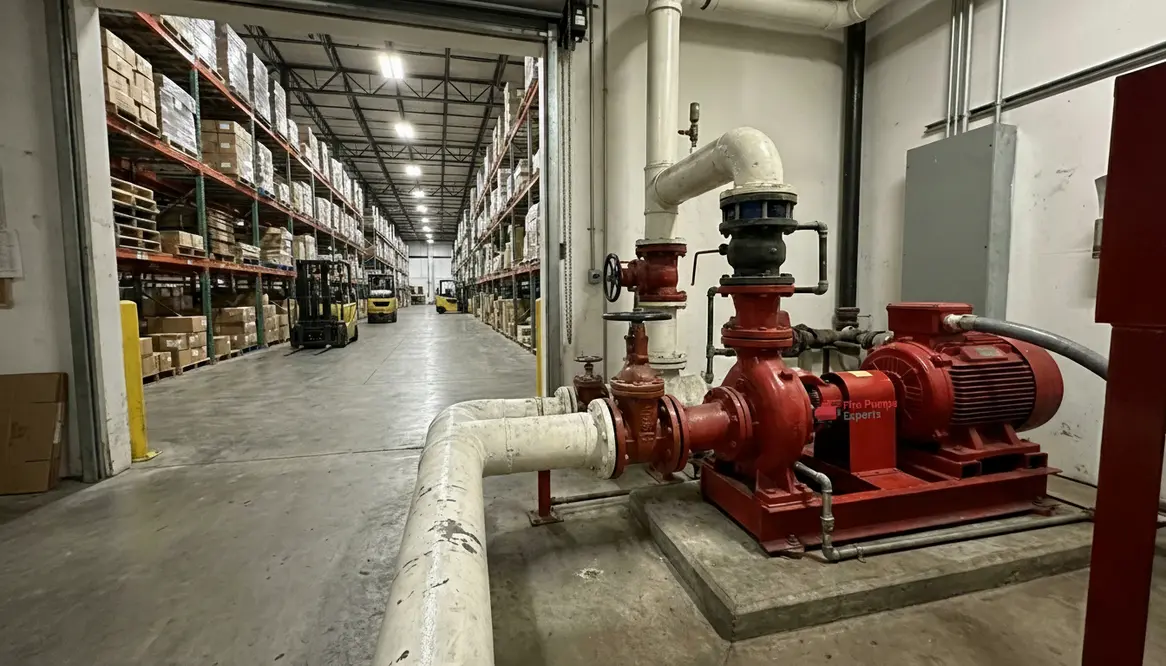
End Suction Fire Pump High Demand Riverside Guide
I have spent years walking the concrete floors of large industrial spaces, and I can tell you this much with calm certainty: when it comes to end suction fire pump high demand Riverside scenarios, warehouses don’t play fair. They stretch systems, push limits, and expose every weak assumption. In Riverside, where distribution hubs run like clockwork and inventory stacks high enough to make you crane your neck, fire protection systems carry a heavier burden than most people realize. And yes, sometimes those trusty pumps start to feel like a marathon runner asked to sprint uphill.
Understanding the Role of End Suction Pumps in Industrial Warehouses
I often explain it this way. End suction pumps are the reliable sedans of fire protection. They are efficient, cost effective, and straightforward to maintain. Because of that, many warehouse facilities rely on them for sprinkler systems and fire suppression needs.
However, while they work beautifully in moderate conditions, large Riverside warehouses introduce a different kind of pressure. High rack storage, expanded square footage, and increased fire loads demand more water flow and consistent pressure. As a result, these pumps begin operating closer to their limits than most engineers would prefer.
And let’s be honest, asking a standard pump to handle extreme demand is a bit like asking your favorite barista to serve coffee to an entire stadium. They might try, but something is going to give.
Why High Demand Changes Everything in Riverside Facilities
Riverside has become a logistics powerhouse. Therefore, warehouses here are not just big, they are massive. With that growth comes higher fire protection requirements driven by stricter codes and increased risk.
Because storage heights continue to rise, water must travel farther and with more force. In addition, modern commodities burn hotter and faster, which raises the required flow rates significantly. Consequently, the margin for error shrinks.
In these conditions, an end suction fire pump high demand Riverside setup may struggle to maintain consistent pressure across the entire system. That inconsistency can lead to uneven sprinkler performance, which is something no facility manager wants to explain after an incident.
Where Limitations Begin to Show
I have seen the same pattern more than once. The system works fine on paper, passes initial testing, and then slowly reveals its limits under real world demand.
Common pressure and flow challenges include:
- Pressure drop across long pipe runs
- Reduced performance at peak system demand
- Increased wear when operating near capacity
- Difficulty meeting updated fire codes
Moreover, these issues rarely show up all at once. Instead, they creep in quietly. One day the pressure dips slightly. Another day the system takes longer to stabilize. Over time, those small signs add up.
It is not dramatic like a Hollywood explosion scene. It is quieter, more subtle, and frankly more dangerous because of that.
How Do I Know If My Pump Is Undersized?
I get this question a lot, and thankfully the signs are fairly clear if you know where to look.
If your system struggles to maintain required pressure during peak testing, that is a red flag. Likewise, if your facility has expanded storage capacity or changed commodities without upgrading the fire pump, you are likely operating in a risk zone.
Additionally, frequent maintenance issues or unusual vibration can indicate the pump is working harder than intended. Think of it as your system quietly waving a white flag.
Practical Solutions for High Demand Environments
Now, I am not here to doom and gloom your day. There are solutions, and they are effective when applied thoughtfully.
Upgrade Strategies
- Install higher capacity pumps designed for large scale demand
- Use split case or vertical turbine pumps for better performance
- Reevaluate system hydraulics to reduce inefficiencies
Optimization Tactics
- Balance pressure zones across the facility
- Upgrade piping where friction loss is excessive
- Integrate monitoring systems for real time performance tracking
Furthermore, I always recommend a full system evaluation before making changes. Throwing a bigger pump at the problem without understanding the system is like buying bigger shoes to run faster. It sounds logical, but it rarely works out the way you hope.
Planning for Growth Instead of Reacting to It
One thing I have learned is that warehouses never stay the same. They expand, reconfigure, and push capacity limits. Therefore, designing fire protection systems with future demand in mind is not optional. It is essential.
When addressing end suction fire pump high demand Riverside concerns, I encourage facility owners to think ahead. Build in capacity. Allow room for system upgrades. Because when demand increases, and it will, you want your system ready rather than scrambling to catch up.
Besides, proactive planning is always cheaper than emergency retrofits. And it comes with far fewer headaches.
FAQ
In many of Riverside’s largest facilities, everyone eventually runs into the same question: is an end suction fire pump high demand Riverside configuration really enough? Before making changes, it helps to clear up some of the everyday questions that come up during system reviews and annual testing.
Conclusion
If you are operating a large warehouse in Riverside, do not leave your fire protection system to chance. I recommend taking a hard look at your current setup, especially under high demand conditions. The right upgrades today can prevent costly failures tomorrow. Reach out to professionals who specialize in industrial fire pump systems and make sure your facility is prepared for whatever comes next. Your building, your people, and your peace of mind depend on it.