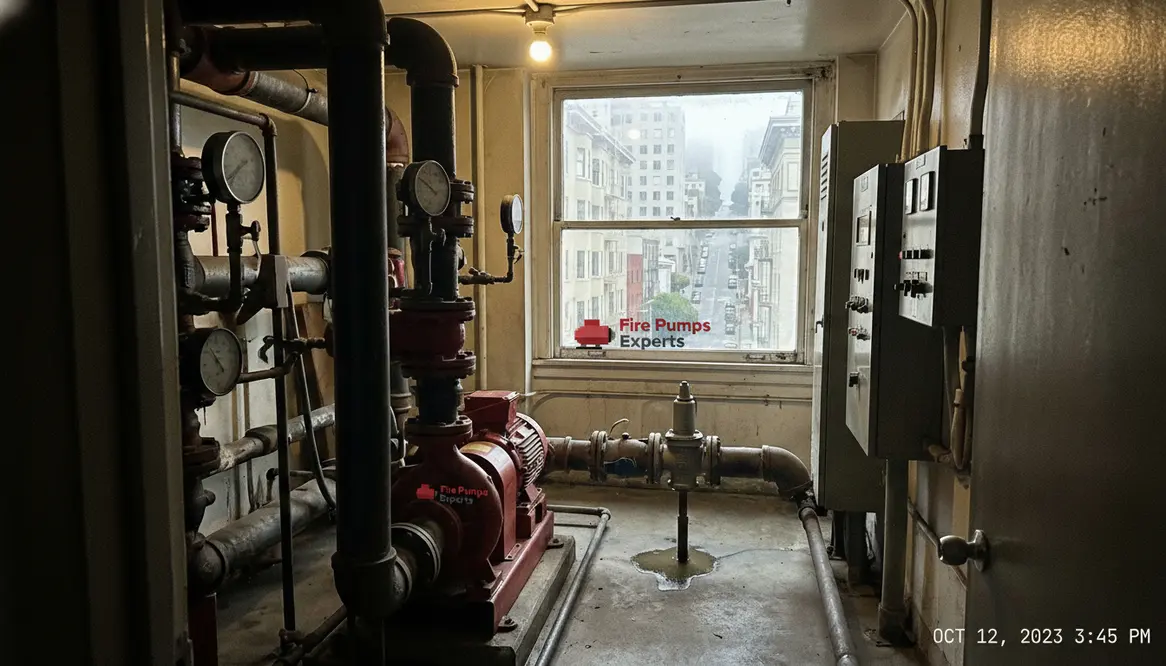
Inline Fire Pump System Imbalance San Francisco
I have spent enough time inside mechanical rooms to know one thing for certain: nothing exposes a building’s weaknesses faster than a fire pump under pressure. And in a city like San Francisco, where elevation shifts feel like a roller coaster designed by an overcaffeinated engineer, the issue of inline fire pump system imbalance San Francisco comes up more often than you might think. It is not just a technical hiccup. It is a systemic challenge shaped by terrain, aging infrastructure, and the unique demands of commercial and industrial properties.
So let me walk you through it. Slowly, clearly, and with just enough humor to keep us both awake.
Why Inline Fire Pumps Struggle in San Francisco Buildings
Inline fire pumps are designed for efficiency and compact installation. They sit neatly in the pipeline, doing their job without taking up much space. However, San Francisco does not play nice with neat designs. The city’s steep grades and varied building heights introduce uneven pressure zones.
As a result, water does not behave evenly across a system. One floor may experience excessive pressure, while another barely gets enough flow. Consequently, inline pumps often overcompensate, working harder than intended. Over time, that strain leads to wear, inefficiency, and occasional system failure.
And let’s be honest, asking a single inline pump to manage San Francisco’s vertical chaos is like asking one barista to handle a Monday morning rush. It can be done, but it will not be pretty.
What Causes Fire Pump System Imbalance in Tall Commercial Properties?
Several factors contribute to imbalance, and they tend to stack up quickly in large scale facilities. First, elevation differences create inconsistent pressure zones. Then, long pipe runs introduce friction loss, which further reduces efficiency.
Additionally, older buildings often have retrofitted systems that were never designed for modern demand. So, when a newer inline pump is added, it ends up compensating for legacy design flaws. That mismatch creates instability across the network.
Moreover, variable demand plays a role. Industrial facilities and high occupancy commercial buildings do not use water evenly. Peak demand in one section can starve another, especially when the system lacks proper zoning or pressure regulation.
Put simply, imbalance is not caused by one issue. It is a team effort, and unfortunately, it is a very coordinated team.
How Inline Fire Pump System Imbalance San Francisco Impacts Performance
Hidden performance losses you actually feel later
When imbalance sets in, performance drops in ways that are not always obvious at first. For example, the pump may cycle more frequently, which increases mechanical stress. Meanwhile, pressure fluctuations can damage valves, seals, and fittings.
More importantly, fire protection reliability takes a hit. Inconsistent pressure means sprinkler systems may not activate as designed. In a commercial or industrial setting, that is not just inconvenient. It is a serious risk.
Furthermore, energy consumption rises. The pump works harder to maintain pressure, even when the system design prevents it from succeeding efficiently. Over time, that translates into higher operating costs and more frequent maintenance.
And if you are picturing a pump quietly suffering in a basement somewhere, you are not wrong. It is doing its best. It just was not set up to win.
Smart Design Adjustments That Actually Work
Now, here is where things get interesting. Fixing imbalance does not always mean replacing the pump. Instead, I often look at how the system distributes pressure and flow.
Pressure zoning
Breaking the building into zones allows each section to maintain stable pressure. This reduces strain on the inline pump and improves overall consistency.
Booster integration
Adding supplemental pumps in key areas helps balance demand without overloading the main unit.
Control valves and sensors
Modern controls adjust flow dynamically, preventing sudden pressure swings.
System redesign
In some cases, reconfiguring pipe layouts reduces friction loss and improves distribution.
Each of these adjustments addresses a different piece of the puzzle. Together, they turn a struggling system into a stable one.
Why Older Infrastructure Makes Everything Harder
San Francisco has charm. It also has pipes that have seen things. Many commercial buildings still rely on infrastructure that predates modern fire protection standards. As a result, inline pumps often operate in systems that were never designed for their capabilities.
Additionally, space constraints limit upgrade options. Mechanical rooms are often tight, which makes it harder to install supplementary equipment. So, engineers must get creative, balancing performance improvements with physical limitations.
And yes, sometimes it feels like solving a puzzle where half the pieces were lost in 1972.
Inline Fire Pump System Imbalance San Francisco Solutions for Large Facilities
Looking at more than just the pump
For large commercial and industrial properties, the solution lies in a comprehensive approach. First, I assess the entire system, not just the pump. Then, I identify pressure inconsistencies and flow restrictions.
After that, targeted upgrades come into play. These may include advanced controllers, zoning strategies, or strategic pump additions. Importantly, each solution must align with the building’s operational demands.
Moreover, ongoing monitoring is essential. Systems evolve, and so do usage patterns. By tracking performance, facility managers can address issues before they escalate.
Because in this city, if you wait until something breaks, it already has.
Frequently Asked Questions About Inline Fire Pump System Imbalance San Francisco
These are the questions that show up right after someone realizes their “perfectly fine” system is anything but.
Conclusion
If your facility is dealing with inconsistent pressure or unpredictable performance, it is time to take a closer look. I help commercial and industrial properties tackle challenges like this head on, with practical solutions that actually hold up under pressure. Reach out, and let us turn that struggling system into one that performs the way it should. Quietly, reliably, and without surprises.