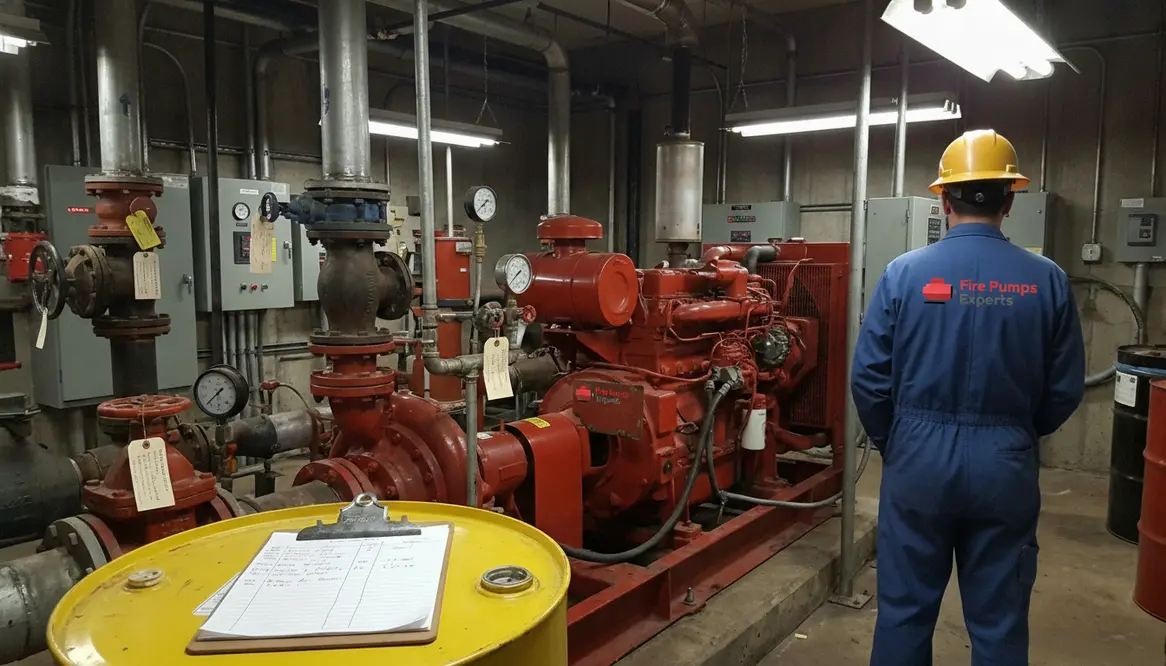
Fire Pump Compliance Audit for Global Facilities
I take fire pump compliance seriously because, in commercial and industrial facilities, a weak system can turn a small problem into a very bad day. I have seen how global sites juggle different codes, local rules, and equipment quirks, and it can feel like running a world tour with a smoke alarm in the front row. Still, the job stays simple at its core: prove the pump will work when the sprinkler system needs it. That is the heart of a strong audit, and it matters whether the building sits in Houston, Hamburg, or Hong Kong.
Why I Treat Audits as a Business Priority
I do not see audits as a box to check. I see them as proof that the site can protect people, assets, and uptime. For major properties, the cost of a failure can hit hard. If a pump does not start, pressure drops fast, and the whole fire protection plan starts to wobble like a bad sequel nobody asked for.
Also, global facilities face more than one standard. Therefore, I always look at the local code, the insurer’s demands, and the site’s own risk rules. A good audit brings those parts together. It shows where the system meets the mark and where it needs work before anyone has to learn the hard way.
What I Check During a Compliance Review
I start with the basics, because the basics save the day. Then I move into the details that often get missed during busy plant work or a rushed property walk. Here is the short version of what I review:
- Water supply and tank level, plus signs of blockage or low flow
- Pump condition, including engine or motor health, seals, and casing
- Controller status, alarms, and starting method
- Test records for weekly, monthly, and annual checks
- Valves, gauges, and fittings for leaks, damage, or poor tags
- Power source and backup support for electric units
- Room condition, heat, access, drainage, and lighting
Each of these points feeds directly into fire pump compliance and real-world performance. A single weak link, like a stuck valve or missing weekly test, can turn a well-designed system into a guessing game during an emergency.
The more consistent the checks, the more predictable the outcome when the system is under stress. That predictability is the entire point of a solid compliance review.
Next, I compare the equipment data with the site records. If the nameplate says one thing and the logbook says another, I stop and dig deeper. That mismatch may look small, but it can point to a bigger issue with maintenance, training, or old paperwork that has been sleeping on the job.
How I Handle Global Site Differences
Global facilities often carry one brand of pump but follow many local rules. So, I map the site by region before I audit it. I check the code set used at that location, then I look at language needs, spare parts access, and service support. This step saves time later, and it keeps the audit grounded in real site conditions.
In one country, a monthly churn test may satisfy the rule. In another, the same site may need a different review trail, more testing, or sharper documentation. Because of that, I keep the process flexible but exact. I also involve local teams early, since they know the building habits, the weather, and the lovely little surprises that never appear in a spreadsheet.
What a Strong Audit Report Should Show
I want the report to answer three things fast: what works, what fails, and what needs action now. If the report reads like a mystery novel, nobody wins. A strong report should stay clear and useful.
Dual column view of results and meaning
Audit result
Pass
Conditional pass
Fail
Open item
Meaning
The item meets the rule and can stay in service
The item works, but follow up is needed soon
The item needs repair, retest, or replacement
More data or site action is required before closeout
Then I add clear next steps, owners, and dates. That way, the report becomes a tool, not a paper trophy. In fire protection work, action beats decoration every time.
Fire Pump Compliance basics for maintenance teams
I always tell maintenance teams that fire pump compliance lives or dies in daily habits. If the crew tests on time, logs results well, and flags trouble early, the system stays ready. If they skip checks because “the pump looks fine,” they are basically trusting a superhero based on vibes. Not ideal.
Good practice includes regular run tests, quick review of alarms, clean pump rooms, and fast repair of small leaks or weak parts. In addition, teams should know who owns each task. That keeps work from slipping through the cracks, which is where compliance problems love to hide.
When I Recommend Outside Support
I call in outside help when the site lacks local expertise, when records look thin, or when the pump system has repeated faults. I also recommend support after upgrades, big repairs, or code changes. That outside view often catches issues the in house team has grown too used to seeing.
If you want deeper guidance for commercial and industrial properties, I suggest using a trusted resource like fire pump compliance support for commercial facilities. It helps teams stay focused on the right standards and avoid costly gaps in coverage.
Outside experts can also benchmark multiple locations at once, so global portfolios get a consistent view of fire pump compliance instead of a patchwork of local habits. That consistency matters when you are answering to leadership, insurers, and regulators at the same time.
FAQ
Bringing It All Together
I help facilities stay ready by turning audit findings into clear action. If your site manages fire pumps across regions, now is the time to tighten records, test the system, and close the gaps before they grow teeth. Reach out, review your current process, and make sure your next inspection does more than pass; make it prove the system is ready when it counts.
Treating fire pump compliance as a living process, not a one-time event, keeps people safer and operations steadier. Whether your building sits in Houston, Hamburg, or Hong Kong, the goal stays the same: when the sprinkler system calls, the pump answers without hesitation.