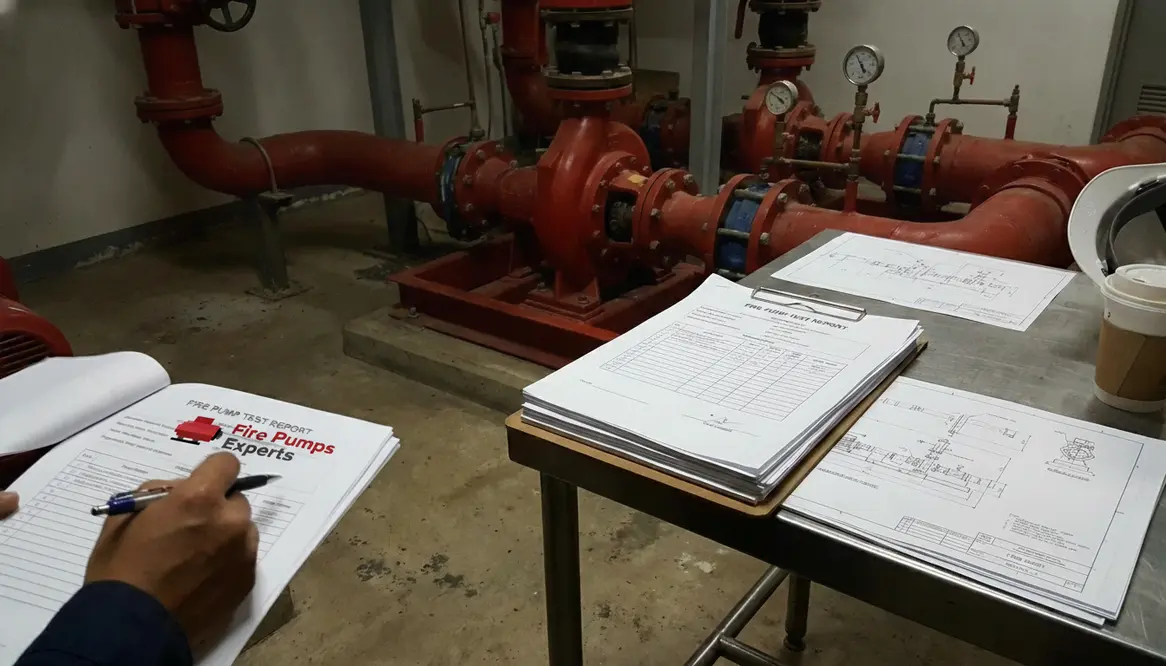
Fire Pump Installation Documentation and Codes Guide
When I look at fire pump installation documentation across global codes, I see more than paperwork. I see the trail that proves a system was built right, tested right, and ready when a commercial or industrial building needs it most. In my world, fire pump codes are not just a stack of rules; they guide the whole job, from design notes to final sign off. And yes, the paperwork can feel like a sequel nobody asked for. Still, it matters. A missing record can slow approval, trigger rework, or make an authority having jurisdiction ask the kind of questions nobody wants after a long day.
In this article, I will walk through what I document, why each piece matters, and how I keep the process clear across major code sets used in large properties. The goal is simple: help you stay compliant, reduce delays, and keep the fire pump system ready for duty.
Why fire pump documentation matters in large facilities
I treat documentation as part of the system, not an extra chore. For commercial buildings, warehouses, data centers, hospitals, airports, and other large sites, the fire pump supports life safety and property protection. So, the record must show more than “we installed it.” It must show who did the work, what equipment went in, how it was tested, and which code path the project followed.
First, strong records help the approval process move faster. Second, they support future inspections, repairs, and upgrades. Also, they protect the owner when a question comes up years later and nobody remembers why that valve sits at that angle. Building memory fades. Documentation does not.
What I include in fire pump installation records
Here is the core package I build for a commercial or industrial fire pump project:
Dual column view
Document
Approved plans and submittals
Manufacturer data sheets
Hydraulic calculations
Installation photos
Startup and acceptance test reports
Inspection and maintenance log
Why I keep it
They show the design intent and the reviewed equipment list
They confirm ratings, model numbers, and listed use
They show the pump can meet demand under the right conditions
They prove layout, clearances, and connection details
They confirm the pump performs as required
They support ongoing compliance after turnover
Next, I add site specific notes. For example, if the pump room has access limits, ventilation concerns, or unusual suction conditions, I document them. That way, the record tells the full story, not just the neat version.
How I align fire pump codes with global standards
Different regions may use different rules, but the documentation themes stay close. I usually see NFPA based requirements used in many international projects, while local codes or civil defense rules may add their own demands. So, I build a file that satisfies both the base standard and the local authority.
In practice, I focus on a few shared points. I record the pump type, power source, controller data, suction and discharge arrangement, test method, and acceptance results. Then I match each item to the applicable code section or local rule. That approach keeps fire pump codes from turning into a maze and makes review easier because the inspector does not need to play detective. Sherlock Holmes might enjoy that job. Most engineers do not.
I also keep the language plain. When a code asks for proof of proper installation, I do not bury it in fluff. I show the test result, the drawing reference, and the installer record. Clear beats clever every time.
Which records AHJs and owners ask for first?
What authorities look for
Authorities having jurisdiction usually start with the same basics. They want to know that the pump was listed or approved for the task, that it was installed as designed, and that it passed the acceptance test. Owners, on the other hand, often ask for the records that help them run the system after handoff.
Front-of-file essentials
- Approved submittals
- Installer and tester credentials
- Pressure and flow test results
- Controller and alarm records
- As built drawings
- Final closeout package
Moreover, I keep timestamps on every major step. That simple habit helps when a project gets reviewed months later and someone asks, “When did the factory test happen?” No one wants to scroll through emails like they are hunting for the last season of a streaming show.
How I keep documentation useful after turnover
A fire pump file should not die in a cabinet. Instead, it should support the life of the system. I recommend a clean turnover package with digital and hard copy versions, because large properties often need both. Facility teams change, vendors change, and equipment ages. Good records reduce stress when maintenance, repair, or replacement comes up.
Also, I tie the installation file to the inspection program. When the annual test shows a drop in performance, the team can look back at the original acceptance data and compare results. That makes problem solving faster and far less dramatic. Think of it as giving the pump a biography, not just a name tag.
For organizations that need help organizing project files, I often point them toward a trusted resource like commercial fire pump compliance support. It helps keep the work focused on major properties where the stakes stay high and the expectations stay even higher, especially when matching project specifics to detailed fire pump codes for complex facilities.
FAQ
Conclusion
If you want your fire pump project to pass review and stay useful long after handoff, I suggest you build the documentation with care from day one. Keep the records clear, complete, and tied to the right code path. Then, protect them like they matter, because they do. If your commercial or industrial facility needs a cleaner process, better records, or a sharper compliance plan, now is the time to organize it, align it with the appropriate fire pump codes, and move forward with confidence.