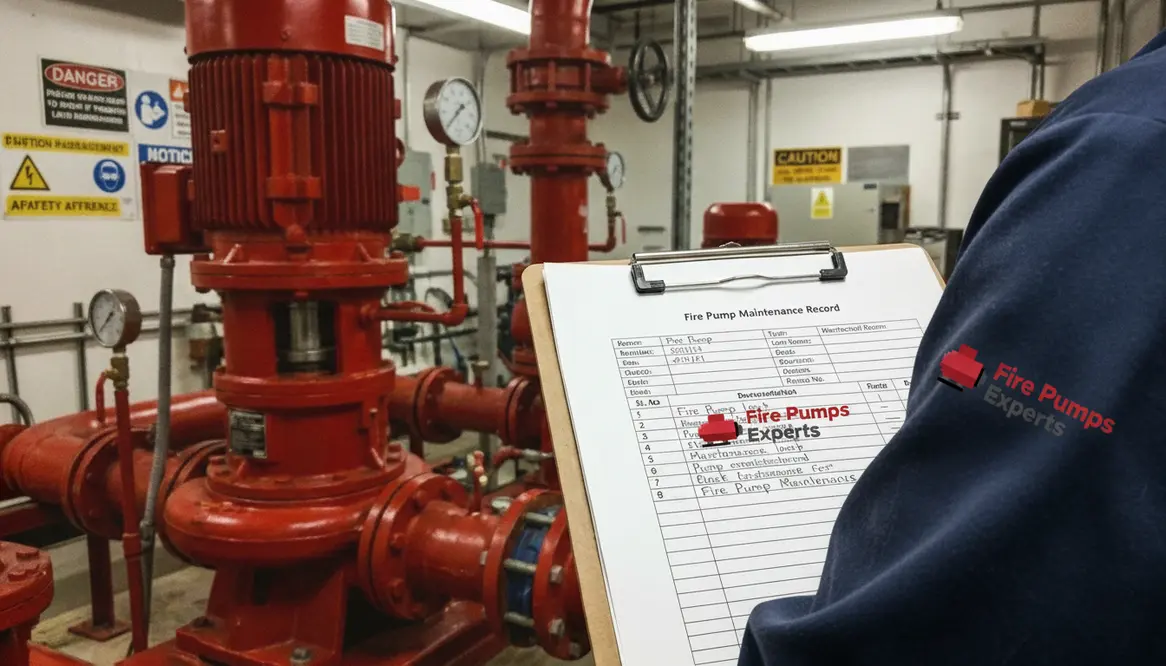
Fire Pump Maintenance Records and Global Standards
How solid records, smart processes, and global fire pump standards keep commercial and industrial protection sharp, provable, and ready when trouble shows up uninvited.
Fire Pump Maintenance Records Across Global Standards
I have seen one truth hold steady across every serious commercial site and industrial plant: if the fire pump fails, the paperwork should not. That is why fire pump standards matter so much. They guide how I inspect, test, log, and prove that a fire pump is ready when trouble shows up uninvited. In a warehouse, tower, refinery, or data center, maintenance records do more than sit in a file. They show compliance, support audits, and help me catch small problems before they turn into a very expensive headline. And yes, paperwork can save the day. Not glamorous, but neither is smoke.
At a glance
- Why records decide how strong protection really is
- How global rules shape what you write down
- What to log in every inspection and test
- Practical habits that keep your pump story straight
Why fire pump maintenance records matter in commercial and industrial sites
I treat maintenance records as the memory of the system. A fire pump may look strong and quiet, but its real history lives in the logs. When I keep good records, I can track performance changes, spot weak seals, and see if pressure drops slowly over time. That matters most in commercial and industrial facilities, where one missed issue can affect a whole building or plant.
Also, records help me show that testing happened on time and that the results matched the required range. That matters during insurance reviews, safety checks, and internal audits. In other words, the record is not just a form. It is proof. It is also the place where a good tech becomes a great one. Anyone can say, “We checked it.” A clean log says, “Here is the date, the reading, the issue, and the fix.” Much more convincing than a shrug and a coffee stain.
How global fire pump standards shape record keeping
I always start with the standard that applies to the site, because record keeping changes by region and by code set. Across global markets, the most common systems expect similar proof, even when the exact form differs. Some standards focus on weekly churn tests, while others lean hard on monthly and annual checks. Still, the heart of the process stays the same: document the condition, document the test, document the repair.
For many major properties, the records need to show:
- The date and time of each inspection
- The name of the person who performed the work
- Test pressures, flow data, and pump speed where needed
- Any alarm, fault, or abnormal sound
- Corrective action and the closeout date
I like to think of these logs as the fire pump’s season recap. If the pump had a bad day, the record should explain why. If it ran like a champion, the record should prove it. That clarity helps teams compare sites across borders too, which is useful for global owners who manage several properties under different rules.
What I record during inspection and testing
I keep the notes simple, complete, and repeatable. First, I identify the pump type and location. Then I log the run time, suction and discharge pressure, controller status, power source, and visible condition. After that, I note vibration, leaks, noise, heat, and any part that looks worn. If the pump starts late, runs rough, or fails to hold pressure, I write it down right away.
Next, I add the result of the test. Did the pump meet the required performance? Did it start as expected? Did the flow remain stable? If not, I note what I saw and what I did next. That might include a seal check, alignment review, battery replacement, or a deeper service call. The goal is not to create a perfect story. The goal is to create an honest one.
Fire pump standards and the records auditors expect
When auditors review fire protection records, they usually want three things: completeness, timing, and proof of follow up. They do not want a stack of blank lines and mystery dates. They want a clear trail from inspection to correction. That is where fire pump standards give the record its shape.
Here is a simple two column view I use to think about what matters:
Record item
- Test date
- Measured values
- Defect note
- Repair closeout
Why it matters
- Proves the schedule stayed on track
- Shows the pump met its required performance
- Flags risk before failure grows
- Confirms the issue was fixed and checked again
This kind of structure helps me keep the file ready for review without turning the whole thing into a detective show. No one wants to spend an afternoon guessing what “checked okay-ish” means.
How I keep records useful across countries and sites
For large organizations, I keep the same core fields across every site, then adjust the details for local code needs. That way, a plant in one country and a tower in another still speak the same record language. Standard names for equipment, tests, and defects make life easier for managers, consultants, and service teams.
I also use digital storage whenever possible. It helps me search faster, compare trends, and back up files without fear of losing a paper folder to coffee, rain, or a very determined maintenance cart. Even so, I still keep clear access rules. The right people need the right records fast, especially during an emergency or audit. A record that exists but cannot be found is just a very organized rumor.
If you want reference material that lines up with many global approaches, resources like https://firepumps.org/ can help you keep an eye on the way different rule sets handle fire pump standards and documentation.
Practical tips for better fire pump logs
I follow a few habits that keep logs strong and simple:
- Write the result right after the test
- Use the same terms every time
- Include the reason for any repair
- Attach service reports when a part changes
- Review old entries for patterns, not just single events
These small steps help me build a real maintenance story. Over time, that story can point to weak controllers, bad suction conditions, or repeat faults before the system suffers. That is where records stop being a chore and start acting like a warning system with a decent memory.
The better your records, the easier it is to prove that your work lines up with fire pump standards across different regions, owners, and insurance requirements. That is a lot of peace of mind in a few well-kept lines.
Frequently asked questions
Conclusion
If you manage a commercial or industrial facility, I urge you to treat fire pump records like a core part of protection, not a side task. Good logs support compliance, show system health, and make every inspection count. So keep them clear, complete, and easy to trace. If you want a stronger record process or need help aligning your program with fire pump standards, now is the time to review your files and tighten the system before the next test day arrives.