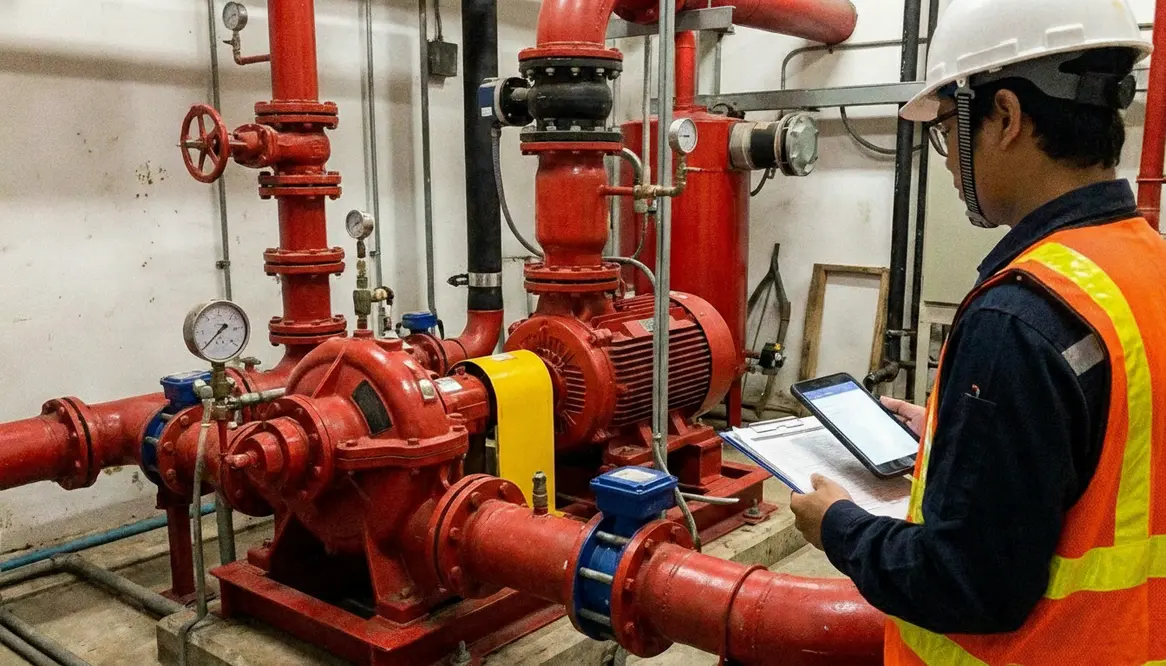
Fire Pump Approval Guide for Global Buyers
Fire Pump Equipment Approval Guide for Global Buyers
I have seen enough buyers walk into this process like it is a side quest in a video game, and then wonder why the fire pump does not fit the job. That is why fire pump approval matters so much. It protects commercial and industrial facilities, plus major property buildings, from costly mistakes, code issues, and weak system performance. If I buy the wrong pump, I do not just lose money. I also risk safety, delays, and a very awkward conversation with every stakeholder in the room.
In this guide, I will break down what I check, what matters most, and how I move from product choice to accepted equipment with fewer surprises. I will keep it practical, because approval should not feel like reading a dusty legal scroll from the Middle Ages.
Why this approval step deserves real attention
Approval is where equipment, paperwork, and local rules collide. Handle it well, and the project moves. Handle it badly, and the pump turns into a very expensive conversation piece while deadlines drift away.
How I check if a fire pump is approved for my project
Step 1: Match the pump to standards and code
First, I confirm which standard applies to the project. For most commercial and industrial sites, I look at local code, the authority having jurisdiction, and the project spec. Then I match the pump, driver, controller, and accessories to those rules. This step saves time later, because a pump can look perfect on paper and still fail approval if the paperwork is off.
Step 2: Verify listing, certification, and data
Next, I verify the listing and certification documents. I check the pump curve, materials, speed, power source, and test data. I also make sure the nameplate details match the submitted records. If anything feels fuzzy, I ask for it in writing. Clean documents make approval smoother, while vague ones invite trouble. And trouble, as we all know, has a talent for showing up uninvited.
What documents I request before I place an order
I always ask for the core approval package before I sign anything. That package usually includes product listings, performance test reports, dimensional drawings, and controller data. I also want quality records and factory inspection details when available. If the project is for a tall building, warehouse, factory, or other large property, I pay even closer attention to compliance details.
Document checklist for approval
- Listing or certification proof
- Pump performance curve
- Driver and controller data
- Material specs for casing, shaft, and impeller
- Factory test reports
- Dimensional drawings
- Warranty terms
Then I compare those files against the project requirement. If the supplier cannot align the documents with the job, I pause. That pause can save weeks. Sometimes the smartest move is the one that makes everybody mildly impatient. I can live with that.
What I look for in a supplier and factory
I do not buy based on a polished brochure alone. I want a supplier that understands compliance, export rules, and commercial scale projects. I also want a factory that can prove control over parts, assembly, and testing. If they cannot show a clean process, I start asking harder questions.
Supplier side
- Can they support global standards?
- Do they answer technical questions fast?
- Do they offer full document support?
Factory side
- Do they test each unit properly?
- Do they trace major components?
- Do they keep records for audits?
When I review both sides together, I get a clearer picture. That matters because fire pump approval is not only about the pump itself. It also depends on the people, systems, and controls behind it. In other words, the machine is only as solid as the team that built and verified it.
How I handle fire pump approval across regions
Global buying gets tricky when one project crosses borders or uses imported equipment. Different regions may ask for different proof, and some authorities want extra detail before they sign off. So I plan for that early. I never assume one approval set works everywhere, because that is how good projects go from smooth to messy in a hurry.
I also keep the end use in focus. firepumps.org serves commercial and industrial facilities and major property buildings, so the approval path should reflect those demands. Large facilities often need higher reliability, stronger documentation, and clear test history. Therefore, I match the approval package to the real risk of the site, not just the price tag.
If I need more guidance, I use a trusted reference like fire pump approval standards for commercial facilities to compare requirements and make sure my documents stay aligned with project needs. That extra check keeps the whole fire pump approval process grounded in real risk instead of guesswork.
Common mistakes I avoid before final sign off
I have seen buyers rush the process, and the same errors keep popping up. So I try to stay ahead of them.
- Buying before checking local code
- Accepting incomplete test reports
- Ignoring controller compatibility
- Overlooking dimensions and layout limits
- Forgetting about maintenance access
Also, I never treat approval as a one time event. I see it as part of the full project cycle. The pump must fit the site, meet the code, and support long term service. Otherwise, the system becomes a very expensive piece of industrial decor. Nobody wants that. Not even on a Tuesday.
FAQ
Conclusion
I treat fire pump approval as a business decision, a safety step, and a project saver all at once. If I want smoother buying, fewer delays, and better confidence at handoff, I need the right documents, the right supplier, and the right regional fit. So I invite you to review your next project with a sharper eye, ask for complete proof, and choose equipment that truly supports the site. That is how I buy smart and stay ready.