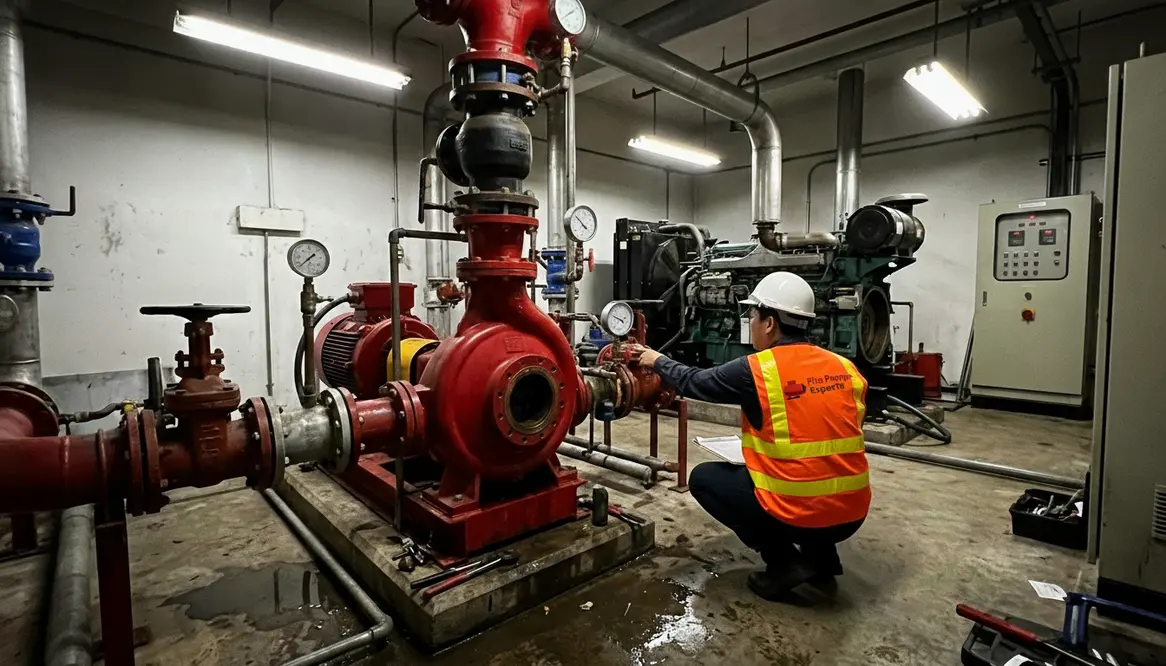
Fire Pump Design Mistakes Across Global Codes
I have seen fire pump projects look perfect on paper and then stumble in the field. That happens because fire pump codes do not always read the same way across regions, and a design that works in one place can fail in another. For commercial and industrial facilities, and for major property buildings, the stakes stay high. One missed detail can slow water delivery, break compliance, or create a very expensive do over. So, I want to walk through the most common mistakes I see, why they happen, and how I would avoid them without turning the whole thing into a courtroom drama worthy of a streaming series.
Why code differences create design trouble
First, I have to say this plainly: global fire pump codes do not all speak the same language. Some lean hard on performance, while others put more weight on prescriptive rules. As a result, engineers can assume a pump setup that passes in one country will pass everywhere else. It will not. That is where trouble starts.
For example, suction conditions, pump sizing, and acceptance test rules can vary in small but costly ways. Therefore, I always compare the local authority rules with the project standard before I size anything. If I skip that step, I may build a system that looks solid and still misses the mark. That is the fire protection version of wearing a tuxedo to a mud run.
Common fire pump design errors I see in commercial sites
Here is where most projects slip.
Dual column view
- Undersized suction supply
- Wrong pump selection for the hazard
- Poor room layout and access
- Weak power backup planning
What that causes
- Loss of pressure during demand
- Water flow below code need
- Trouble with service and testing
- Failure during utility loss
Once I clear that fog, the pattern becomes obvious. Many teams focus on the pump itself and forget the full system. However, a fire pump lives inside a chain of tanks, valves, controllers, power sources, and piping. If one link weakens, the whole setup feels it. I have also seen teams place the pump room in a bad spot just because it fit the building plan. That is like hiding the hero behind the curtain and then wondering why the show flopped.
How I check code gaps before design starts
System checks before sizing the pump
Before I trust a design, I compare several things at once. I look at water supply, duty point, backup power, room size, ventilation, drainage, and test flow paths. Then I check each item against the local code set and the project standard. This step matters even more for major property buildings and industrial plants, where demand can rise fast and downtime can cost real money.
Beyond minimum fire pump codes
I also ask a simple question: Will this system still work when the building is under stress? If the answer feels shaky, I keep digging. In many regions, codes may allow a certain pump arrangement, but the site conditions still make it a poor choice. So, I do not stop at minimum compliance. I aim for a design that works in the real world, not just in a PDF.
What global fire pump codes often miss in the field
Even when a design meets the book, the field can expose weak points. I often see these issues:
- First, long suction piping creates extra loss and starves the pump.
- Second, poor controller placement makes testing awkward.
- Third, weak power coordination leaves the fire pump vulnerable during an outage.
- Fourth, inconsistent local review creates a delay that no one budgeted for. And yes, the budget always acts shocked, as if surprises are not the whole plot of construction.
In many cases, international projects also face mixed expectations from owners, consultants, and local fire officials. Therefore, I recommend a single code matrix early in the project. That matrix should show the rule source, the design choice, and the review status. It sounds simple, but it saves time and keeps everyone from arguing like it is the final episode of a reality show.
How I reduce risk on industrial and major property projects
Treating fire protection as a system
I reduce risk by treating fire pump design as a system job, not a parts job. I confirm the hazard class first. Then I size the pump, check the water source, confirm the electric or diesel backup plan, and review the pump room conditions. After that, I test the logic against the code set in the target region and make sure it lines up with the right fire pump codes for that jurisdiction.
Designing for service and long-term reliability
I also bring in service and maintenance needs early. A pump that cannot be tested or repaired easily will cause pain later. Therefore, I plan for access, clear labels, and room for inspection. That approach helps the owner, the fire team, and the people who will keep the system ready for the long haul. It also keeps the intent of fire pump codes aligned with what actually happens ten years after the system goes live.
Using global guidance without losing local context
If you want a strong technical baseline, I also suggest reviewing fire pump design guidance for commercial and industrial facilities alongside the local code review. It helps keep the project grounded in practical work, not guesswork, and it highlights where local fire pump codes add or change expectations you might be used to in other regions.
Making different fire pump codes work together
On global projects, the real art sits in blending standards without watering them down. Owners may prefer one reference standard, consultants may be used to another, and the local authority may enforce a third. Instead of guessing which one will win, I build a clear comparison that shows which fire pump codes apply to each part of the system and where the strictest rule sets the bar. This avoids last-minute redesigns and keeps the discussion focused on risk and performance instead of personal preference.
FAQ
Conclusion
If you are planning a fire pump system for a commercial or industrial facility, do not let code gaps sneak up on you. I can help you catch design mistakes early, compare the right code paths, and build a system that works when it matters most. Reach out, review the details, and make the next project cleaner, safer, and far less dramatic than the last one.