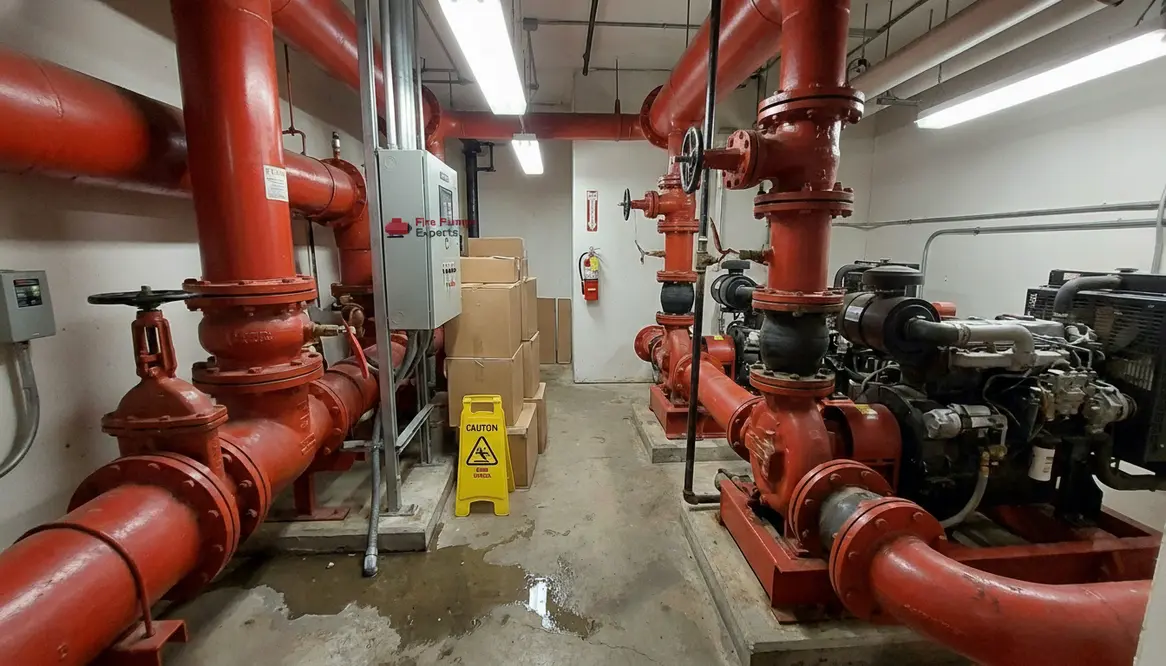
Fire Pump Room Design Mistakes Across Global Codes
When I look at fire pump codes across the world, I see one truth that never changes: a fire pump room can fail before the pump even starts. That sounds dramatic, I know, but it is also painfully common. In commercial and industrial facilities, and in major property buildings, small design mistakes can turn a compliant looking room into a problem during the exact moment it matters most. I have seen rooms that pass a quick glance, yet miss basic code intent. So, let’s walk through the mistakes, the code traps, and the design gaps that keep showing up from one region to the next.
Most errors begin with one simple habit: people copy a layout without checking the local code path. A design that works under one standard may fail under another, because fire pump codes do not all treat access, ventilation, power, or drainage the same way. Some teams also assume that “more room” solves everything. It does not. A giant room with the wrong setup can still fail inspection, and that is a very expensive way to learn humility.
Another common issue comes from early planning. Architects, MEP teams, and contractors often work in silos. As a result, the pump room ends up squeezed into leftover space, which is like trying to park a battleship in a garage built for a bicycle. The pump may fit, but maintenance, testing, and emergency access suffer. Therefore, I always treat the room as part of the life safety system, not as a spare closet with a louder machine inside.
Why fire pump room mistakes happen under global codes
Most errors begin with one simple habit: people copy a layout without checking the local code path. A design that works under one standard may fail under another, because fire pump codes do not all treat access, ventilation, power, or drainage the same way. Some teams also assume that “more room” solves everything. It does not. A giant room with the wrong setup can still fail inspection, and that is a very expensive way to learn humility.
Another common issue comes from early planning. Architects, MEP teams, and contractors often work in silos. As a result, the pump room ends up squeezed into leftover space, which is like trying to park a battleship in a garage built for a bicycle. The pump may fit, but maintenance, testing, and emergency access suffer. Therefore, I always treat the room as part of the life safety system, not as a spare closet with a louder machine inside.
Common fire pump room design mistakes I keep seeing
1. Poor access for crews and service work
Many rooms have a door, but not a real path for service tools, replacement parts, or testing equipment. In some cases, the entry route forces crews to turn corners too tightly or move through areas that stay locked during off hours. That slows response and makes routine work harder than it should be.
2. Weak ventilation and heat control
Pumps and drivers create heat, and heat does not care about good intentions. If the room cannot shed that heat, equipment life drops fast. Moreover, some layouts place vents where they short circuit airflow, so fresh air enters and exits before doing any useful work. That is the HVAC version of a plot twist nobody asked for.
3. Bad drainage planning
Water will always find the lowest point. If the room lacks proper drainage or the floor slope sends water toward critical gear, trouble follows. I have seen rooms where a test line, a seal leak, or a sprinkler event left standing water around controls. That is a clean way to ruin a very expensive day.
4. Electrical and control gear placed too close to risk
Some designs crowd electrical panels, controllers, and transfer equipment into the same wet or high heat zone. This creates avoidable exposure. In addition, poor separation can make troubleshooting harder during a fire event, when every minute counts and nobody wants a treasure hunt beside a pump skid.
5. Ignoring maintenance clearances
Teams often design only for installation. Then, after start up, they discover they cannot remove a coupling guard, change a valve, or service the driver without a full room shuffle. Global codes may vary, but maintenance access remains a core design need everywhere.
Here are the mistakes that show up again and again in commercial and industrial projects: poor access, weak ventilation, bad drainage, crowded electrical gear, and ignored service clearances. Together, they turn well-intended fire pump codes into paper shields when the system should be at its strongest.
How global fire pump codes differ in real projects
Below is a simple way I compare the main design pressures across regions when I review fire pump codes for major facilities:
Regional focus
North America
More detail on room protection, access, power reliability, and fire resistance expectations
Europe
Strong focus on system integration, room safety, and local authority approval paths
What usually changes
Middle East and Asia
More variation by authority, plus strong attention to heat, redundancy, and site conditions
Global projects
More need for careful coordination, because one standard rarely covers every local rule
That table may look simple, but the lesson is not. A global project needs code mapping from day one. Otherwise, the design team may build a room that looks acceptable in one review and fails in the next. And yes, that is the kind of surprise nobody wants after procurement has already spent the money.
What I check before I approve a fire pump room concept
When I review a pump room for a commercial or industrial property, I focus on a few practical items first:
- Clear access for staff, inspectors, and emergency crews
- Room size that supports real maintenance, not just equipment placement
- Ventilation that manages heat under normal and emergency conditions
- Drainage that keeps water away from controls and power gear
- Separate, protected placement of electrical and control equipment
- Space for testing, isolation, and future replacement work
Then I look at the local authority requirements and compare them with the owner’s standards. That step matters because many sites use one corporate template across several countries. It saves time, sure, but it can also create hidden code gaps if nobody adapts it. I call that the “same suit, wrong size” problem.
How I avoid these mistakes on commercial and industrial sites
I start with the room as part of a system, not as a box on a plan. Next, I coordinate early with the fire protection designer, mechanical engineer, electrical engineer, and owner rep. Then I confirm the local code path before the room layout hardens into steel and concrete. I also check testing access, because a room that works on paper but fails during maintenance is still a weak room.
Finally, I keep future growth in mind. Many major properties expand, change processes, or add new loads. Therefore, I leave enough room for service, upgrades, and practical movement. That small bit of foresight can save a long list of headaches later. When in doubt, I cross-check local fire pump codes with recognized guidance from resources such as https://firepumps.org and align the layout with what the authority expects to see long before anyone pours concrete.
FAQ for fire pump room design
Conclusion
If you want your fire pump room to pass review and perform when it matters, start with code, not assumptions. I recommend treating each project as a fresh design check, especially on commercial and industrial sites with complex authority rules. For a deeper review, compare your layout against trusted guidance and bring in a specialist early. If you are ready to strengthen your next project, now is the time to audit the room before the concrete hardens and the regrets begin. Above all, keep your core fire pump codes visible from the first sketch to the final inspection, and you will avoid many of the painful surprises that keep showing up in projects around the world.