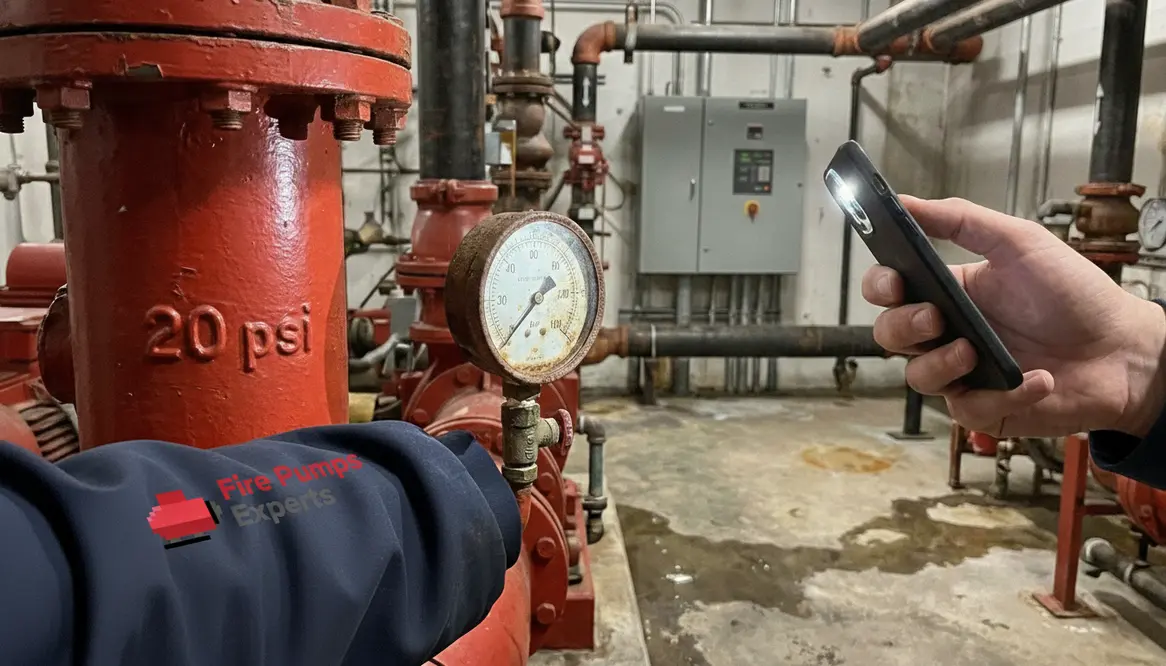
Fire Pump Water Supply Mistakes in Global Codes
Fire Pump Water Supply Mistakes Across Global Codes
I have seen one truth hold steady across every region and every code set: a fire pump is only as good as the water that feeds it. That sounds simple, yet the mistakes around supply design keep showing up in commercial and industrial facilities, tall property buildings, and large campuses. In the world of fire pump codes, the same errors repeat from one project to the next, and they can turn a solid system into a very expensive paperweight. Nobody wants that kind of drama. Not in a plant. Not in a tower. Not when the real fire does not care about our neat drawings or our confident meetings.
So, I am going to walk through the biggest water supply mistakes I see across global standards, explain why they happen, and show how I approach them in the real world. The goal is simple: better compliance, better performance, and fewer surprises when the pump finally has to do its job.
Why water supply mistakes keep repeating
Across global projects, the pattern is familiar: the pump room looks impressive, the drawings look precise, and the water supply story is held together with guesswork and optimism. Fire pump failures in testing almost always trace back to the source, not the shiny equipment on the floor.
If the source is weak, neglected, or misunderstood, even strict fire pump codes will not save the design. That is where most of the surprising and very expensive lessons begin.
Why water supply mistakes happen in fire pump codes
The first problem is usually not the pump itself. It is the assumption behind it. Many teams treat water supply like a side note, when in fact it drives the whole system. Across global fire pump codes, I keep seeing the same blind spots: low flow demand, poor pressure estimates, weak utility data, and a little too much faith in “it should be fine.” That phrase belongs in a sitcom, not a life safety design.
Codes may differ by country, region, or authority, but they all ask the same basic question: can the supply support the pump under real fire conditions? If the answer depends on wishful thinking, then the design already has a problem. I always start with the source, because once the supply fails, every other part of the system starts slipping too.
Fast reality check
- Are you using current, verified flow and pressure data?
- Have seasonal and peak-use conditions been factored in?
- Does the supply still make sense after the last expansion or renovation?
- Would the numbers still hold up if the friendliest assumptions were removed?
How I spot bad water supply assumptions early
Reading the warning signs in the design
I look for signs that the design team built the system around a guess instead of data. For example, a project may use outdated flow tests, ignore seasonal pressure loss, or rely on a municipal main that looks strong on paper but weak at peak demand. In industrial sites, process water use can also pull from the same source, which means the fire pump may arrive late to a very crowded party.
Red flags that demand a second look
- Old flow test data that no longer matches site conditions
- Pump sizing based on best case pressure instead of real pressure
- Private tank volume that ignores refill time
- Utility supply reports with no margin for demand spikes
- Changes in site use that were never added to the design
Once I see one of these, I slow down and verify the source again. That extra hour can save weeks of rework later.
Common global code gaps in commercial and industrial sites
Different regions use different rules, yet the mistakes stay oddly consistent. One major gap is mismatched design intent. A code may require one minimum condition, while the owner expects the system to protect a far larger hazard. That gap grows fast in warehouses, logistics hubs, data centers, and high rise buildings.
Where projects often go wrong vs. what I check
Problem
Using a utility supply that looks adequate only during low use hours
Ignoring suction loss in long pipe runs or complex site layouts
Assuming a tank will refill fast enough without proof
What I verify
Peak demand pressure and flow, not just calm hour readings
Actual pipe friction, elevation change, and valve loss
Refill rate, reserve duration, and any shared demand on the source
These checks matter because fire pump codes do not reward optimism. They reward proof. And proof usually arrives with test data, field review, and a design that respects the worst case, not the easiest one.
What happens when suction supply falls short
When suction supply drops below what the pump needs, the system may cavitate, lose pressure, or fail to deliver rated flow. That is not a small issue. That is the fire protection version of a lead actor forgetting his lines during the final scene. The audience notices.
I have seen facilities install a strong pump, then connect it to a weak supply line, a restrictive tank outlet, or a source with poor replenishment. The pump can only work with what it receives. So, I always check for the full chain: source, storage, suction piping, valves, and all the parts between the supply and the pump room. If one link is weak, the whole chain squeaks.
Also, I never ignore maintenance. A source that worked during commissioning may not work years later. Sediment, corrosion, valve damage, and changed site loads can all affect water supply. That is why ongoing review matters just as much as the original design.
How I align designs with multiple code sets
Picking the strictest path and proving it works
When a project must satisfy more than one code set, I avoid the trap of picking the easiest rule and hoping no one notices. Instead, I compare the strictest water supply demand, then I check whether the site can truly support it. This approach helps on international projects, large industrial plants, and major property buildings with mixed ownership or phased work.
I also recommend using a qualified review early, especially when the site has unusual demand, shared utilities, or a private water source. If you want a deeper reference on planning and system review, I suggest fire pump compliance guidance for commercial and industrial facilities. A solid review at the start is cheaper than a redesign after the inspector raises an eyebrow and the contractor starts doing that silent stare into the middle distance.
Why water supply is where strong designs win
The more complex the facility, the more the water supply becomes the quiet backbone of the whole strategy. Good fire pump codes can guide the numbers, but only a clear look at the real site conditions will confirm whether those numbers mean anything. Municipal shifts, new processes, added loads, and forgotten valves can all undercut a system that looked perfect on the original submittal.
In every review, I return to the same core questions: does the source deliver enough, long enough, and reliably enough for the actual fire scenario the site will face? If any of those answers feels like a guess, the design is not finished.
FAQ
Conclusion
If you manage a commercial or industrial property, or a major building with serious fire protection needs, now is the time to check your water supply with fresh eyes. I urge you to verify the source, test the numbers, and compare the design against the real site conditions before trouble shows up uninvited. Strong fire pump codes compliance starts with honest data, careful review, and a system built for the worst day, not the quiet one.