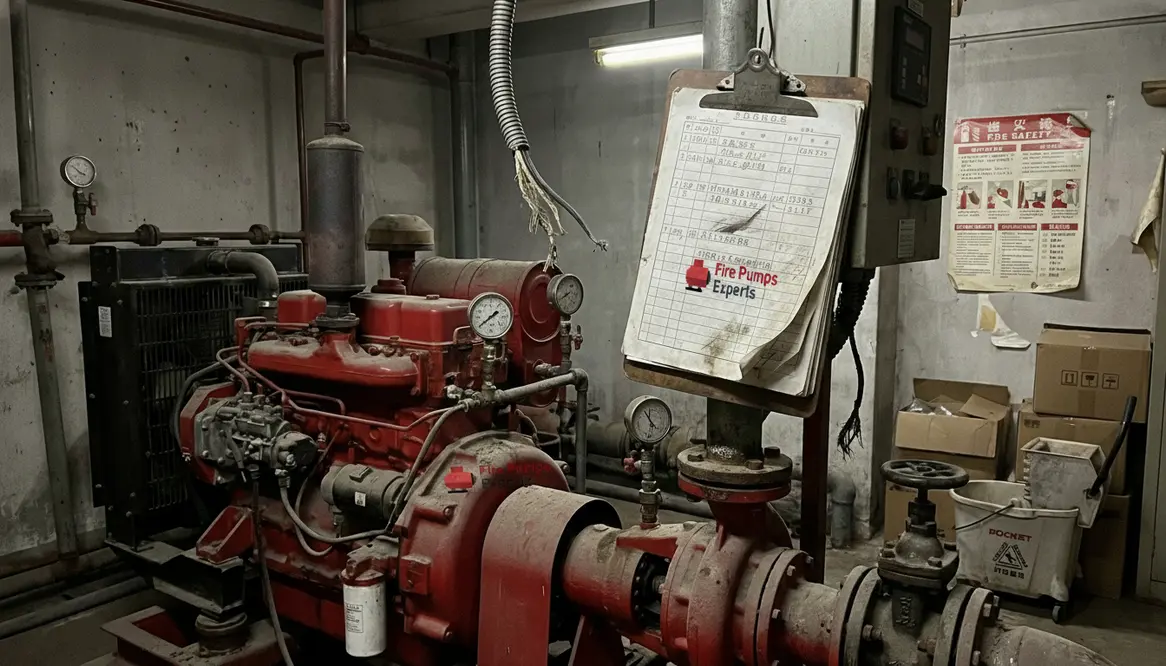
Fire Pump Standards Common Deficiencies Worldwide
Fire Pump Deficiencies Found Across International Standards
When I look at fire pump standards across the world, one thing stands out fast: the rules may change a little, but the weak spots show up again and again. For commercial and industrial facilities, that matters a lot. A fire pump is not the star of the show until the alarm goes off, and then it becomes the whole cast. So, if the system has hidden flaws, the building pays the price. In this article, I break down the most common deficiencies I see across international codes and explain why they keep appearing, even where the paperwork looks tidy on the surface.
Why fire pump standards often miss the same flaws
Across NFPA, EN, ISO, and other global codes, the intent is clear: deliver reliable water when the fire protection system needs it most. However, I often find that compliance on paper does not always match real world readiness. A pump room can look clean, the logs can look complete, and still the system can fail when demand rises. That is the part nobody likes to talk about at the board meeting.
In many major properties, the gap starts with poor interpretation. One team reads the standard one way, another team reads it another way, and the result is a system that sits in the middle like a sitcom character trying to please everyone. In practice, that means missed tests, weak suction supply, bad controller settings, or a pump that has not been checked under true operating load.
Common deficiencies I find in commercial and industrial facilities
1. Incomplete flow testing
Many sites test the pump, but not at the right flow or pressure points. As a result, they miss performance drops that only show up under stress. That gap leaves a system that looks fine during a quick check but comes up short when the sprinkler demand peaks.
2. Bad suction conditions
A pump can have the right horsepower and still struggle if the water source, piping layout, or valve position causes trouble. Gravity, friction, and air pockets do not care about good intentions. Poor suction creates cavitation, vibration, and early wear that no one spots until the pump is noisy, leaking, or underperforming.
3. Weak maintenance records
Some facilities keep logs, but the logs do not prove the system stayed within fire pump standards. If the paperwork says “checked,” but the data says otherwise, the pump will not get a gold star. Missing pressures, flows, and times mean no one can see performance drift over months or years.
4. Electrical control failures
Controllers, transfer switches, and power supply issues often hide until an emergency. Then they appear like a plot twist nobody asked for. Undersized generators, failed batteries, or incorrect automatic start settings all turn a strong mechanical pump into a silent anchor.
5. Poor room conditions
Heat, moisture, blocked access, and bad ventilation all hurt pump reliability. A fire pump room should support the equipment, not slowly roast it like a slow cooked bad idea. When the room doubles as storage, cable tray, or mechanical junkyard, the odds of a clean response drop fast.
International standard gaps I see in real life
Here is where the differences between fire pump standards matter. Some systems focus hard on installation details, while others put more weight on testing frequency or component design. That sounds fine in theory. Yet, in real buildings, the gaps usually appear in the same places, especially around documentation, long-term maintenance, and integration with the rest of the fire protection strategy.
Sites that follow one standard tightly still run into trouble when equipment is replaced with “equivalent” parts that do not quite match the original listing, or when a retrofit project changes flows and pressures without updating the pump review. The label on the wall may say the right code, but the hardware in the room tells a different story.
Dual view: what the standards say versus what fails on site
What the standards expect
In one column, the standards demand proper capacity, stable suction, dependable control, and documented testing. The language in fire pump standards is very clear about required flows, minimum pressures, acceptable voltage drops, and supervision of critical valves and alarms.
What fails in practice
In the other column, the site reality often shows old valves, loose wiring, clogged strainers, and a pump room used as a storage closet. That is not a design strategy. That is just a place waiting for trouble. Acceptance tests may have been thorough on day one, but follow-through fades and shortcuts start to creep in.
International codes also differ on acceptance testing, supervision, and inspection intervals. Because of that, global owners often think one local check covers every risk. It does not. A building with multiple locations needs one clear program that ties the rules together, especially when each site follows a different rulebook and the corporate risk team still expects the same performance.
One helpful step is to benchmark sites against a consistent set of fire pump standards drawn from the strongest elements of NFPA, EN, and ISO, then layer local requirements on top. That shifts the question from “Are we minimally compliant?” to “Can this pump perform under our worst realistic fire scenario?”
How I identify hidden fire pump problems before they grow
First, I start with the water source. If the supply cannot deliver stable pressure and volume, the rest of the system stands on weak ground. Then I review the pump curve, controller settings, relief arrangements, and alarm history. After that, I check whether staff know how the system behaves during a real event, because a pump is only as useful as the people who can support it.
Next, I look for signs of wear that standards often mention, but teams sometimes ignore. Vibration, leaks, rust, seal damage, and abnormal noise can all point to deeper trouble. Also, I compare current test results with past results. Trends tell a better story than a single report ever can. One good reading is nice. A pattern is gold.
I also review how the fire pump interfaces with the rest of the protection infrastructure: tanks, sprinklers, monitors, and detection systems. A perfectly tuned pump still fails the mission if a control valve is locked in the wrong position or if the notification side is so weak that the fire brigade never gets timely, clear information.
Why these deficiencies matter for risk and uptime
For commercial and industrial facilities, a failed fire pump can lead to more than code trouble. It can delay fire response, raise insurance concerns, and trigger costly shutdowns. In a major property, that kind of delay can spread fast across tenants, operations, and critical assets. In short, the pump is not just a box with a motor. It is part of business continuity.
When I help a site review its fire protection program, I always push for better alignment between design, testing, and maintenance. That matters because fire pump standards work best when people treat them as living rules, not shelf décor. If the system only gets attention during an audit, the risk will keep whispering in the walls.
Owners who take a structured, international approach usually see better uptime and fewer surprises during external inspections. They tie their internal guidelines to references like https://firepumps.org, then implement clear procedures for weekly, monthly, and annual checks that verify performance rather than just ticking boxes.
Practical steps for stronger fire pump performance
- Build a single global checklist that aligns with your chosen fire pump standards and applies across all locations.
- Verify that each pump can actually hit its rated flow and pressure at 100%, 150%, and churn conditions, not just “close enough.”
- Train operating staff to recognize early warning signs: new noises, longer start times, pressure dips, or frequent controller alarms.
- Audit pump rooms for housekeeping, temperature control, drainage, lighting, and clear access to valves and controllers.
- Track test data in a form that makes trends obvious, not buried in scattered logbooks.
FAQ
Conclusion
If you manage a commercial or industrial facility, do not wait for a failed test to expose weak points in your fire pump system. I recommend a full review of your equipment, records, and operating conditions against current fire pump standards. That way, you can catch the gaps before they become damage, downtime, or worse. If you want a clearer path to compliance and stronger protection, now is the time to act and tighten the system from source to discharge.