Fire Pump Diesel vs Electric Maintenance Australia
How your fire pump driver choice quietly sets your maintenance workload, repair frequency, and stress levels across Australian facilities.
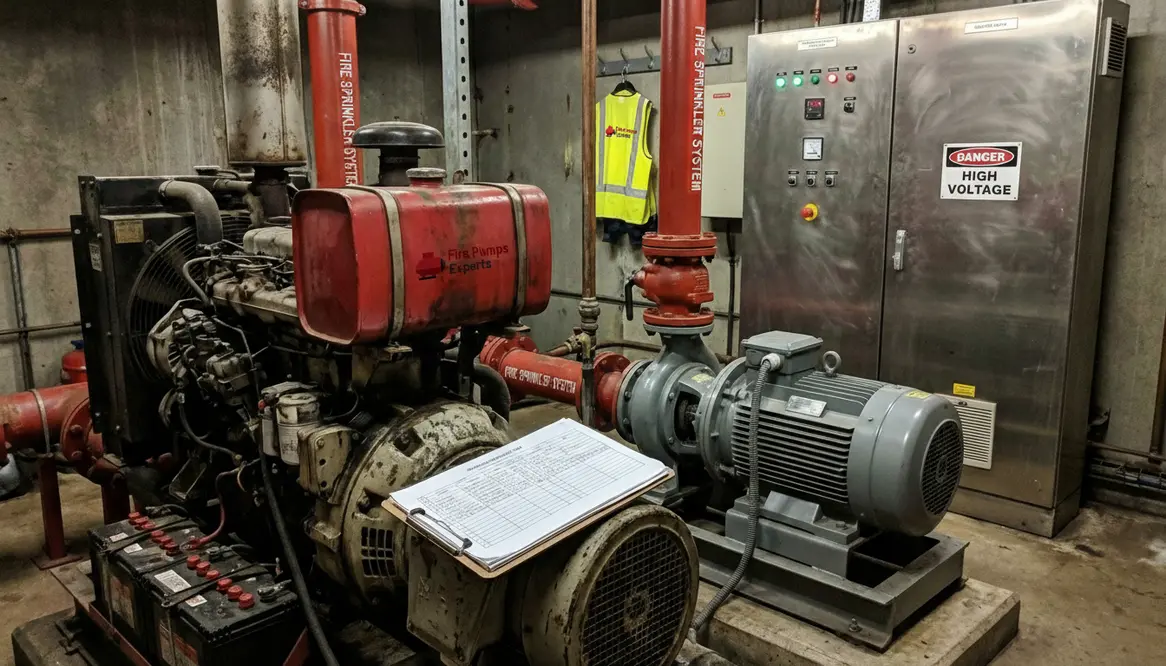
I have spent enough time around pump rooms to know this truth. The driver behind your fire pump quietly decides how often you will be called back for repairs. In Australia, where compliance is strict and downtime is not an option, that choice matters more than most people think. When I talk about fire pump diesel vs electric maintenance Australia, I am not stirring up a rivalry. I am pointing out a practical reality. Each driver type writes its own maintenance story, and if you listen closely, it tells you exactly how often something will go wrong.
So let’s walk through it together, calmly, clearly, and with just enough humour to keep us awake. After all, nothing says excitement like preventative maintenance schedules.
What actually drives repair frequency in fire pump systems?
First, let me answer the question I hear most from facility managers. What really determines how often repairs happen? It comes down to moving parts, environmental exposure, and how often the system runs.
Diesel drivers, for example, behave more like a hardworking ute. They are tough, independent, and always ready for action. However, they demand regular attention. Oil changes, fuel quality checks, battery health, and cooling systems all play a role. Therefore, more components mean more opportunities for wear.
Electric drivers, on the other hand, are like that quiet office worker who never complains. Fewer moving parts means fewer breakdown points. However, they depend entirely on a stable power supply. So while they may need less frequent servicing, failures can still occur if electrical systems are neglected.
In commercial and industrial facilities across Australia, I have seen both types perform well. Yet, the difference in repair frequency always comes back to complexity versus dependency.
Diesel fire pump drivers and repair cycles in Australia
Now, let’s talk diesel. These systems shine during power outages, which is exactly why so many large properties rely on them. However, reliability does not mean low maintenance. In fact, it often means the opposite.
Because diesel engines run like small industrial machines, they require consistent servicing. Fuel can degrade over time, especially in warmer climates. Batteries can fail when you least expect it. And yes, cooling systems can clog up like a kitchen sink after a long weekend.
As a result, repair frequency tends to increase when routine maintenance slips. I have seen facilities push service intervals, only to face costly repairs later. It is a bit like ignoring a check engine light. It does not end well.
Still, when maintained properly, diesel drivers offer unmatched resilience. They are the action heroes of fire protection systems. Think Mad Max, but with fewer explosions and more compliance paperwork.
Electric fire pump drivers and maintenance patterns
Electric drivers tell a different story. They are simpler, cleaner, and generally easier to maintain. Because they have fewer mechanical components, they experience less wear and tear. Therefore, repair frequency is often lower.
However, simplicity comes with its own risks. Electrical faults, controller issues, and power supply instability can all trigger failures. In Australia, where industrial facilities often operate under heavy loads, electrical infrastructure becomes critical.
So while you may not be changing oil or filters, you still need regular inspections. Control panels, wiring integrity, and backup systems must all be checked. Otherwise, that quiet and reliable system can surprise you at the worst possible moment.
In the ongoing discussion around fire pump diesel vs electric maintenance Australia, this is where electric systems quietly make their case. Less frequent repairs, but only when supported by strong electrical systems.
Side by side comparison of repair triggers
Diesel drivers
- Higher number of moving parts
- Fuel degradation risks
- Battery and cooling system wear
- More frequent servicing required
- Independent of power supply
Electric drivers
- Fewer mechanical components
- Lower routine wear and tear
- Dependence on electrical stability
- Less frequent but sometimes sudden faults
- Cleaner operation overall
When I lay it out like this, the pattern becomes clear. Diesel systems demand steady attention, while electric systems demand strong infrastructure. Pick your challenge.
Choosing the right driver for commercial and industrial sites
In large facilities, the decision is rarely simple. I always consider the building’s risk profile, operational demands, and existing infrastructure.
If the site cannot tolerate power interruptions, diesel becomes the safer choice. However, that decision comes with a commitment to regular servicing. Skipping maintenance is not an option.
On the other hand, facilities with reliable power and strong electrical systems often benefit from electric drivers. They reduce ongoing maintenance workload and simplify operations. Yet, they still require disciplined inspections to avoid hidden faults.
Ultimately, the choice between driver types is not about which one is better. It is about which one aligns with your facility’s realities. Like choosing between coffee and tea, both work. One just keeps you up at night a little more.
If you are weighing up fire pump diesel vs electric maintenance Australia decisions for a new or existing site, it pays to map out your power resilience, service capability, and compliance obligations before locking anything in.
FAQ: Fire pump driver maintenance in Australia
Final thoughts and next steps
Choosing between diesel and electric drivers is not just a technical decision. It is a long term maintenance strategy. If you want fewer surprises, align your choice with how your facility actually operates. And if you want systems that perform when it matters most, invest in proper servicing from day one. Work with specialists who understand commercial and industrial demands in Australia, and you will spend less time fixing problems and more time preventing them.
When you weigh up fire pump diesel vs electric maintenance Australia wide, remember that the “right” answer is the one that fits your risk appetite, energy security, and maintenance discipline. A perfectly chosen driver with poor servicing will still fail you; an average choice with excellent maintenance will usually save the day.
If you are planning upgrades, new builds, or compliance reviews, make your next step a structured maintenance plan that matches your driver type. That is where reliability, cost control, and peace of mind finally line up.