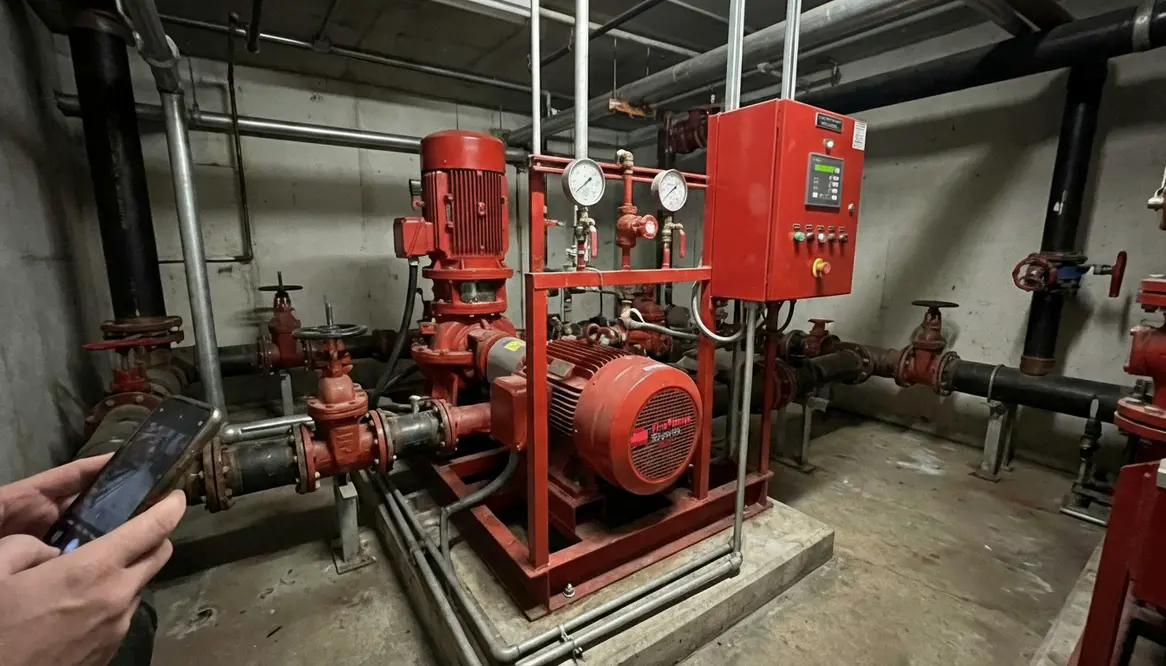
Fire Pump EN 12845 Requirements Europe Guide
I have spent years around fire protection systems, and if there is one thing I have learned, it is this: when a fire starts, there is no time for debate, only performance. That is where fire pump EN 12845 requirements Europe come into play. These standards are not just paperwork or polite suggestions. They define how commercial and industrial buildings across Europe keep water moving when everything else is falling apart. And yes, while it may not sound as thrilling as a blockbuster movie, trust me, when a pump fails, the drama escalates quickly.
So, let me walk you through what actually matters, why it matters, and where people often get it wrong.
Understanding Fire Pump EN 12845 Requirements Europe in Real Terms
First, I like to strip away the jargon. EN 12845 is a European standard that governs automatic sprinkler systems, and within it, fire pumps play a starring role. Not a cameo. A full lead role.
These requirements ensure that pumps deliver consistent pressure and flow, even under worst case scenarios. In commercial buildings, think data centers, logistics hubs, or high rise offices, demand is not optional. It is predictable and must be met without hesitation.
Moreover, the standard defines pump types, redundancy levels, and installation practices. You cannot just install a pump and hope for the best. That approach belongs in a sitcom, not in life safety engineering.
What Makes a Compliant Fire Pump System Actually Work?
I often get asked this, and the answer is both simple and layered.
Power supply reliability
Power supply reliability comes first. EN 12845 expects either a highly reliable electrical source or a diesel driven backup. Why? Because fires have terrible timing. They rarely wait for stable grid conditions.
Pump sizing and performance
Pump sizing and performance curves matter just as much. The pump must deliver required flow at specified pressures, not just at ideal conditions, but across a range of operating points. This is where many designs quietly fail on paper before they ever reach installation.
Automatic operation
Finally, automatic operation is non negotiable. The system must start without human intervention. No dramatic hero running down a corridor flipping switches. The system handles it.
Design Priorities for Commercial and Industrial Buildings
When I design or review systems for large scale facilities, I focus on how the building actually behaves during an incident.
Hydraulic demand
Large warehouses or manufacturing plants require sustained high flow. Therefore, the pump must support extended operation without overheating or performance drop.
System redundancy
In mission critical facilities, I always recommend dual pump configurations. If one fails, the other steps in. No drama. No downtime.
Water supply integration
Tanks, mains, or reservoirs must align with pump capacity. A powerful pump with insufficient water is like a sports car with no fuel. Impressive, but useless.
Control and monitoring
Modern systems include alarms, status signals, and remote monitoring. Because knowing something failed after the fire is not exactly helpful.
Installation Rules That People Love to Ignore but Should Not
Now here is where things get interesting, and occasionally frustrating.
EN 12845 clearly defines installation conditions. Pumps must sit in protected environments, typically dedicated pump rooms with fire resistance. Yet I have seen installations squeezed into corners like forgotten gym equipment.
Clear access is required for maintenance. Not optional. If a technician needs to perform routine checks, they should not have to channel their inner action hero.
Additionally, suction conditions matter more than most people think. Poor suction design leads to cavitation, and cavitation is the quiet villain of pump failure. It does not explode. It just quietly destroys performance until one day, the system underdelivers.
How Fire Pump EN 12845 Requirements Europe Shape Long Term Reliability
Here is the part that separates a compliant system from a dependable one.
The standard requires routine testing. Weekly starts, periodic flow tests, and full inspections ensure that the pump does not just exist, but performs. Because a fire pump that has not been tested is a bit like a parachute you have never opened. Technically present, but deeply concerning.
Moreover, documentation plays a major role. Records of performance, maintenance, and system changes must be kept. This is not bureaucracy for its own sake. It creates accountability and traceability.
And yes, while it may feel excessive, these requirements reduce risk in ways that only become obvious when something goes wrong.
Common Missteps I See in Commercial Projects
Even experienced teams slip up, usually in predictable ways.
Undersizing and misclassification
One frequent issue is undersizing pumps due to incorrect hazard classification. If you misjudge the fire risk, the entire system becomes inadequate.
Ignoring real world conditions
Another is ignoring real world operating conditions. Designers sometimes rely too heavily on theoretical models, forgetting that friction losses, aging infrastructure, and system expansions all affect performance.
Maintenance neglect
Then there is maintenance neglect. A perfectly designed system can degrade into unreliability if testing schedules are skipped. It is not glamorous work, but it is essential.
FAQ Quick Answers for Fire Pump Systems
Final Thoughts and Next Steps
If you are responsible for a commercial or industrial facility, this is not an area to treat lightly. The fire pump EN 12845 requirements Europe exist to remove uncertainty when it matters most. I always recommend working with specialists who understand both the letter and the spirit of the standard. If you want a system that performs under pressure, not just on paper, now is the time to review, upgrade, or validate your design.