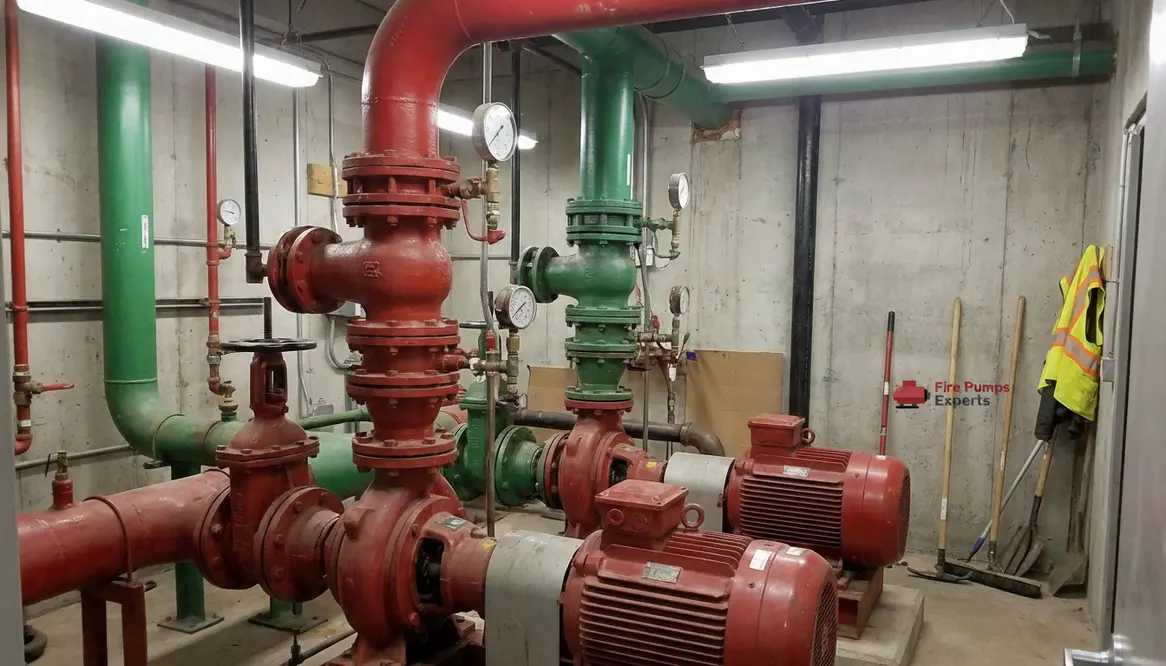
Fire Pump Failure Causes in Commercial Buildings
Understanding fire pump failure causes commercial buildings face is not optional in a city packed with high-rises, hotels, and busy warehouses. It is a key part of keeping people safe and keeping businesses open.
When I talk about fire pump failure causes commercial buildings, I am talking about a problem that can turn a calm business day into a very bad one, very fast. In Los Angeles, where large offices, warehouses, hotels, and mixed use towers rise high and stay busy, a fire pump is not a luxury. It is the muscle behind the sprinkler system. If it fails, water pressure can drop right when people need it most. And yes, that is the kind of surprise nobody wants, not even on a Monday.
A fire pump is quiet until the moment it is not. In that instant, it decides whether your sprinklers deliver a strong, steady stream or a sad, weak drizzle. Too many owners only remember the pump exists when an inspector frowns or an alarm screams.
In Los Angeles, where downtime is expensive and buildings stack people and equipment sky high, that is not a risk worth rolling the dice on. Fire pump reliability is a life safety issue and a business continuity issue rolled into one.
Why Los Angeles Buildings Depend on Fire Pumps
I like to think of a fire pump as the quiet backup singer in a classic band. You may not notice it, but without it, the whole show can wobble. In tall and spread out commercial properties, the city water supply may not deliver enough pressure on its own. That is where the pump steps in and boosts the system.
In Los Angeles, many properties face extra stress because of building height, long pipe runs, and heavy daily use. As a result, any weak point can grow into a real risk. A pump that does not start, cannot keep pressure, or leaks under load can leave parts of the building exposed. That is why I always treat fire pump care as a core life safety task, not a side chore that gets squeezed in after lunch.
Why pressure matters so much
- High-rises need pressure to push water to the upper floors.
- Long horizontal runs in warehouses eat away at usable pressure.
- Renovations and tenant changes can add more sprinkler demand over time.
- City supply can fluctuate during peak demand or other incidents.
All of that means the pump has to perform on command, under stress, with no warmup act.
Common Fire Pump Failure Causes Commercial Buildings Face
Most problems start in a few predictable places. The good news is that I can spot them early when I look at the right signs. The bad news is that these signs often hide in plain sight, like a plot twist in a streaming drama.
Electrical and control problems
Power issues cause many pump failures. If the controller loses power, the pump may not start at all. Loose wiring, bad breakers, and weak backup power can all play a role.
Controller faults matter too. A pump may be healthy, yet the controller can fail to start it when needed. That is like having a sports car with no keys. Very shiny. Very useless.
Mechanical, water supply, and human factors
Poor maintenance also leads to trouble. When crews skip tests, ignore alarms, or let small leaks slide, the pump slowly drifts out of top shape. Little problems rarely stay little. They tend to grow legs and walk into bigger problems.
Mechanical wear is another major cause. Bearings, seals, couplings, and valves wear down over time. If no one checks them, the pump may vibrate, overheat, or lose output.
Water supply problems can also trigger failure. A clogged suction line, low tank level, or blocked valve can starve the pump. It can spin hard and still fail to deliver the pressure the system needs.
Human error still appears often. Someone may leave a valve shut, set controls wrong, or miss a test reading. I have seen simple mistakes create very expensive headaches.
Two quick views that help me explain the risk
Inside the system: power, controller, pump, valves, and suction supply must all work together.
Outside the system: building use, age, code pressure, and test habits shape how often failures happen.
Signs I Watch Before A Small Problem Turns Big
When I inspect a commercial fire pump, I look for clues that tell a story before the system quits. First, I listen for odd noise. Grinding, rattling, or strong vibration usually means something inside is not happy. Next, I check pressure readings. If the numbers swing too much or do not hold steady, I want answers.
What I watch during inspections
- Unusual noise: grinding, rattling, humming, or harsh vibration.
- Pressure readings that swing or sag compared to prior tests.
- Slow starts or failed automatic start events.
- Controller alarms, warning lights, or low battery alerts.
- Visible leaks, corrosion, rust streaks, or damp spots.
- Overheating motors or components that feel too hot to touch safely.
Then I look at the controller. Warning lights, failed start signals, and low battery alerts all deserve fast action. I also pay close attention to leaks, rust, overheating, and changes in test results. A pump rarely fails out of nowhere. It usually sends little notes first, and those notes should not be ignored like unread texts from a problem.
How I Reduce Fire Pump Failure Risks In Commercial Properties
I reduce risk by keeping the process simple, steady, and documented. First, I schedule regular inspection and testing. That helps me catch weak parts before they shut down the system. Then I confirm that the pump starts, runs, and stops the way it should. I also verify valves, suction lines, power supply, and controller settings.
In Los Angeles, I recommend a routine that fits the building, not a one size fits all plan. A high rise, cold storage site, and industrial property do not age the same way. Therefore, I tailor the service plan to the property load and fire risk. I also keep records clean and current because good notes save time during inspections and help spot patterns. If the same fault appears twice, I treat it like a repeat villain in a sequel. It is coming back for a reason.
What happens after a failed test
When a pump test fails, I also look at the next steps carefully. The guide at fire pump test failed next steps for commercial properties helps show what to do after a failed test and how to move toward a fix without delay. That kind of follow up matters because the building does not care about excuses. It only cares whether the pump works.
Across all of this, the theme stays the same: understand fire pump failure causes commercial buildings are prone to, set up a realistic testing and maintenance rhythm, and treat each warning sign like a message you actually read and act on.
FAQ
Final Word For Los Angeles Property Owners
If I manage a commercial or industrial building in Los Angeles, I do not wait for a fire pump to fail before I take action. I inspect it, test it, and fix weak points before they become a crisis. That approach protects people, property, and business continuity, which is the whole point. If you want fewer surprises and stronger fire protection, now is the time to review your pump system and schedule a proper inspection today. Understand the main fire pump failure causes commercial buildings face, deal with them early, and that fire pump will stay the quiet, reliable backup singer you rarely think about but absolutely depend on.