Fire Pump Hazardous Storage Australia Guide
A practical, hard-earned look at keeping high hazard storage facilities protected when everything is on the line.
I have spent enough time around industrial facilities to know one truth that hums beneath the surface like a steady engine. When risk goes up, complacency goes down or at least it should. That is exactly where fire pump hazardous storage Australia becomes more than a technical phrase. It becomes the quiet backbone of protection in facilities that store volatile, reactive, or high value materials. In these environments, a fire is not just a fire. It is a chain reaction waiting for permission.
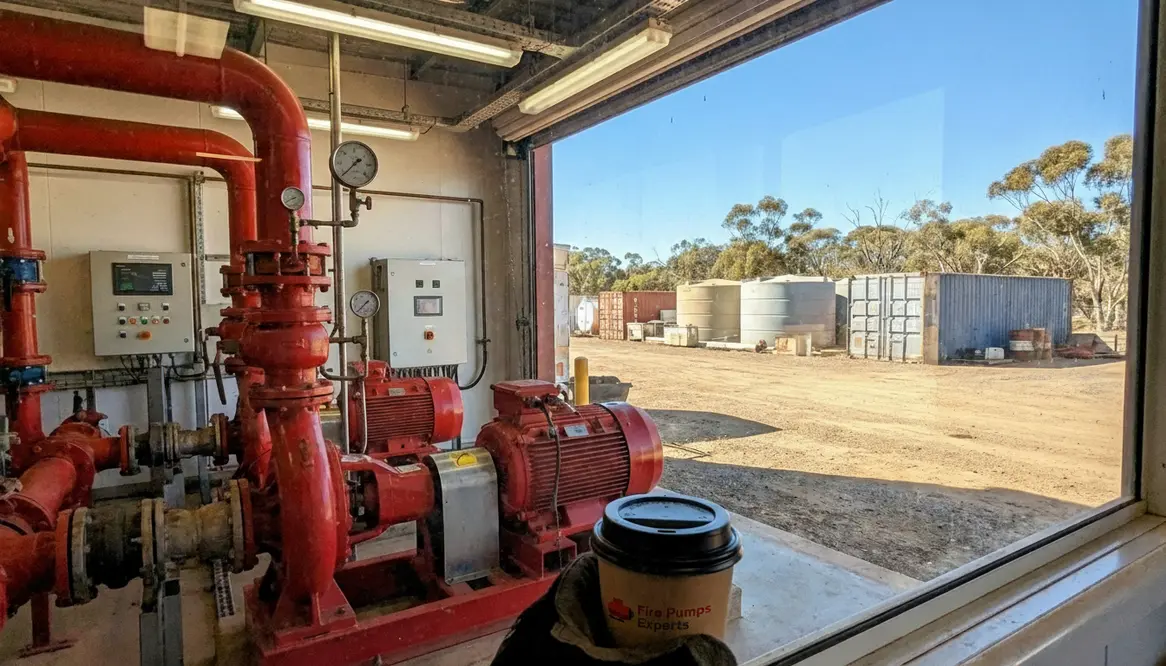
So today, I am walking you through what really matters when designing and maintaining fire pump systems in high hazard storage settings across Australia. And yes, I promise to keep this as engaging as a safety conversation can be. Think less dusty manual, more seasoned narrator with a coffee in hand.
Why this guide matters
When you combine aggressive fuels, dense storage, and strict regulations, generic fire pump advice starts to fall apart. This guide focuses squarely on fire pump hazardous storage Australia conditions, where escalation is fast and forgiveness is low.
What makes high hazard storage so demanding?
High hazard storage facilities do not play by ordinary rules. They store flammable liquids, chemicals, or densely packed goods that burn fast and hot. As a result, fire spreads quicker, heat builds faster, and suppression must respond without hesitation.
Therefore, I always approach these sites with one mindset. Assume the fire will escalate rapidly and design accordingly. In Australia, regulations reflect this reality. Standards such as AS 2419 demand robust fire pump systems that can deliver high flow rates and maintain pressure under extreme conditions.
High hazard reality check
- Fuel loads are higher.
- Combustibility is more aggressive.
- Radiant heat and smoke spread faster.
- Small design errors become big operational failures.
And let’s be honest, a basic setup here would be like bringing a garden hose to a bushfire. It might make you feel better, but it will not solve the problem.
Fire Pump Hazardous Storage Australia compliance essentials
When I design or review a system, compliance is never just a box to tick. It is the framework that keeps everything aligned and functional under stress. In high hazard environments, that framework becomes even more critical.
Core compliance pillars
- Hazard-based capacity: Pump capacity must match the hazard classification. This means calculating demand based on worst case fire scenarios, not average conditions.
- Redundancy: A single point of failure is simply not acceptable when the stakes are this high.
- Power resilience: Diesel driven pumps often step in where electrical systems may fail.
- Testing and documentation: Routine testing and accurate records are non-negotiable.
Standards in focus
In fire pump hazardous storage Australia projects, AS 2419 is the anchor, but it rarely stands alone. It interlocks with other Australian fire safety standards, insurance requirements, and sometimes global benchmarks, especially on large industrial and resources sites.
And yes, diesel pumps are loud, stubborn, and smell like hard work, but they get the job done when everything else goes dark. Finally, routine testing ensures the system performs as intended. Because a fire pump that has not been tested is like a superhero who forgot their powers. Impressive on paper, useless in action.
How do I size and configure fire pumps for high risk facilities?
I start with hazard analysis. Always. The type of materials, storage height, and layout all influence system demand. From there, I calculate required flow rates and pressures to support hydrants, sprinklers, or deluge systems.
Then, I select pump types. Typically, I lean toward a combination of electric and diesel pumps. This ensures operational continuity. Moreover, I factor in jockey pumps to maintain system pressure and prevent unnecessary cycling of main pumps.
Below is a simple comparison I often explain to clients.
Electric pumps
- Reliable under stable power conditions
- Lower maintenance requirements
- Quieter operation
Diesel pumps
- Operate during power outages
- Highly durable in extreme conditions
- Require regular fuel and maintenance checks
By combining both, I create a system that does not rely on a single lifeline. Because in high hazard storage, backup is not optional. It is expected.
Designing for real world performance, not just paper
On paper, everything works beautifully. Pumps hit their marks, pressure stays steady, and diagrams look like a symphony of engineering perfection. But real life has a way of testing those assumptions.
That is why I prioritize layout and accessibility. Pumps must be easy to reach for maintenance. Valves should not require a treasure map to locate. And control panels must be intuitive enough that operators can act quickly under pressure.
Environmental stressors to plan for
- Australian heat pushing equipment to its limits
- Dust and debris clogging cooling and moving parts
- Flooding or stormwater compromising pump rooms or pits
- Corrosive atmospheres from stored chemicals
Additionally, environmental conditions matter. Australian facilities face heat, dust, and sometimes flooding. So I ensure enclosures, ventilation, and drainage systems are designed to handle these factors.
Because if your fire pump system fails due to something as avoidable as poor placement, that is not bad luck. That is bad planning.
Fire Pump Hazardous Storage Australia maintenance strategies that actually work
Maintenance is where many systems quietly fall apart. Not dramatically, not all at once, but slowly, like a forgotten gym membership.
I recommend a structured testing schedule that includes weekly churn tests, monthly inspections, and annual performance testing. Each step confirms that the system responds as expected.
Moreover, I insist on detailed record keeping. Logs should capture pressure readings, flow rates, and any irregularities. Over time, these records reveal trends that help prevent failures before they occur.
And let me say this clearly. Skipping maintenance in a high hazard facility is like ignoring a warning light on your car while driving through the outback. You might get away with it for a while, but eventually, it will catch up with you.
Smart integration with modern facility systems
Today, fire pump systems do not operate in isolation. They connect with building management systems, alarms, and monitoring platforms. This integration allows real time tracking and faster response.
For instance, pressure drops can trigger alerts instantly. Operators can then investigate before a small issue becomes a major failure. In addition, remote monitoring supports large industrial sites where manual checks alone are not enough.
From reactive to proactive
I see this as the evolution of fire protection. Not just reactive, but proactive. We have smart homes that adjust lighting based on mood. Surely, we can expect our fire systems to do a little thinking too, especially in fire pump hazardous storage Australia facilities where the margin for error is thin.
FAQ
Final thoughts and next steps
When I look at high hazard storage facilities, I see more than risk. I see responsibility. The right fire pump system protects people, assets, and operations without hesitation. If your facility handles serious hazards, now is the time to assess your setup, refine your design, and ensure everything performs when it matters most.
Reach out, review your system, and make sure your protection is as strong as your operations demand. Treat every review as an opportunity to improve, and let the phrase fire pump hazardous storage Australia remind you that in these environments, “good enough” rarely is.