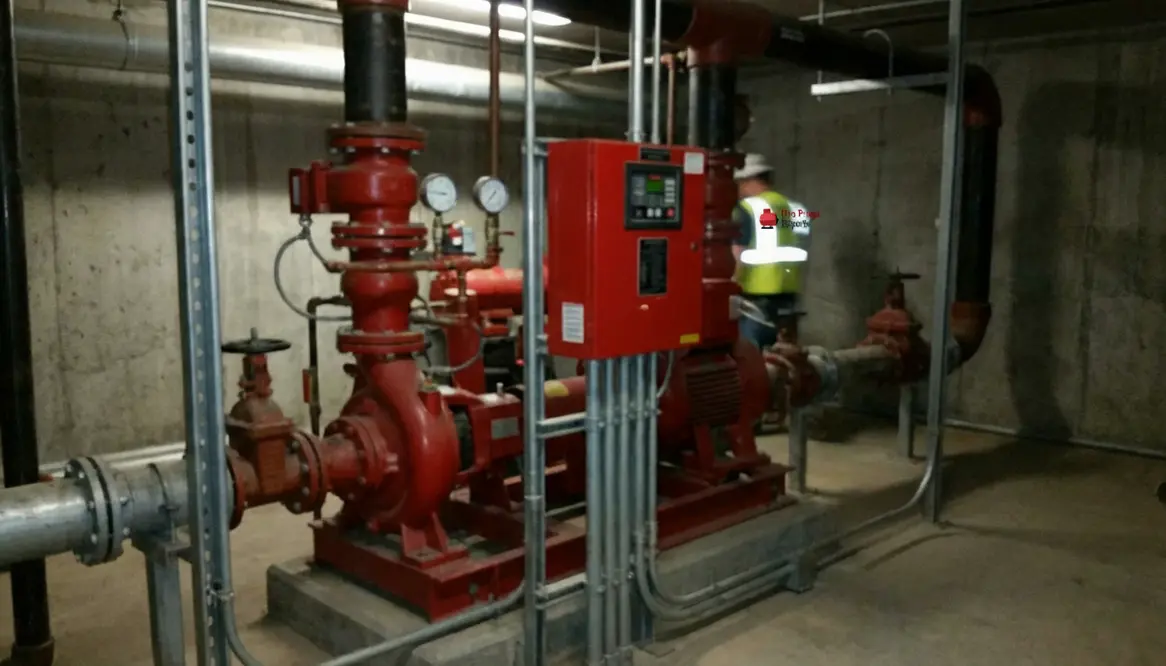
Tunnel Fire Pump Sydney Design and Compliance Guide
I have spent years around infrastructure that most people never think about until something goes wrong. And when it comes to underground systems in Sydney, fire safety is not a “set and forget” affair. A well designed tunnel fire pump Sydney system is the quiet guardian beneath the surface, ready to respond faster than a superhero hearing a distant cry for help. In tunnels, where space is tight and risks escalate quickly, precision matters. So today, I will walk you through what makes these systems work, why they matter, and how to get them right without losing sleep or your budget.
How do I design fire pump systems for tunnels in Sydney?
I start with one principle. Underground spaces behave differently. Heat builds faster, smoke lingers longer, and evacuation becomes more complex. Therefore, the fire pump system must deliver water reliably under pressure, even when conditions are working against it.
First, I evaluate the tunnel length, gradient, and usage. Is it a transport tunnel or part of a commercial facility? Next, I consider hazard classification. Heavy vehicle tunnels demand more robust systems than service corridors.
Then, I focus on pump capacity and redundancy. Because if one pump fails, that is not a plot twist anyone wants. I typically specify multiple pumps with automatic changeover. After that, I look at water supply reliability. Tanks, mains, or a combination must sustain operations for extended periods.
Finally, I integrate control systems that respond instantly. Because in tunnels, seconds matter more than speeches about preparedness.
Key components of a tunnel fire pump Sydney system
Every system I design comes down to a few critical elements working in harmony. Think of it like a band. If the drummer goes rogue, the whole thing falls apart.
Pumps and drivers
Electric or diesel driven pumps form the backbone. I often recommend diesel backup because power outages and fires tend to show up together like uninvited guests.
Control panels
These manage activation and monitoring. Modern panels offer real time data, which helps operators act fast and avoid guesswork.
Water storage
Reliable supply is essential. I design storage that meets demand even during prolonged incidents.
Distribution network
Pipework, hydrants, and sprinklers must deliver consistent pressure across the entire tunnel length.
When these components align, the system performs like a well rehearsed orchestra. And yes, without the dramatic finale.
Design challenges unique to underground systems
Designing for tunnels in Sydney is not just about ticking compliance boxes. It is about anticipating problems before they happen. For example, ventilation plays a huge role. Smoke control systems must work alongside fire pumps, not against them.
Additionally, space constraints force creative layouts. I often need to fit large equipment into tight plant rooms without compromising access. It is a bit like trying to park a truck in a compact car spot. Possible, but only with careful planning.
Water pressure management also becomes tricky. Long tunnels require zoning to maintain consistent delivery. Otherwise, you risk having too much pressure at one end and not enough at the other.
And then there is maintenance access. Because a system that cannot be serviced easily will eventually fail. No matter how impressive it looked on paper.
Compliance and standards in Sydney infrastructure
I always align designs with Australian standards and local regulations. In Sydney, authorities expect strict adherence to fire safety codes for commercial and industrial properties. This includes performance based design where needed.
However, compliance is just the baseline. I go beyond it by factoring in real world conditions. For instance, I consider peak traffic loads, environmental factors, and emergency response times.
Because passing inspection is one thing. Performing under pressure is another entirely.
Why reliability matters more than anything else
Let me put it simply. A fire pump system only matters when everything else is going wrong. That is why reliability is not optional. It is the whole point.
I design systems with redundancy, durable materials, and fail safe controls. Moreover, I ensure that testing and maintenance protocols are straightforward and effective.
Because if a system fails during an emergency, there is no reboot button. This is not a movie where someone yells “try turning it off and on again.”
That is why I treat every tunnel fire pump Sydney project as a mission critical asset, not just another tick on a compliance checklist.
Future trends in tunnel fire protection
Technology continues to reshape how I approach fire pump systems. Smart monitoring, predictive maintenance, and integration with building management systems are becoming standard.
In addition, energy efficient pumps and advanced materials are improving performance while reducing operational costs. This is particularly important for large scale commercial infrastructure.
Looking ahead, I expect even tighter integration between fire safety and digital systems. The goal is simple. Faster response, better data, and fewer surprises.
Whether it is a new build or an upgrade to an existing tunnel fire pump Sydney installation, smarter tools will make it easier to stay ahead of both regulators and real world risks.
FAQ
Final thoughts and next steps
If you manage a commercial or industrial facility with underground infrastructure, now is the time to take a closer look at your fire protection strategy. A properly designed tunnel fire pump Sydney system is not just a requirement. It is a safeguard for assets, operations, and lives. Reach out, assess your current setup, and invest in a system that performs when it truly counts. Because in this line of work, preparation is everything.
If you want a deeper technical reference on fire pumps in complex environments, one useful place to start is https://firepumps.org. Use it as a backdrop while you review your own tunnel systems, confirm that design intent still matches current operations, and make sure your next tunnel fire pump Sydney upgrade is built for the conditions beneath the surface, not just the assumptions on the surface.