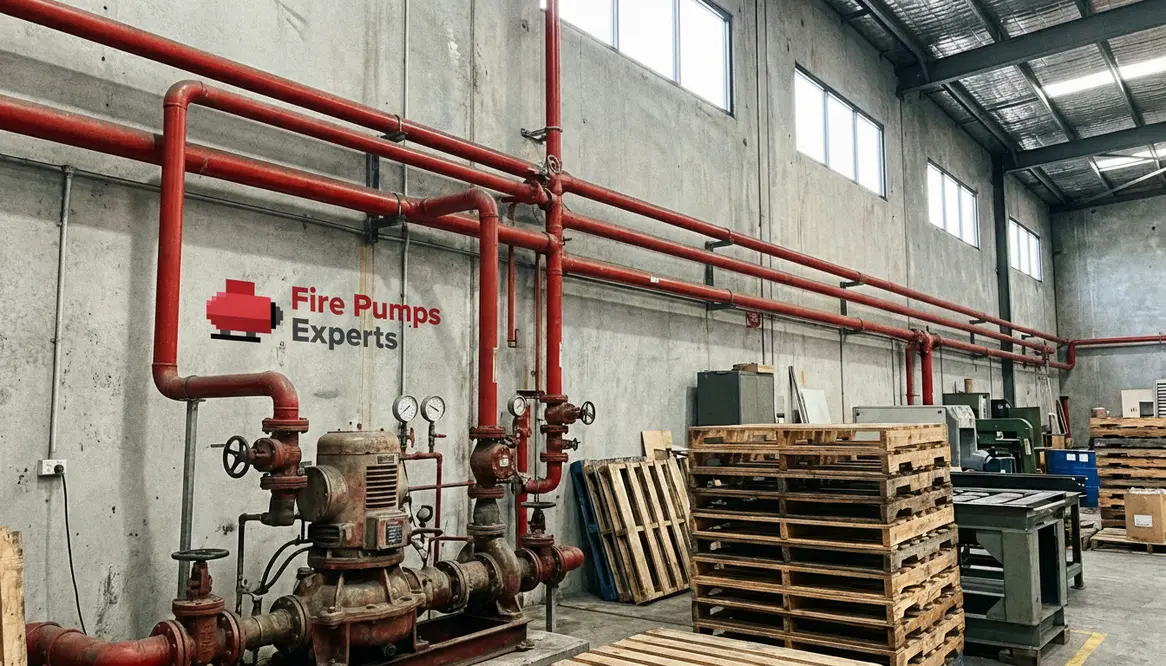
Fire Pump Long Pipe System Issues Australia Guide
I have spent years walking the long corridors of industrial plants and commercial towers, listening to the quiet hum of systems that only get attention when they fail. And when they do, they rarely whisper. They roar. That is especially true when dealing with fire pump long pipe system issues Australia, where distance becomes the hidden villain. Long pipe runs across large facilities bring pressure loss, delayed response, and a few surprises that would make even a seasoned technician raise an eyebrow. So let me walk you through what really happens behind the scenes, with a calm voice and just enough humor to keep things human.
Understanding Fire Pump Long Pipe System Issues Australia in Large Facilities
First, let us set the stage. Large facilities in Australia often stretch across massive footprints. Warehouses, hospitals, and industrial complexes rely on long pipe networks to deliver water where it matters most. However, the longer the pipe, the more friction you fight. As a result, pressure drops quietly build until one day the system underperforms.
Moreover, I often see systems designed well on paper but pushed beyond their limits over time. Expansions happen, new wings get added, and suddenly the pump that once performed like a hero now struggles like it skipped leg day. Consequently, repair scenarios become less about quick fixes and more about understanding the entire hydraulic story.
What Actually Fails First in Extended Pipe Networks
In my experience, the first signs of trouble rarely come from the pump itself. Instead, they show up in valves, joints, and pressure inconsistencies across distant zones. Meanwhile, air pockets love to sneak into long pipelines, acting like tiny roadblocks that disrupt flow.
Then there is friction loss. It sounds harmless, almost polite. But over distance, it behaves more like a slow tax on performance. Additionally, wear and tear on internal pipe surfaces increases resistance, which compounds the issue. Before long, the system that should respond instantly begins to hesitate.
And yes, sometimes the pump takes the blame. It is a bit like blaming the lead actor when the script is the problem. Entertaining, but not entirely fair.
How I Approach Diagnosis in Complex Systems
When I step into a facility, I do not rush. Instead, I listen, observe, and trace the system from source to endpoint. First, I measure pressure at multiple locations. Then, I compare those readings against design expectations. This tells me where the system loses its strength.
At the same time, I review maintenance records. Patterns often reveal themselves if you are willing to look. For instance, recurring pressure drops in distant zones often point to friction buildup or partial blockages.
After that, I inspect the pump performance curve. If the pump operates outside its ideal range, it struggles to maintain flow. Consequently, repairs may involve recalibration, component replacement, or in some cases, system redesign.
Common Diagnosis Steps
- Measure pressure across zones
- Inspect valves and fittings
- Check for air accumulation
- Review pump performance data
Typical Repair Actions
- Replace worn components
- Rebalance system pressure
- Upgrade pump capacity
- Flush and clean pipelines
Fire Pump Long Pipe System Issues Australia and Pressure Recovery Solutions
Now, let us talk solutions. Because while problems are interesting, solutions pay the bills. In systems affected by fire pump long pipe system issues Australia, restoring pressure is often the main goal.
One effective approach involves installing booster pumps at strategic points. This reduces the burden on the main pump and helps maintain consistent flow. Additionally, upgrading pipe diameters in critical sections can lower friction loss.
Another solution includes reconfiguring the system layout. Sometimes, a small redesign creates a big impact. Think of it as rerouting traffic to avoid congestion. It is not glamorous, but it works.
And yes, sometimes the answer is simply better maintenance. Regular flushing, valve checks, and performance testing go a long way. Not exciting, but neither is a system failure during an emergency.
Can Long Pipe Runs Be Future Proofed
Short answer, yes. Longer answer, it takes planning and discipline. When I work with facility managers, I emphasize designing for growth. Because facilities rarely stay the same size, systems should not be built as if they will.
Furthermore, integrating monitoring technology helps catch issues early. Sensors that track pressure and flow in real time provide insights that were once guesswork. As a result, teams can act before problems escalate.
And let us be honest, a little foresight beats a late night emergency repair every time. Even Batman needed prep time.
For facility teams facing recurring fire pump long pipe system issues Australia, planning upgrades around future expansions, code changes, and water supply variations can prevent surprise costs later on. When the system is mapped with growth in mind, every extra metre of pipe becomes a known factor rather than an unwelcome twist in the plot.
Real-World Patterns In Australian Long Pipe Installations
Across warehouses, data centres, and multi-building campuses, I keep seeing the same pattern repeat. The original design handles today’s needs, but the next expansion quietly stretches the pipework until the system starts to sag. What looked fine during commissioning struggles a decade later, especially in sites already dealing with fire pump long pipe system issues Australia.
Sometimes the culprit is a long run out to a remote plant room or a loading dock sprinkler zone. Other times it is a buried ring main that was never pressure-tested properly after modifications. In every case, the symptoms look similar: sluggish flow, uneven pressure, and a growing sense that the system is not as dependable as it should be when alarms go off.
Smart Practices For Managing Long Pipe Fire Systems
Design With Testing In Mind
If a technician cannot easily test flow and pressure at the far end of a line, that section will almost always be neglected. Providing accessible test points, clear isolation valves, and labelled zones turns routine testing from a chore into a habit. That habit is what keeps small problems from growing into full-blown fire pump long pipe system issues Australia stories.
Document Every Change
Drawings that match reality are worth more than the most expensive pump in the room. Whenever a tee is added, a valve is relocated, or a booster is installed, those updates should land in the as-built documentation. When that does not happen, troubleshooting becomes a guessing game, and that is when time and money disappear quickly.
Train The People, Not Just The System
Even the best-engineered pipe network will falter if no one on site understands how it behaves. Giving in-house teams simple, repeatable checks to perform each month builds confidence and catches strange readings early. A little hands-on familiarity with gauges, test headers, and alarm sequences can save everyone from unpleasant surprises during audits and real emergencies.
FAQ Quick Answers for Fire Pump Systems
Conclusion
If you manage a large commercial or industrial facility, you already know that fire protection is not optional. It is essential. When long pipe runs start to challenge your system, I encourage you to act early and decisively. Address performance gaps, invest in proper diagnostics, and partner with experts who understand the complexity involved. Whether you are reviewing an existing installation or planning to avoid fresh fire pump long pipe system issues Australia in a new project, a careful look at pipe layout, pressure behaviour, and testing access will pay for itself many times over.
If you want a deeper technical breakdown of typical configurations and performance expectations, you can start with resources like https://firepumps.org, then map that knowledge onto the realities of your own facility. Reach out today and ensure your system stands ready, calm and reliable, when it matters most.