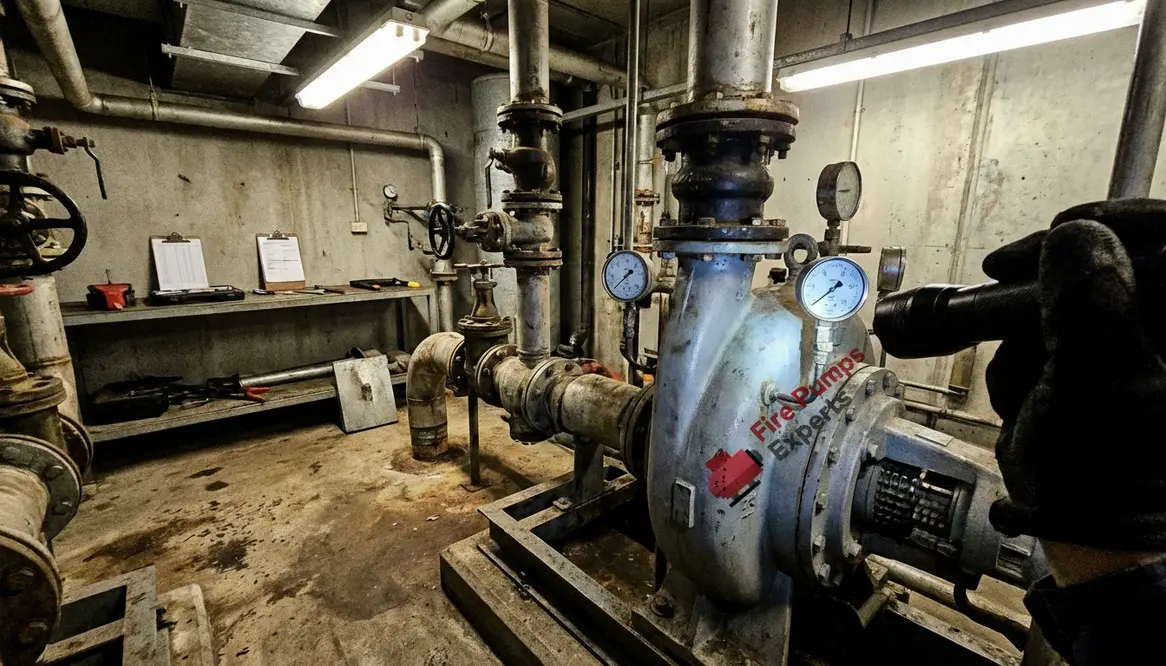
Fire Pump Low Flow Troubleshooting Brisbane Guide
I have walked through more pump rooms than I can count, and if there is one thing I know, it is this: when flow drops, nerves rise. In commercial and industrial buildings across Brisbane, fire systems are not just equipment, they are promises. And when those promises falter, fire pump low flow troubleshooting Brisbane becomes more than a technical task. It becomes a responsibility. So let me guide you through it, steady and clear, with just enough humor to keep us awake while the gauges stare back like they know something we don’t.
Understanding Low Flow in Fire Pumps Without the Panic
First, I slow things down. Low flow is not random. It leaves clues. Sometimes subtle, sometimes loud enough to make you question every life decision that led you into a pump room at 2 AM.
In most Brisbane high rises and industrial facilities, low flow often ties back to restriction, wear, or control issues. However, I always start by confirming the obvious. Is the demand real, or is instrumentation playing tricks? Because yes, gauges can lie. Not maliciously, of course. But they are not above a little mischief.
Then I compare current readings with historical data. If flow has gradually declined, that points toward wear or blockage. If it drops suddenly, I look for valve changes or system faults. In other words, context tells the story.
Fire Pump Low Flow Troubleshooting Brisbane Step by Step
Now we move with purpose. Each step builds on the last. No guessing. No shortcuts.
1. Verify suction supply
I check the water source first. Tanks, mains, or reservoirs must deliver adequate volume. If suction pressure drops, flow follows. Always.
2. Inspect suction piping
Then I look for obstructions. Debris, partially closed valves, or collapsed strainers can choke the system. It is like trying to drink a thick shake through a coffee stirrer. Not ideal.
3. Check pump rotation and speed
Motors and diesel drivers must run at correct speed. Even slight deviations can reduce output. Therefore, I confirm RPM and listen for irregular sounds. Pumps speak. You just have to listen.
4. Examine discharge restrictions
Next, I trace the discharge line. Closed valves, faulty check valves, or pipe damage can limit flow. And yes, sometimes someone left a valve half shut. It happens more than anyone likes to admit.
5. Evaluate system demand
If multiple zones or systems draw water, I confirm the pump can meet total demand. In large facilities, competing demand can quietly drain performance.
6. Review controller settings
Finally, I check the controller. Pressure settings, cut in points, and logic faults can all influence flow behavior. Technology is helpful, until it decides to be creative.
What are the most common causes of low fire pump flow in large buildings?
Let me answer this plainly, because this is where most problems hide.
In Brisbane commercial properties, I most often find clogged suction strainers, air leaks in suction lines, worn impellers, and partially closed valves. Additionally, aging infrastructure plays a role. Corrosion builds up over time, quietly narrowing pipes like cholesterol in an artery.
Meanwhile, human error deserves an honorable mention. Someone performs maintenance, forgets a valve position, and suddenly the pump behaves like it is on a diet.
Therefore, I never assume complexity first. I check the simple things with discipline. Because nine times out of ten, the answer is not dramatic. It is just overlooked.
Inside the Pump Room: Mechanical vs System Issues
Mechanical Factors
I focus on internal wear. Impellers can erode, seals can degrade, and bearings can introduce inefficiencies. Over time, even a well maintained pump loses its edge. Consequently, performance drops in ways that are easy to miss unless you track trends carefully.
System Factors
On the other hand, external conditions often interfere. Pipe scaling, valve misalignment, and fluctuating demand all impact flow. In large facilities, system complexity becomes its own challenge. It is like trying to manage traffic in a city where every light has a mind of its own.
By separating these two, I narrow the problem faster. Otherwise, you end up chasing ghosts. And trust me, pump rooms have enough echoes without adding imaginary ones.
Fire Pump Low Flow Troubleshooting Brisbane for Compliance and Safety
Here is where things get serious. Low flow is not just a performance issue. It is a compliance risk. In Brisbane, commercial and industrial buildings must meet strict fire protection standards. If your system cannot deliver required flow, you are not just out of spec. You are exposed.
So I always validate results with flow testing. Not assumptions. Not estimates. Real data. Because when auditors come knocking, they do not accept “it looked fine last week” as an answer.
Moreover, I document everything. Every reading, every adjustment, every finding. It builds a record that protects both the facility and the people responsible for it. And honestly, it also saves future technicians from muttering your name under their breath.
Preventing Low Flow Before It Starts
Now, prevention is where I like to spend my time. Because reactive work is stressful, and frankly, I prefer my coffee without urgency.
I schedule routine inspections, clean strainers, test valves, and verify controller settings regularly. In addition, I recommend performance trend tracking. When you see gradual changes early, you act before they become emergencies.
Also, I invest in proper training for facility teams. A well informed operator can spot issues long before alarms sound. That awareness turns minor fixes into non events.
And yes, sometimes I remind clients that a pump is not a “set and forget” device. It is more like a car. Ignore it long enough, and it will eventually remind you who is in charge.
FAQ: Fire Pump Low Flow Issues
Conclusion
If your system shows signs of low flow, do not wait for it to escalate into a compliance issue or safety risk. I approach every fire pump low flow troubleshooting Brisbane scenario with precision, experience, and a steady hand. Your facility deserves reliability, not guesswork. Reach out, and together we will restore performance, protect your building, and ensure your fire system stands ready when it matters most.
For more insights on fire pump performance and system reliability, you can review additional technical resources at https://firepumps.org. Use them to support a consistent maintenance program so that when the next inspection or emergency arrives, your fire pump is already doing exactly what it was designed to do.