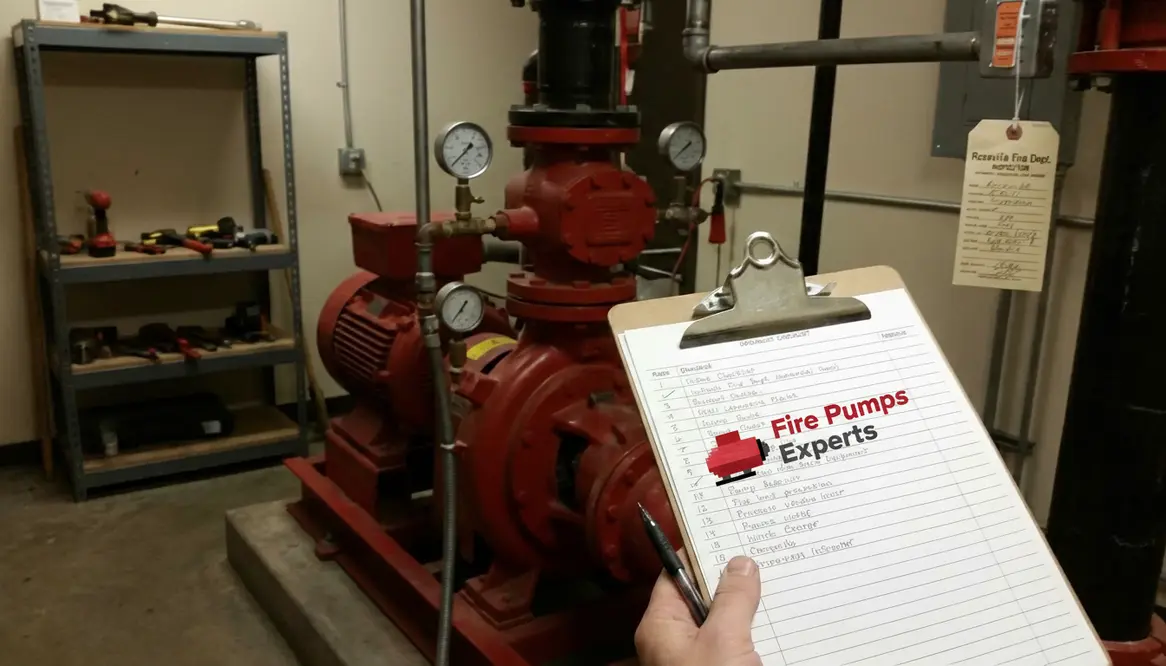
Stop the Sizzle Before the Smoke: Fire Pump Maintenance Insights for Facilities in Roseville
Let me take you on a journey. Picture your state-of-the-art commercial facility in Roseville—clean lines, buzzing machinery, coffee flowing like the Nile. Now picture it ablaze. Not so picturesque anymore, is it?
That’s where fire pumps come in. Specifically, fire pump maintenance Roseville CA. These unsung heroes sit quietly in the background, like Alfred in Batman’s Batcave. Silent, until the moment they’re needed most. But what happens if they’re not ready? Spoiler alert: It doesn’t end with applause.
Whether you manage an industrial plant, oversee a sprawling corporate campus, or babysit a hundred-thousand-square-foot distribution hub, your fire pump is one maintenance slip away from a very bad headline. So let’s break it down with a slow, confident voice and a few laughs along the way. Because yes, even fire pump maintenance can be… dare I say… electrifying.
The Core of Your Defense: What Fire Pumps Actually Do
Your fire pump isn’t just some overachieving water-squirting robot. It’s the heart and soul of your fire suppression system. Without it, your sprinklers are just fancy ceiling misters. And while that might sound lovely in August, it’s absolutely ineffective in a fire emergency.
When your facility’s water pressure dips below an acceptable level during a fire, a well-maintained fire pump kicks in like Vin Diesel in a Fast & Furious sequel—no time, all torque. It boosts water flow with the muscle needed to power through suppression systems across multi-floor buildings and expansive industrial layouts. No drama. Just results.
But that precision only works if it’s maintained properly. Otherwise, we might as well hand the fire a welcome letter and show it to the break room.
Common Mistakes That Can Kill Your Fire Pump—Subtly
I’ve seen it all: pumps treated like gym memberships—enthusiastically bought, rarely touched. Fire pump failures don’t usually explode with fireworks and sirens. Instead, they die quietly, corroding slowly from neglect, until the moment comes when they’re most needed—and they… do… nothing.
Here are a few silent assassins of reliability:
- Neglected Weekly Tests: Fire pumps should be test-run weekly. No, this isn’t a suggestion. It’s like brushing your teeth. Ignore it, and eventually, things fall out.
- Skipping Annual Flow Testing: If you’re not validating your system’s performance at rated flow, you’re basically trusting your fire pump’s résumé without actually calling any references.
- Improper Controller Checks: Controllers are the brain of your fire pump. If the brain’s fried, the body won’t move. Power issues, loose wiring, or fried circuits render the whole setup useless.
- Letting Corrosion Win: Your pump sits in a moist, often untreated room. Without inspection and basic TLC, pipe scaling and rust can spread faster than internet rumors.
A malfunctioning pump doesn’t just risk property damage—it can endanger lives. So no pressure. Literally though—check your pressure.
Smart Facilities Use Scheduled Maintenance Like a Superpower
If there’s one thing I respect, it’s a facility manager who runs their operation like Nick Fury runs S.H.I.E.L.D.—methodically and with just enough paranoia to prepare for every scenario. Scheduled fire pump maintenance in Roseville CA is how you get there.
Here’s what a professional, proactive game plan might include:
- Weekly Visual and Churn Checks: Ensure diesel units crank easily, and electric ones start without hesitance. Also, no leaks. Your pump’s not trying to become a fountain.
- Monthly Controller Diagnostics: Verify lights, status indicators, batteries, and alarms. Yes, your controller cries out for attention—actually, it literally will if you’re doing it right.
- Quarterly Suction and Discharge Valve Inspections: This keeps the flow pure and consistent. Think of it as declogging an artery before the heart gives out.
- Annual Performance Testing: Bring in the pros. We’re not YouTubing this. You need certified personnel running a full-capacity test, writing up reports, and recommending real-world improvements—not guesses.
The brilliance doesn’t stop there. With today’s predictive maintenance tools, IoT monitoring, and integrated facility management software, we’re entering the era of near-future sensing. Your pump can tell you it’s unwell—if you’re listening.
Why Fire Pumps Prefer Climate Control and Good Company
Let’s talk about the VIP suite your fire pump deserves: a clean, dry, moderately tempered environment. No, your pump isn’t picky—it just understands self-worth.
So many facility owners forget the impact of environment. Just by being kept in a damp basement under constant temperature fluctuation, your fire pump is silently deteriorating—kind of like that one friend who “just needs a nap” but clearly needs therapy.
DO:
- Maintain 40–90°F environment
- Keep out dust, mold, insects
- Ensure adequate lighting
- Ventilate diesel exhaust properly
DON’T:
- Store paint, chemicals or gear near the pump
- Ignore pooling water or signs of seepage
- Use the pump room as an IT graveyard
- Let rodents throw house parties in the wiring
I know it’s tempting to use that room as a storage closet, but remember—just because your fire pump isn’t loud doesn’t mean it’s not important. It’s calm, but crucial.
How Often Should You REALLY Be Maintaining Fire Pumps?
This is where things get real. Official standards recommend weekly, monthly, and annual tasks. But let’s cut through the bureaucratic fluff and talk practical.
If your fire pump is servicing a high-occupancy, high-risk industrial facility in Roseville, you should be running weekly churn tests like clockwork. I don’t mean “whenever Frank has time.” I mean scheduled, documented, beautifully executed testing with checklists and records George R. R. Martin would envy for their detail.
And don’t forget NFPA 25. That’s the gospel—National Fire Protection Association guidelines for inspection, testing, and maintenance. If you’re not fluent in NFPA 25 lingo, don’t worry. Professionals are available to turn that jargon into action plans better than Google Translate ever could.
Bottom line: Consistent maintenance isn’t optional. It’s as essential as your internet connection during a binge session of “Stranger Things.” Smart teams fold fire pump maintenance Roseville CA into their facility routines long before inspectors or emergencies force the issue.
Side Effects of Skipping Professional Maintenance? Let’s Just Say… Ashes
Sure, you could let your maintenance crew “wing it.” Karen in accounting once fixed a coffee machine—maybe she’ll try the diesel engine next?
Nope. Fire pump maintenance isn’t a DIY hobby or a weekend warrior project. It requires certified knowledge, calibrated tools, and accountability. Not to mention liability insurance.
When you partner with genuinely qualified providers, you’re securing fail-safes, not just ticking checkboxes. This is your first line of defense in a worst-case scenario. It deserves more attention than your fantasy football draft.
If you want a deeper look at how pumps behave under stress, consider resources like how fire pump performance can impact building safety. Pair that insight with disciplined fire pump maintenance Roseville CA and you set your facility up for the kind of reliability that doesn’t make the evening news.
FAQs About Fire Pump Maintenance for Commercial & Industrial Buildings
Fire pumps raise a lot of recurring questions for teams juggling compliance, uptime, and safety. Below are answers to some of the most common concerns facility managers ask when planning fire pump maintenance Roseville CA programs and budgets.
Conclusion: Your Facility Deserves More Than Good Luck
Take it from someone who’s seen what happens when fire pumps are left to chance—it’s not pretty, and it’s definitely not safe. At firepumps.org, we specialize in comprehensive, professional-grade fire pump maintenance that keeps commercial and industrial Roseville facilities protected, compliant, and confident.
When you build a disciplined schedule for fire pump maintenance Roseville CA, you’re doing more than satisfying a code requirement. You’re protecting people, equipment, and the reputation your organization has worked hard to earn. Schedule your service, document everything, and give your fire pump the environment and attention it deserves so you can focus on growth instead of damage control.
Your future self—the one whose building stayed operational after a fire event—will be very grateful you didn’t leave safety up to luck.