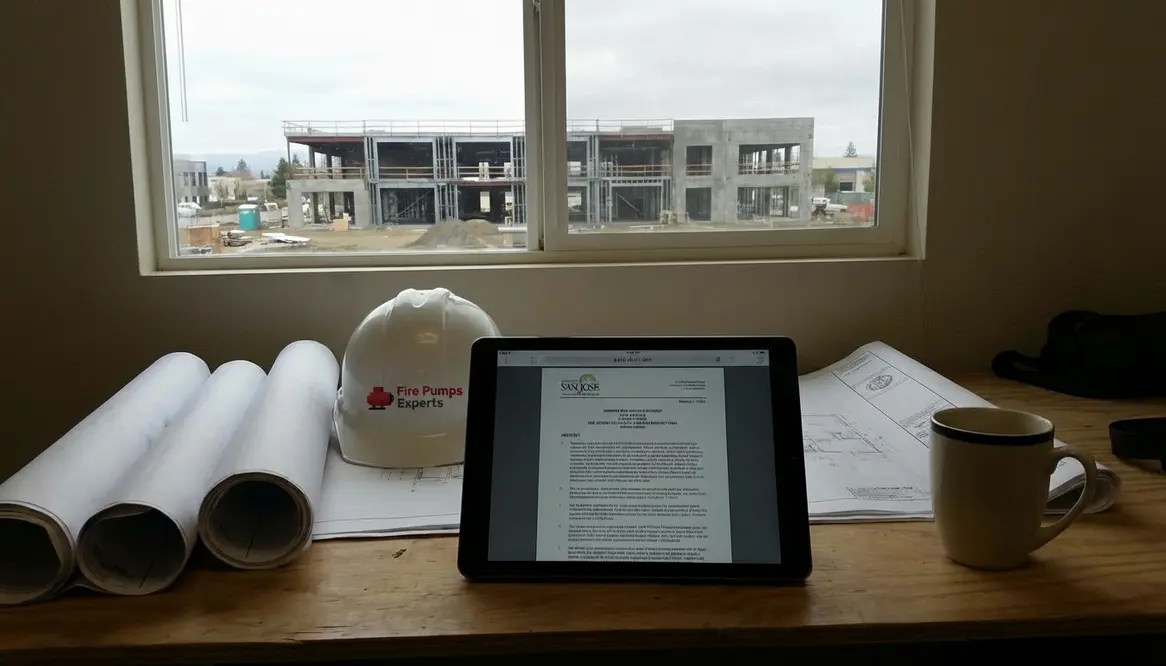
Fire Pump Permit Process San Jose Review Comments Guide
I have spent enough time around fire protection plans to know that nothing slows a project down faster than a messy permit package. In San Jose, the process for approving a fire pump is detailed, structured, and occasionally capable of testing the patience of even the calmest project manager. That is why understanding the fire pump permit process san jose submittal package review comments matters so much, especially for large commercial facilities, industrial plants, and high value properties where fire pumps are not optional. They are mission critical.
Over the years, I have watched engineers, contractors, and property managers walk into the submittal process with confidence and walk out with a stack of review comments thicker than a Hollywood script rewrite. However, when you understand how the system works and what the reviewers actually expect, the whole process becomes far more predictable. And trust me, predictable permitting is a beautiful thing.
Understanding the Fire Pump Permit Process San Jose Submittal Package Review Comments
When I prepare or review a fire pump permit package in San Jose, I treat it like assembling a technical puzzle. Every piece must align with California Fire Code, NFPA 20 requirements, and the specific expectations of the San Jose Fire Department.
First, the permit package lands in the city’s plan review system. From there, fire protection engineers review the documentation, verify hydraulic performance, and check equipment specifications. If everything lines up with code and city standards, approval comes quickly. If something is missing, unclear, or inconsistent, review comments arrive.
And those comments are not random.
Most of them fall into predictable categories that experienced teams learn to anticipate.
What Reviewers Focus On
For example, reviewers frequently look at:
- Pump capacity and pressure ratings compared with hydraulic calculations
- Driver type such as diesel or electric and associated power requirements
- Fire pump room layout and clearance dimensions
- Backflow prevention and suction supply design
- Controller specifications and monitoring connections
- Seismic bracing and anchorage for California standards
Why the Scrutiny Matters
In other words, the reviewers are not trying to ruin anyone’s day. They are ensuring that a system designed to protect millions of dollars in commercial assets will actually work when the alarm bells start ringing.
Think of them as the last line of defense before the system gets installed and the final gatekeepers in the fire pump permit process san jose submittal package review comments cycle.
What Should Be Included in a Strong Fire Pump Submittal Package
A solid permit package tells a clear story. The reviewer should be able to move from sheet to sheet without guessing what the designer meant. Clarity and structure are everything when you want to keep fire pump permit process san jose submittal package review comments to a minimum.
When I assemble a submittal package for a large commercial building or industrial facility, I make sure several core elements are present.
Engineering Documentation
- Hydraulic calculations showing system demand
- Fire pump performance curves
- Equipment cut sheets and manufacturer data
- Driver information for electric or diesel units
- Controller specifications and wiring diagrams
Construction Drawings
- Detailed fire pump room layout
- Suction and discharge piping configuration
- Test header locations and sizing
- Backflow preventer placement
- Seismic bracing and anchoring details
Additionally, I always verify that the plans coordinate with the overall sprinkler design. If the hydraulic calculations demand more flow than the pump provides, the reviewer will catch it immediately. It is a bit like showing up to a marathon with flip flops. Technically footwear, yes. Marathon ready, not exactly.
Therefore, clarity in documentation becomes the difference between a quick approval and weeks of revisions.
Why San Jose Reviewers Flag Certain Issues Again and Again
After reviewing dozens of projects across commercial campuses and industrial complexes, I have noticed something interesting. The same mistakes appear again and again.
It is almost comforting in a strange way. Like watching the same villain show up in every superhero movie.
Typical Triggers for Review Comments
- Hydraulic calculations that do not match pump performance curves
- Missing fire pump test header sizing
- Insufficient room clearances for maintenance access
- Unclear power supply information for electric fire pumps
- Diesel fuel tank sizing errors
- Inconsistent pipe sizing between plans and calculations
However, the biggest issue I encounter involves coordination between disciplines. Mechanical engineers, fire protection designers, and electrical teams sometimes work in parallel rather than together. Consequently, the electrical service might not match the fire pump controller requirements.
When that happens, the plan reviewer sends the project back for clarification. And suddenly the schedule takes a detour.
Large commercial buildings and industrial properties depend on reliable fire protection infrastructure. Because of that, the city does not overlook inconsistencies, especially when they relate to the fire pump permit process san jose submittal package review comments that tie all disciplines together.
How I Reduce Review Comments Before the Plans Ever Reach the City
Over time, I developed a simple strategy. I review the permit package the same way the city reviewer will.
- First, I cross check the hydraulic calculations with the pump curve. If the numbers do not align perfectly, I fix them before submittal.
- Next, I verify equipment documentation. Every pump component must include manufacturer data sheets. Missing documentation is practically an invitation for review comments.
- Then I look closely at the fire pump room layout. NFPA 20 requires very specific clearances for maintenance access. If technicians cannot safely service the pump, the system becomes a liability.
- Finally, I check coordination with electrical and structural drawings. Electric fire pumps require dedicated power feeds, while seismic anchoring must meet California structural standards. When those elements align early, the approval process moves far more smoothly.
It may sound simple, but preparation prevents most of the headaches associated with permitting.
Besides, no one enjoys explaining to a building owner why a project paused because a dimension label was missing.
What Happens After the Fire Pump Permit Gets Approved
Once the permit clears plan review, the real work begins.
Installation must follow the approved drawings exactly. Inspectors will verify equipment placement, piping configuration, and controller installation during field inspections.
Next comes acceptance testing. The fire pump must demonstrate performance under real operating conditions. Flow testing confirms that the pump meets pressure and capacity requirements.
For large commercial and industrial properties, these tests are critical. A fire pump protects valuable infrastructure, expensive equipment, and thousands of occupants.
Key Items Inspectors Will Examine
- Churn pressure performance
- Rated flow operation
- Controller functionality
- Alarm monitoring integration
- Fuel supply systems for diesel pumps
Once the system passes testing, the city signs off and the pump becomes part of the building’s active life safety system.
It quietly waits in the background like the calm hero in an action movie. Hopefully never needed. But always ready.
Common Questions About the Fire Pump Permit Process San Jose Submittal Package Review Comments
How long does fire pump plan review take in San Jose?
Initial review typically takes two to four weeks depending on project size and city workload.
Who prepares the fire pump permit package?
Licensed fire protection engineers or qualified fire sprinkler contractors usually prepare the plans and calculations.
What codes apply to fire pump design in San Jose?
Designs must follow NFPA 20, California Fire Code, California Building Code, and local San Jose amendments.
Why do fire pump permits receive plan review comments?
Comments appear when documentation is incomplete, calculations do not match equipment performance, or drawings lack required details.
Are fire pump permits required for commercial buildings?
Yes. Many high rise, industrial, and large commercial facilities require fire pumps to meet sprinkler system pressure and flow demands.
Moving Your Fire Pump Project Through Approval Without Delays
The permit process does not have to feel like wandering through a maze with a blindfold on. When the documentation is precise, coordinated, and complete, the city reviewers can move efficiently through the plans.
If you are planning a fire pump installation for a commercial facility or industrial property in San Jose, the smartest step is working with specialists who understand the permit expectations, documentation requirements, and review patterns. At FirePumps.org, we help teams prepare accurate submittals, resolve review comments quickly, and keep projects moving toward approval and installation without unnecessary delays.
And when you are ready to think beyond permitting and into long term operation, it is worth looking at how full-service fire pump providers support ongoing testing, maintenance, and reliability. For example, the team at Kord Fire Protection offers diesel and electric fire pump services, churn testing, and a range of related fire protection solutions that keep approved systems performing the way the plans promised on day one.