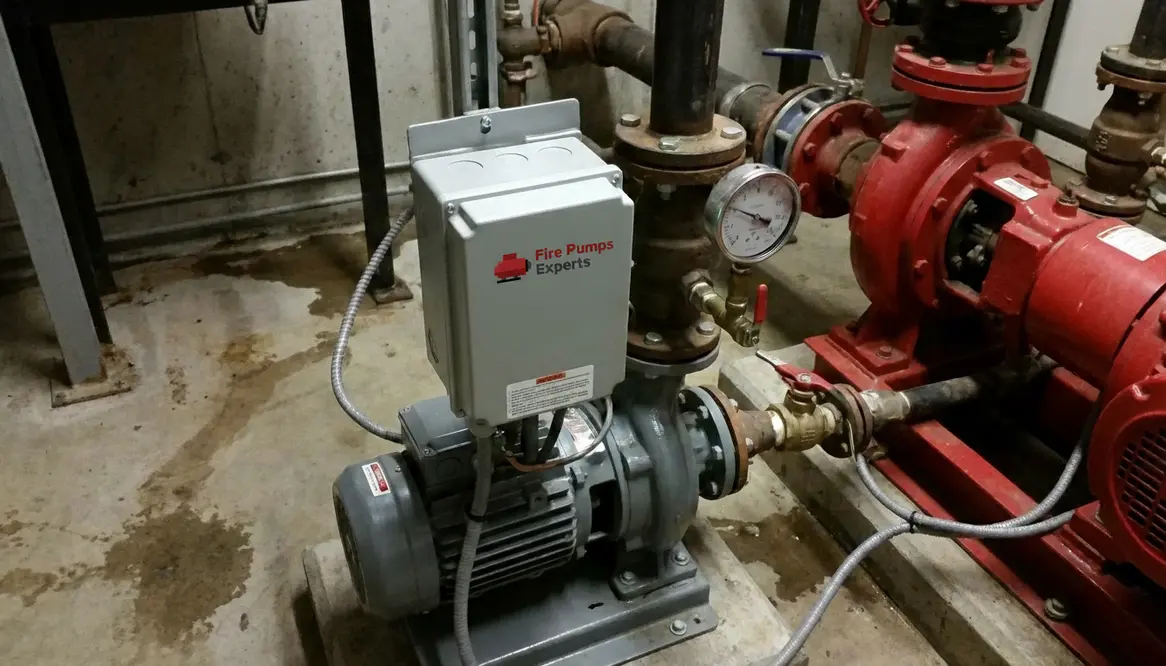
Fire Pump Repair Dallas Jockey Pump Short Cycling
I have spent years around pump rooms in large commercial and industrial buildings, and I can tell you something with confidence. When a system starts behaving strangely, it rarely whispers. It rattles pipes, flicks gauges, and makes maintenance teams scratch their heads.
One of the most common issues I see in North Texas facilities involves fire pump repair dallas jockey pump short cycling. The little pump that is supposed to quietly maintain pressure suddenly starts clicking on and off like a light switch in a haunted house. At first it seems harmless. However, over time it can signal deeper pressure problems inside the fire protection system.
And if you manage a hospital, warehouse, high rise, or manufacturing plant, those pressure fluctuations are not just annoying. They affect reliability. Fire protection equipment is built to stand ready, not to run a marathon every five minutes.
So let me walk you through what is really happening, why jockey pumps short cycle, and what facility teams in Dallas should watch before a small issue becomes a very expensive one.
What Short Cycling Actually Means in a Fire Protection System
A jockey pump has a simple job. It maintains system pressure so the main fire pump does not start during minor pressure drops. In other words, it acts like a calm security guard keeping everything steady.
However, when short cycling happens, the pump starts and stops repeatedly within short intervals. Instead of running smoothly when needed, it jumps on and off rapidly.
At first glance, the pressure gauge may look normal. Yet behind the scenes, something in the system keeps pulling pressure down just enough to trigger the jockey pump. Then the pump restores pressure, shuts off, and the cycle begins again.
Consequently, motors wear out faster, pressure switches struggle to keep up, and the pump controller takes unnecessary stress.
I once walked into a Dallas distribution facility where the jockey pump kicked on every 45 seconds. The maintenance supervisor joked that it was doing more cardio than his gym membership. Funny line. Bad situation.
Because when a jockey pump runs that often, the system is trying to tell you something.
Fire Pump Repair Dallas Jockey Pump Short Cycling Root Causes
How Common Issues Disrupt System Pressure
Common Causes
- Small leaks in underground or overhead piping
- Faulty pressure switches or controllers
- Improper pressure differential settings
- Leaking check valves
- Thermal expansion in large water systems
- Air trapped in system piping
Typical System Effects
- Frequent pump starts
- Erratic pressure gauge readings
- Controller alarm events
- Premature motor wear
- Valve chatter
- Inconsistent standby pressure
For example, a tiny underground leak may drop pressure just enough to wake the jockey pump every few minutes. Meanwhile, a bad pressure switch may misread the system entirely.
Therefore, guessing rarely works. A real diagnosis requires pressure logging, valve checks, and careful inspection across the system.
Why Pressure Problems Spread Across the System
Large commercial buildings have complex fire protection networks. Pipes stretch across floors, through mechanical rooms, and sometimes underground across entire campuses.
Because of that complexity, pressure instability travels farther than most people expect.
For instance, thermal expansion alone can cause surprising movement in the system. When water warms during the day, it expands. That pressure increase may trigger relief valves. Later, when the water cools, pressure drops again. The jockey pump wakes up and tries to compensate.
Additionally, aging check valves often allow slow backflow. The system slowly bleeds pressure until the jockey pump kicks on again. This cycle repeats endlessly.
Think of it like a slow leak in a tire. You may not notice it immediately, but eventually you are visiting the air pump far more often than you planned.
In major commercial facilities, these small changes add up quickly. As a result, addressing pressure stability early prevents serious pump wear and avoids unnecessary main pump starts.
Is Your Jockey Pump Running Too Often?
Warning Signs Facility Teams Should Watch
This is a question I hear from facility managers all the time. Fortunately, the answer is easier than most people think.
A properly tuned jockey pump should run occasionally, not constantly. In a stable system, it might activate a few times per day depending on pressure drift and environmental changes.
However, warning signs appear quickly when something is wrong.
- Pump cycles every few minutes
- Controller logs frequent starts
- Pressure fluctuates rapidly on gauges
- Motor temperature increases
- Operators hear frequent pump noise in the pump room
If you notice these patterns, the system is already telling you that pressure balance is off.
And while the pump may keep up for now, motors, seals, and controllers eventually pay the price. That is why proactive inspection is always cheaper than emergency repair.
Besides, nobody wants their fire pump behaving like an over caffeinated squirrel when it should be calmly standing guard.
How I Diagnose Pressure Instability in Large Buildings
From Data to Root Cause on Fire Pump Repair Dallas Jockey Pump Short Cycling Calls
When I respond to a fire pump repair dallas jockey pump short cycling call, I never start by swapping parts. That approach wastes time and money.
Instead, I begin with system data.
First, I review controller logs to see how often the pump cycles. Next, I verify pressure switch set points and differential ranges. Many systems drift out of calibration over time.
Then I inspect critical valves. Check valves, isolation valves, and backflow assemblies often create hidden pressure losses.
After that, I examine the piping network. Even a minor drip from a valve pack can drop pressure slowly over several hours. In large facilities, those small leaks can hide in mechanical spaces nobody visits regularly.
Finally, I evaluate pump sizing and tank capacity. Occasionally, the jockey pump installed years ago simply does not match the current building system.
When those pieces come together, the cause usually becomes obvious.
And once we correct the pressure balance, the system returns to doing what it should do. Stand quietly and wait.
Preventing Short Cycling in Commercial and Industrial Fire Systems
Maintenance Habits That Keep Jockey Pumps Calm
The good news is that most pressure related problems are preventable. Facility teams that maintain their systems regularly rarely experience severe cycling issues.
However, prevention requires attention to a few key areas.
- Annual calibration of pressure switches
- Routine valve inspection and testing
- Monitoring controller start logs
- Periodic leak detection checks
- Verification of proper pressure differential settings
- Inspection of check valves and backflow assemblies
Additionally, many modern facilities now install pressure monitoring devices that track system trends over time. These tools reveal pressure drift long before the jockey pump begins rapid cycling.
Consequently, maintenance teams can correct small issues during scheduled service rather than during an emergency shutdown.
And in buildings where thousands of people or millions of dollars in equipment depend on reliable fire protection, that kind of foresight matters.
FAQ About Jockey Pump Short Cycling and Pressure Issues
Facility teams dealing with fire pump repair dallas jockey pump short cycling often raise the same questions, especially when pressure problems begin affecting day-to-day operations.
Reliable Fire Pump Repair in Dallas for Pressure and Jockey Pump Issues
If your system shows signs of fire pump repair dallas jockey pump short cycling, the smartest move is addressing it early. Pressure instability rarely fixes itself, and small problems inside large commercial fire systems grow quietly over time. Our specialists focus on diagnosing pressure issues, stabilizing jockey pump operation, and protecting critical fire protection equipment in major Dallas facilities.
To see how a fully designed and maintained fire pump program looks in practice, review this article on NFPA 20 fire pump system requirements and how design, installation, and testing all work together for reliability. Applying those same principles to your own building, along with timely service, keeps jockey pumps from turning into noisy, overworked alarm bells for deeper pressure problems.
Reach out today, and we will help restore the calm, steady performance your fire pump system was designed to deliver.