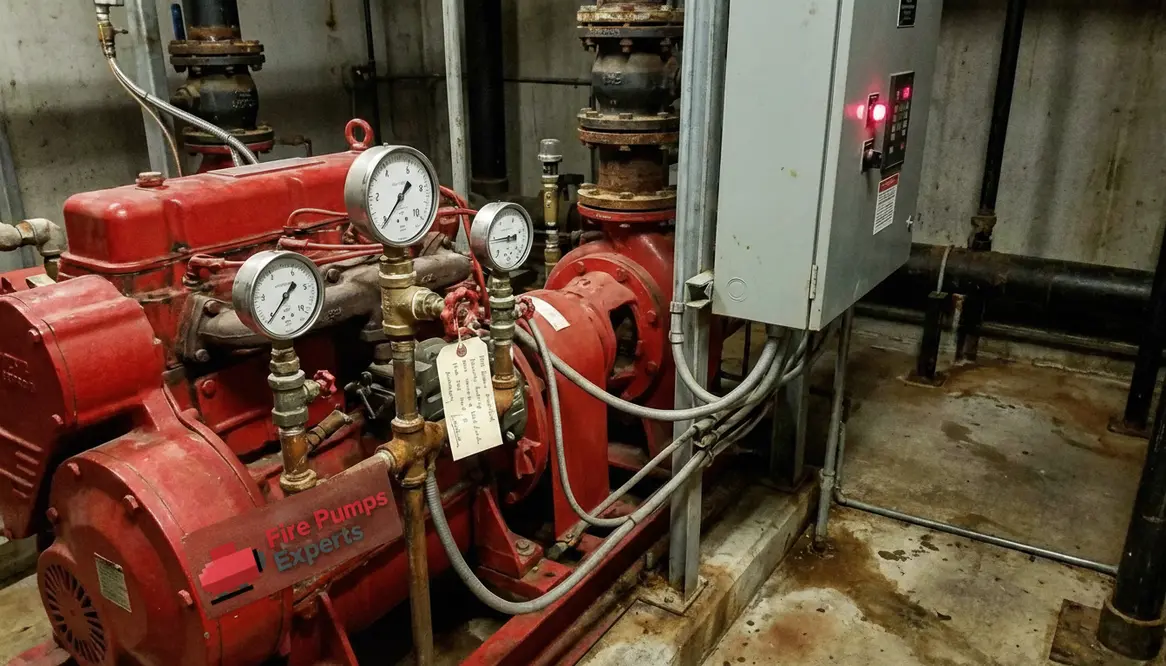
Fire Pump Repair Houston Low Pressure No Start Guide
I have spent a good portion of my life standing in pump rooms that hum like a bass guitar in a quiet jazz club. When a fire pump works, it is a beautiful thing. Water moves with purpose. Pressure holds steady. The building sleeps a little easier at night. But when it does not start or the pressure drops like a bad stock tip, people suddenly remember the importance of maintenance.
In Houston, large commercial properties depend on reliable systems, and that is where fire pump repair houston low pressure no start situations become serious business. I have walked into plenty of mechanical rooms where alarms blink like Christmas lights and everyone looks at the pump as if it personally betrayed them. The truth is simpler. Pumps rarely fail without leaving clues. You just have to know how to listen.
So let me walk you through how I approach these problems in large commercial and industrial facilities. Because when a pump refuses to start or struggles to hold pressure, it is not just equipment trouble. It is a building level risk that deserves calm, methodical attention.
Why This Guide Matters For Houston Facilities
In high rise towers, hospitals, refineries, and distribution hubs, a single missed clue in a fire pump can turn into a major impairment. This guide walks through how seasoned technicians read those clues, from “no start” failures to grinding low-pressure headaches that show up on test day.
The Core Problem: Low Pressure Or No Start
Whether you are dealing with low flow readings during testing or a pump that refuses to respond at all, both situations fall under the same umbrella: fire pump repair houston low pressure no start. The building does not care if the failure is electrical, mechanical, or hydraulic. It only cares that, in a fire, water shows up at the right pressure.
When a Fire Pump Refuses to Wake Up
Sometimes a fire pump just sits there. Silent. Still. About as helpful as a security guard in a zombie movie who falls asleep on shift. When that happens, I start with the fundamentals.
First, I check power and control signals. In many commercial buildings the pump controller manages automatic starts from pressure switches or fire alarm signals. However, if the controller loses power, the pump will not respond no matter how politely you ask.
Next, I examine the starting components.
Common Electrical Causes In Houston Facilities
- Tripped breakers in the pump controller
- Faulty pressure switches that fail to trigger the start command
- Damaged wiring from moisture or vibration
- Battery failures in diesel driven pump starters
However, electrical issues are only half the story. Mechanical problems can also keep a pump from starting. For instance, a seized shaft or damaged coupling can lock the system in place. When that happens, the motor tries to start but cannot rotate the pump assembly.
And yes, sometimes the problem is surprisingly simple. I once inspected a major warehouse facility where the emergency stop button had been bumped during cleaning. That little red button shut down the entire fire protection system. The janitor was mortified. I told him not to worry. Even seasoned operators occasionally hit the wrong switch when they are surrounded by panels, alarms, and blinking lights.
Why Fire Pumps Lose Pressure in Large Buildings
Low pressure problems tend to sneak up slowly. Unlike a no start condition, which announces itself loudly, pressure loss often appears as a subtle decline during testing.
Therefore I start with the water supply path. Every fire pump depends on a consistent source of water and a clean intake.
Typical Causes Of Fire Pump Pressure Loss
- Partially closed suction valves
- Blocked strainers or debris in the intake line
- Worn impellers that reduce pumping efficiency
- Air leaks on the suction side
- Undersized or failing jockey pumps affecting system pressure balance
In large industrial campuses, I often see suction piping issues after renovations. A contractor modifies piping somewhere upstream and the flow dynamics change. Suddenly the pump cannot maintain the pressure curve it was designed for.
Meanwhile, impeller wear is another quiet culprit. Over time, mineral deposits and corrosion slowly eat away at metal surfaces. The pump still spins, but it moves water like a tired athlete trying to sprint uphill.
That is why testing and performance curve verification matter so much. A pump should hit specific flow and pressure benchmarks. If it does not, something inside the system is whispering that it needs attention, especially when those readings line up with a developing fire pump repair houston low pressure no start scenario.
Fire Pump Repair Houston Low Pressure No Start Diagnostics I Perform First
When I arrive at a facility facing a fire pump repair houston low pressure no start issue, I follow a structured diagnostic approach. Experience helps, but discipline matters more.
Instead of guessing, I gather evidence from the system itself.
Electrical and Control Checks
- Controller alarm history review
- Voltage verification under load
- Start signal tracing from pressure switch or alarm panel
- Battery and charger inspection on diesel units
- Emergency stop circuit confirmation
Mechanical and Hydraulic Checks
- Suction and discharge valve positions
- Impeller condition and shaft rotation
- Flow test readings compared to pump curve
- Air leaks or cavitation indicators
- Relief valve and check valve operation
As a result, the system begins to tell its story. Data points connect. Patterns appear. And before long, the real cause usually steps forward like the villain explaining the master plan at the end of a movie.
The key is patience. Pumps rarely reward rushed diagnostics.
What Facility Teams Often Ask: How Do I Diagnose a Fire Pump That Will Not Start?
I get this question from facility engineers all the time, especially those managing high rise buildings, distribution centers, hospitals, and industrial campuses around Houston.
So here is the straight answer.
Start with the controller panel. Modern fire pump controllers record alarms, faults, and start attempts. Those logs act like a black box on an aircraft. They tell you exactly what happened before the failure.
Next, confirm the pressure sensing system. If the pressure switch does not detect the drop in system pressure, it will never send the start signal.
After that, inspect the motor or engine starter system. Electric motors rely on stable voltage and functional contactors. Diesel pumps depend on healthy batteries and fuel supply.
Finally, verify the pump itself rotates freely. If the shaft cannot turn, the motor cannot do its job.
It sounds simple. However, in a 40 story commercial tower or a large refinery complex, that troubleshooting path can involve several interconnected systems. That is why experienced inspection and repair teams matter when you are facing any kind of fire pump repair houston low pressure no start trouble that does not respond to basic resets and quick visual checks.
Fire Pump Repair Houston Low Pressure No Start Prevention Strategies
Let me tell you a secret about pumps. They love routine. When systems receive regular testing and inspection, major failures become rare.
For large commercial and industrial properties, I always recommend a structured maintenance program aligned with national fire protection standards and best practices such as NFPA 20. If you want to understand how fire pump design and compliance fit together at a deeper level, resources like Kord Fire Protection’s NFPA 20 overview at NFPA 20 fire pump system guidance provide a solid foundation.
Key Preventive Steps For Houston Fire Pumps
- Weekly churn tests to verify automatic start function
- Monthly controller alarm reviews
- Quarterly flow verification tests
- Annual full performance testing against pump curves
- Routine inspection of suction supply and valves
Additionally, documenting every test matters. Data trends reveal slow changes in pump performance long before they become emergencies.
Think of it like watching your car dashboard. If the oil light flickers once, you pay attention. If it flickers every day, you schedule a mechanic before the engine turns into a very expensive paperweight.
Fire pumps deserve the same respect. After all, they protect buildings worth hundreds of millions of dollars.
FAQ About Fire Pump Repair in Houston
What causes a fire pump to lose pressure?
Low pressure usually comes from suction restrictions, worn impellers, air leaks in the intake line, or partially closed valves affecting water supply.
Why will a fire pump not start automatically?
The most common causes are failed pressure switches, controller faults, electrical power issues, or starter battery failure in diesel systems.
How often should commercial fire pumps be tested?
Weekly churn tests and annual full flow performance tests are standard for most commercial and industrial fire protection systems.
Can low pressure damage a fire protection system?
Yes. Insufficient pressure can prevent sprinklers and standpipes from delivering the required water flow during an emergency.
Who should perform fire pump repairs in large facilities?
Only qualified fire protection specialists with experience in commercial and industrial systems should diagnose and repair pump equipment.
Keeping Houston Buildings Protected
If you manage a commercial tower, hospital, refinery, distribution hub, or major industrial facility, your fire pump is not just another mechanical asset. It is the quiet guardian standing by for the worst day a building could face.
When signs of fire pump repair houston low pressure no start appear, quick expert diagnostics make all the difference. Our team focuses exclusively on large commercial and industrial properties across Houston, delivering deep inspections, precise repairs, and dependable system performance. Reach out today and let us make sure your fire pump stands ready when it matters most.