Fire Pump Replacement Planning Across Standards
A practical walkthrough on planning fire pump replacements that respect the rules, the building, and the people who count on both.
Fire Pump Replacement Planning Across Global Standards
When I plan a fire pump replacement for a commercial or industrial facility, I do not treat it like a simple equipment swap. I treat it like a life safety decision with a long shadow. Fire pump standards guide the process from the first review through final testing, and that matters because one wrong move can ripple through the whole building like a bad sequel nobody asked for. In the world of major properties, I have learned that a replacement plan must balance code, water supply, system demand, and local approval. So, if you want a smooth project, you need more than a shiny new pump. You need a plan that respects the rules and the building.
How I start a fire pump replacement plan
I always begin with a full system review. First, I check the current pump’s age, condition, service history, and cause of failure or concern. Then I compare the existing setup with the building’s present risk profile. A warehouse, a high rise, and a manufacturing plant do not play by the same script, and the pump should match the real hazard, not yesterday’s assumptions.
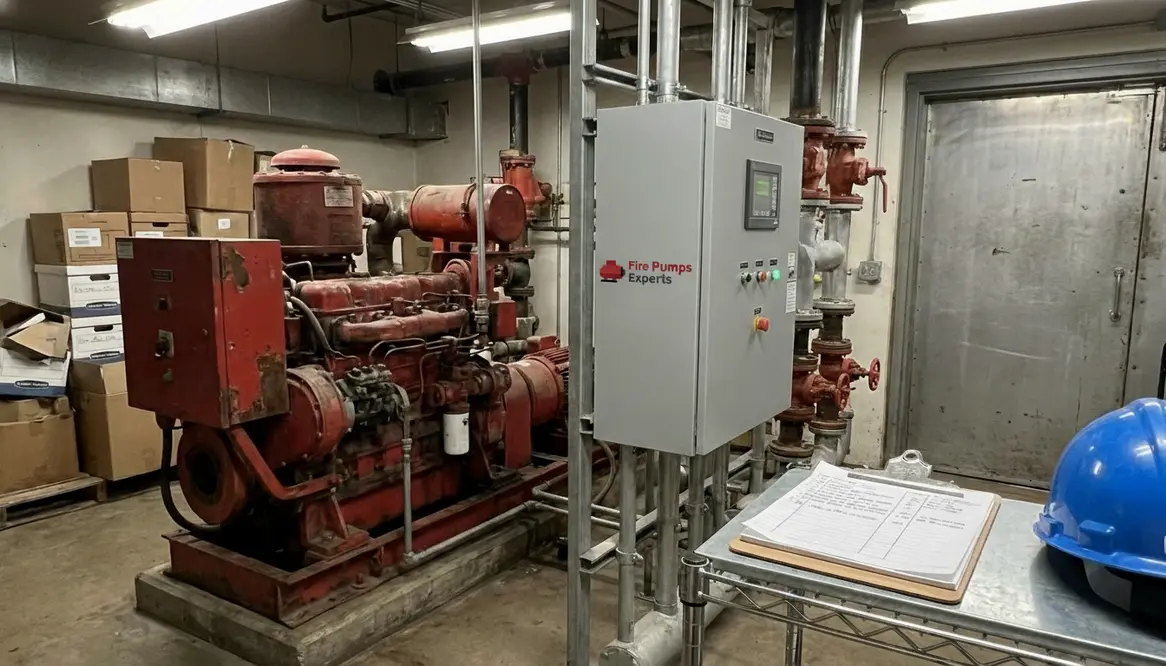
Next, I confirm the water source, suction layout, power supply, and controller condition. If the pump room looks like it has survived three action movies and a flood, I already know I have work to do. I also review changes in occupancy, storage loads, or process use because those can raise the fire demand. In short, I do not replace the pump first and ask questions later. I ask the right questions first, then choose the replacement path.
What I check under global fire pump standards
Global projects can get tricky fast. Different regions may follow NFPA based rules, EN based requirements, or local codes that blend both. That is why I study the applicable fire pump standards before I pick equipment. I want the replacement to fit the jurisdiction, the insurer’s view, and the owner’s long term goals.
Here is the core comparison I use:
Dual column view for planning
Design and approval factors
- Local code path and authority approval
- Required pump curve, pressure, and flow range
- Electric or diesel drive selection
- Room layout, ventilation, and drainage
- Controller and alarm interface needs
Testing and acceptance factors
- Field acceptance test method
- Suction conditions and churn performance
- Power transfer and emergency source checks
- Documentation for final sign off
- Maintenance access after startup
This step matters because standards are not just paperwork. They shape the entire replacement. If I miss a local rule, I can delay startup, add cost, and create a very expensive headache. Nobody wants that kind of “surprise twist” in a capital project.
How I match the new pump to the building
Once I know the code path, I match the new pump to the actual site needs. I look at required flow, pressure, and suction lift. Then I test whether the water supply can support the demand without drama. A pump that looks powerful on paper may still fail if the supply is weak or the system curve is off. That is why I pay close attention to the full hydraulic picture.
I also check the driver type. Electric pumps work well where power reliability is strong, while diesel pumps often help where backup power needs extra independence. However, I never choose by habit alone. I choose based on risk, fuel access, electrical room conditions, and maintenance skill on site. After all, a diesel unit with no good fuel plan is just a very confident object.
Finally, I think about the future. If the property may expand, change storage, or add process load, I want the pump plan to leave some room to grow. That forward look helps owners avoid another replacement too soon and keeps the project aligned with evolving fire pump standards instead of locking the building into outdated assumptions.
Why project timing and shutdown planning matter
Replacement planning is not only about hardware. It is also about keeping the facility protected during the work. I build a shutdown plan that keeps fire protection active as much as possible. In many cases, that means phased work, temporary water measures, or close coordination with plant staff and the local authority.
I also map the schedule around operations. For a hospital tower or a distribution center, downtime can hit hard. Therefore, I set clear milestones for removal, install, testing, and final acceptance. Good scheduling keeps the project calm. Poor scheduling turns the pump room into a soap opera, and nobody needs that energy on a Tuesday morning.
How I handle testing, records, and final approval
Testing is the moment of truth. I want flow, pressure, controller action, and alarms to prove the system works as designed. In addition, I watch for issues that often show up only under load, like vibration, priming trouble, or suction problems. A quiet pump room is nice, but a verified pump room is better.
After testing, I collect records, drawings, cut sheets, and maintenance notes. Then I make sure the owner’s team knows the new inspection and service plan. This step is important because a replacement is not finished when the contractor leaves. It is finished when the facility can maintain the system with confidence and meet the fire pump standards in daily practice, not just on paper.
When everyone on the team understands how the pump, power, and water supply interact, the building stays much closer to the intent of the original design and to the expectations baked into the fire pump standards that govern the site.
FAQ
Conclusion
If you manage a commercial or industrial property, I recommend treating fire pump replacement as a planned safety upgrade, not an emergency swap. Review the code path, study the site, and line up the equipment, testing, and approvals before work begins. If you want a replacement plan that aligns with fire pump standards and supports long term reliability, reach out to our team at FirePumps.org. I can help you move from uncertainty to a clean, compliant, and well timed project.