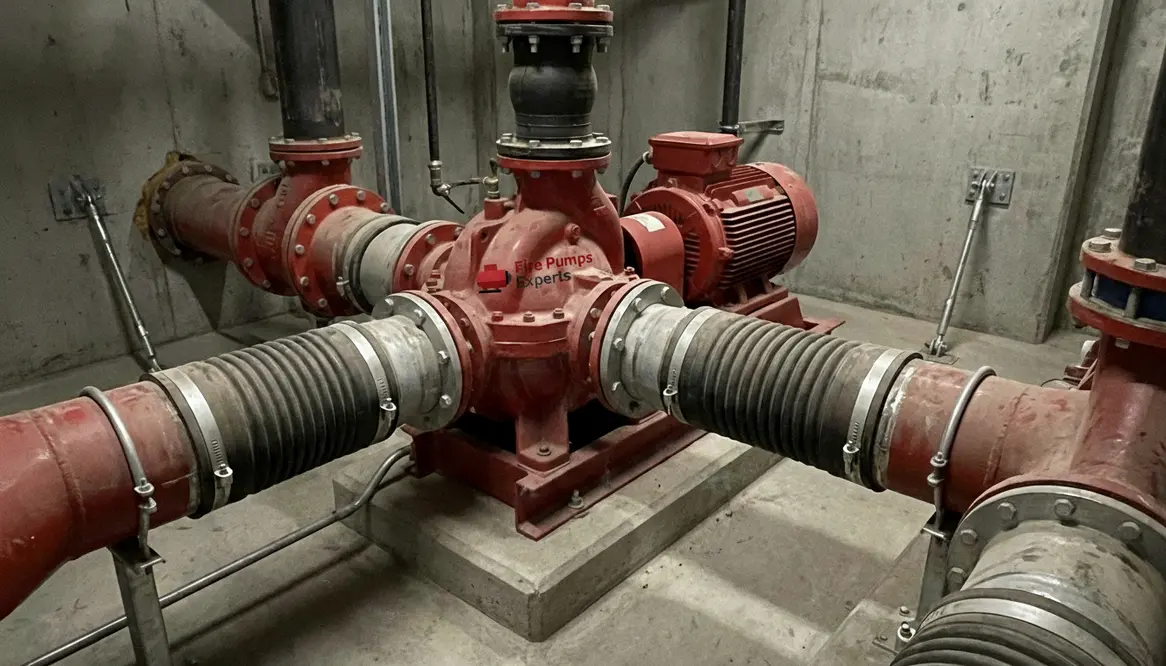
I have spent enough time around pump rooms to know one thing for certain. When the ground moves, everything else follows. In Australia, where seismic activity may not headline the news every day but still poses real risk, designing a reliable fire pump seismic Australia solution becomes less of a technical exercise and more of a responsibility. After all, a fire system that fails during an earthquake is about as useful as a screen door on a submarine. So today, I will walk you through what actually matters when protecting commercial and industrial facilities in seismic regions, without the fluff.
Fire Pump Seismic Australia Design Guide
What makes seismic design for fire pumps in Australia unique?
Australia does not experience earthquakes with the same frequency as some regions. However, when they do occur, they can disrupt infrastructure that was never properly prepared. Because of this, I always approach seismic fire pump design in Australia with a mindset of quiet readiness rather than panic.
First, local standards such as AS 1170.4 guide how seismic loads should be calculated. However, compliance alone does not guarantee resilience. I have seen systems that technically met standards but still failed due to poor installation practices. Therefore, I focus on how components behave together under stress.
Additionally, many commercial buildings rely on complex fire protection networks. When seismic movement hits, even minor pipe misalignment can interrupt water flow. Consequently, every connection point becomes critical.
Core design elements I never compromise on
When I design or review a system, I treat each component like a cast member in a blockbuster film. If one underperforms, the whole production suffers. And no one wants a fire pump system that flops harder than a bad sequel.
Here are the essentials I always prioritize:
Seismic anchorage
I ensure pumps, controllers, and fuel tanks are anchored securely. Not just bolted, but engineered to withstand lateral forces. Because during an earthquake, gravity briefly takes a coffee break.
Flexible pipe connections
Rigid piping is the enemy of movement. Therefore, I incorporate flexible couplings to absorb displacement without breaking.
Base isolation where required
In higher risk zones, isolating the pump skid can reduce transmitted vibration. It is not always necessary, but when it is, it makes a noticeable difference.
Power supply resilience
Electric pumps are great until the power goes out. That is why diesel backup systems remain a staple in many Australian facilities.
How do I ensure compliance without overengineering?
This is where things get interesting. Because while it is tempting to overbuild, I prefer precision. Overengineering wastes budget and often complicates maintenance.
I start by assessing the building classification and hazard level. Then, I match the system to realistic seismic expectations rather than worst case fantasy scenarios. Think of it like packing for a trip. You prepare for rain, not a meteor strike.
Moreover, I coordinate closely with structural engineers. This collaboration ensures that the fire pump seismic Australia requirements align with the building’s structural response. When these disciplines work in sync, the system performs as intended.
Practical installation strategies that actually hold up
Design is only half the story. Installation is where many systems quietly fail. I have walked into facilities where everything looked perfect on paper, yet small oversights compromised the entire setup.
What I insist on during installation
- Correct anchor bolt torque and spacing
- Verified alignment after installation
- Proper clearance for movement
- Independent support for piping
What I avoid at all costs
- Shared supports with non critical systems
- Improvised bracing solutions
- Ignoring manufacturer seismic ratings
- Assuming symmetry equals stability
Additionally, I always conduct a post installation inspection. Because trust is good, but verification keeps buildings standing and systems flowing.
Fire pump seismic Australia challenges in large facilities
Large commercial and industrial properties introduce another layer of complexity. The scale alone changes how seismic forces interact with fire protection systems.
For instance, long pipe runs increase the chance of stress concentration. Therefore, I strategically place expansion joints and seismic braces throughout the network. Meanwhile, multi level facilities require vertical risers that can tolerate movement without shearing.
Another challenge is system redundancy. In high value facilities, downtime is not an option. So I often design dual pump configurations with independent supports. That way, even if one system is compromised, the other remains operational.
And yes, it may sound excessive. But when millions of dollars in assets are on the line, redundancy stops being a luxury and starts being common sense.
Maintenance and testing in seismic ready systems
A well designed system still needs attention. Otherwise, it becomes a very expensive decoration.
I recommend routine inspections that go beyond standard fire pump testing. Specifically, I check anchorage points, inspect flexible connections, and verify that no modifications have compromised the system.
Over time, even minor building changes can affect seismic performance. Therefore, I treat maintenance as an ongoing conversation rather than a one time checklist.
And if you are wondering whether this level of diligence matters, the answer is simple. Systems that are maintained with intent tend to perform when it counts. When we design or upgrade a fire pump seismic Australia arrangement and pair it with disciplined maintenance, the entire risk profile of the facility shifts in a very practical way.
FAQ: Fire Pump Systems in Seismic Regions
What is a seismic rated fire pump system?
It is a system designed to remain operational during and after an earthquake through reinforced anchoring and flexible connections.
Are seismic measures required in all Australian regions?
Not always, but many commercial and industrial projects require assessment based on local seismic risk.
Can existing fire pump systems be upgraded?
Yes, retrofitting with seismic bracing and flexible components is often possible.
Why is flexible piping important?
It prevents pipe breakage by allowing movement during seismic activity.
Do diesel pumps perform better in earthquakes?
They can be more reliable if power supply is disrupted, but both types need proper seismic design.
Final thoughts and next steps
If you manage or design a commercial or industrial facility, now is the time to take a closer look at your system. A properly engineered fire pump seismic Australia solution does more than meet compliance. It protects operations, assets, and lives when conditions turn unpredictable. Reach out, review your setup, and make the adjustments that matter. Because when the ground shifts, preparation is the only thing that stands still.