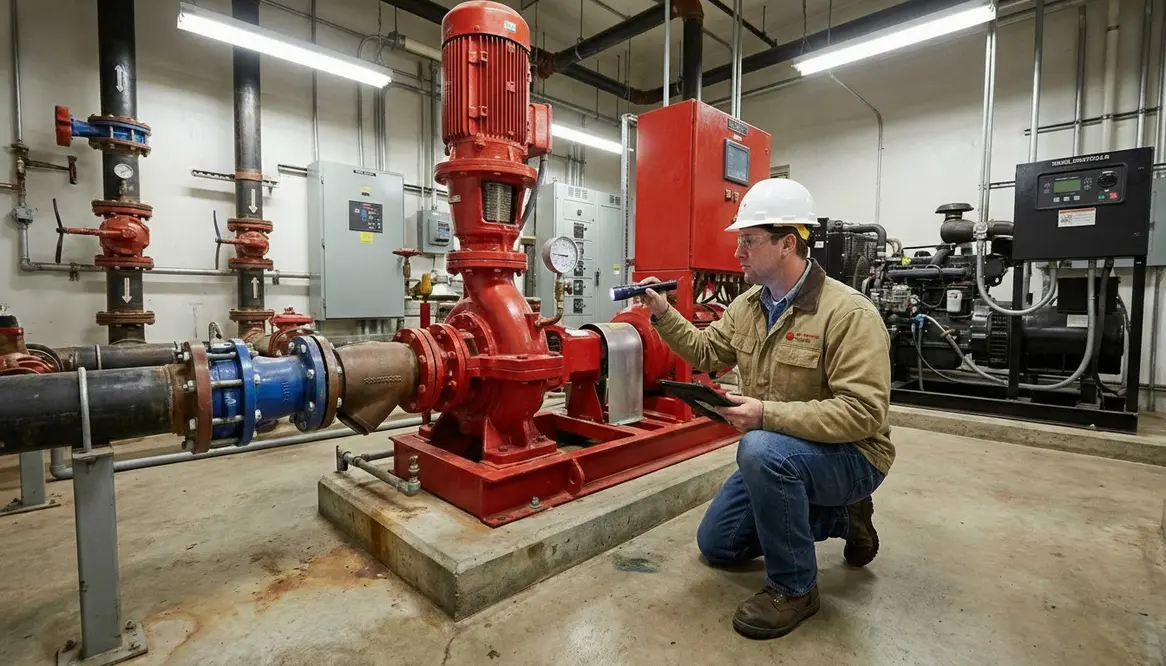
Fire Pump Standards for Global Industrial Sites
I have spent enough time around industrial sites to know one thing for sure: when fire protection fails, people do not care about fancy slogans. They care about water, pressure, and systems that work when the heat is on. That is where fire pump standards come in. They guide how I size, select, test, and maintain fire pumps so commercial and industrial facilities can stay protected across regions, climates, and codes. And yes, that matters whether the site is a busy warehouse, a plant floor, or a major property building that has more steel than a superhero movie set.
For global sites, I also need to think beyond one rulebook. Different countries, insurers, and authorities may ask for different details, yet the goal stays the same: deliver dependable flow and pressure during a fire event. So in this guide, I will break down the standards, the checks, the testing, and the practical choices that help keep a pump ready for duty.
What fire pump standards cover in industrial sites
At the core, fire pump standards set the minimum performance and installation rules for a pump that feeds a fire sprinkler or standpipe system. I use them to confirm the pump can move enough water at the right pressure when the system needs it most. In most projects, that means looking at pump type, suction supply, power source, controller setup, and test methods. If the pump is the heart, the standards are the heartbeat monitor. Nobody wants a flatline.
For industrial sites, these rules matter even more because demand can shift fast. A plant may need more water than a small office tower. A storage yard may face longer pipe runs. A major building may also need backup power, remote alarms, and routine flow tests. Therefore, I always check how the standard fits the site layout, the local code, and the risk level.
Three core duties I tie to fire pump standards
1. Match the pump to the hazard
I confirm the pump can support the full fire demand, not just a best case guess.
2. Protect the water supply
I verify suction conditions, tank size, and supply reliability so the pump does not starve like a gym treadmill in January.
3. Prove the system works
I plan acceptance tests and ongoing checks so the pump does not just look good on paper.
Global codes and local rules I compare
When I work on sites in more than one country, I compare the main fire pump code with local rules and insurer needs. Often, the base standard comes from widely used fire protection guidance, but the project still needs local approval. So I never assume one label fits every site. That is a fast way to turn a clean project into a long email chain, and nobody wants that kind of sequel.
Here is a simple way I think about the comparison:
Standard focus vs. local focus
Standard focus
Pump performance, controller rules, acceptance testing, and maintenance checks.
Local focus
Authority review, power rules, water supply limits, climate needs, and permit steps.
Because of that, I review drawings, equipment data, and site risk together. I also check if the site faces cold weather, salt air, dust, or power cuts. These details change the way I set up the pump room and the backup plan. After all, a fire pump in a cold storage area has a very different life than one in a warm city tower.
How I plan fire pump selection for commercial and industrial facilities
I never pick a pump by size alone. Instead, I start with water demand, required pressure, and the system type. Then I look at the supply source. If the site uses a tank, I check capacity and refill speed. If it uses a city line, I check pressure swings and flow limits. This step saves money later, because the wrong pump can create low pressure, wasted energy, or weak fire coverage.
Next, I compare electric and diesel options. Electric pumps work well where power is stable and backup power is strong. Diesel pumps fit sites where outages are a real concern. However, I also check fuel storage, ventilation, and testing space. A pump room needs room to breathe. So does the maintenance crew, frankly.
Then I review the controller, relief settings, and alarm signals. These parts matter because they help the pump start, run, and report problems in a clear way. I also make sure the layout allows safe access for inspection. If a technician must crawl through a maze to reach the pump, the design needs help, not applause.
Testing, inspection, and upkeep that keep the system ready
Fire protection only works when people test it. So I treat inspection and upkeep as part of the standard, not as extra chores. I schedule weekly visual checks, monthly run checks, and regular full flow tests when the code or site policy asks for them. These checks help me spot leaks, vibration, heat, battery issues, or poor pressure before they become real trouble.
What I watch during pump testing
- Flow that meets design demand
- Pressure that stays within range
- Clean suction conditions
- Stable power or fuel supply
- No unusual noise, heat, or shaking
Also, I keep records. Strong records help during audits, insurer reviews, and authority checks. More importantly, they show a pattern. If the pressure drops a little each month, I want to know before a fire turns that dip into a headline.
Why fire pump standards matter for major property buildings
For major property buildings, the stakes climb fast. Large floor areas, mixed use layouts, and dense equipment zones can put extra demand on the fire system. As a result, I need standards that support not only the pump itself but the whole fire water path. That includes the suction line, controller, valves, power supply, and the room around it.
When I apply fire pump standards well, I do more than satisfy a checklist. I improve reliability, reduce downtime, and protect people, stock, and operations. I also make it easier to pass inspections across regions. For global industrial sites, that consistency matters. It keeps teams aligned even when local rules shift like the plot of a streaming series nobody asked for.
If you need help planning or reviewing fire pump standards for a commercial or industrial facility, I recommend taking the next step now. Visit FirePumps.org to review expert support for major properties, compare project needs, and build a fire pump plan that fits your site with confidence.
Conclusion
Across warehouses, plant floors, and complex global facilities, fire pump standards sit quietly behind every successful fire response. They shape how I match pumps to hazards, protect water supplies, and prove that systems actually work when called on. When those standards are applied with real site conditions in mind, they do more than satisfy inspectors. They keep operations moving, people safer, and surprises limited to the ones on movie night, not in the pump room.