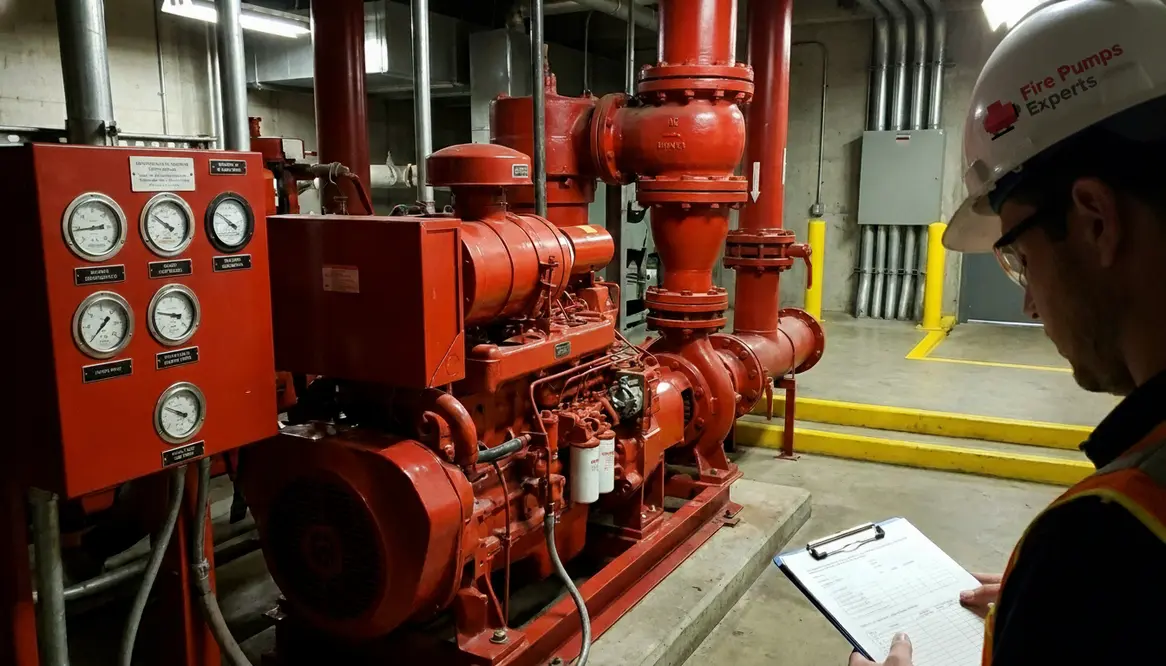
Fire Pump Standards for Global Industrial Sites
How the quiet rules behind fire pump standards shape real-world protection for industrial and commercial facilities across regions.
When I talk about fire pump standards, I am not talking about paperwork that gathers dust in a folder while everyone hopes for the best. I am talking about the quiet rules that help protect industrial sites, commercial plants, and major property buildings when fire decides to make a dramatic entrance. In global operations, these standards guide how a fire pump performs, how it gets installed, how it gets tested, and how it keeps water moving when every second counts. That matters because a weak system can turn a manageable event into a very expensive nightmare, and nobody wants that kind of plot twist.
In plain terms
Fire pump standards are the rules that stop a fire pump from being a decorative piece of metal and turn it into a reliable lifeline when everything is going wrong. They decide what “good enough” really means when flames are involved.
What I mean by fire pump standards in global industrial work
I always start with the basics. Fire pump standards set the minimum level of safety, performance, and reliability for pumps that support fire protection systems. In industrial sites, these pumps must deliver strong water flow under real pressure, not just look good on a spec sheet. That means I need to consider local codes, insurance rules, national standards, and the needs of the facility itself.
For global sites, the challenge grows fast. One country may follow NFPA guidance. Another may rely on EN or local civil defense rules. Therefore, I have to align the whole system so it performs well across borders. If a site has warehouses, processing lines, fuel storage, or tall buildings, I cannot treat the pump room like an afterthought. It becomes part of the core risk plan, and frankly, it deserves more respect than the office coffee machine.
Why this matters globally
Different codes, different climates, different approval rules. One weak link in the chain can turn a small incident into an international business disruption. Aligning fire pump standards across sites is part of keeping that chain solid.
How I choose the right standard for a facility
I choose the standard based on the site risk, local law, and the project scope. First, I check whether the facility falls under commercial or industrial use, because that drives the design path. Then I look at the water source, building height, hazard level, and required flow demand. After that, I compare those needs with the applicable fire pump standard in the region.
Here is the part many teams rush through, and that is where trouble starts. A standard is not just a box to tick. It shapes the entire system, from pump type to controller logic to weekly testing. So I ask practical questions:
- Can the pump maintain pressure during a fire event?
- Does the water supply support the demand curve?
- Will the installation survive real site conditions like heat, dust, vibration, or corrosion?
Those questions sound simple, yet they save money, time, and a lot of stress later. In other words, the boring part is often the part that keeps the lights on, or at least keeps the flames off the building.
Fire pump standards and installation checks
Installation matters as much as design. A great pump can still fail if the piping, foundation, or controller setup goes wrong. I always verify suction conditions, discharge layout, alignment, and power supply first. Then I confirm that the pump room has proper access, ventilation, drainage, and protection from flooding.
Industrial sites also need strong coordination between fire protection, electrical, mechanical, and operations teams. If those teams do not talk early, the project can drift into chaos faster than a season finale cliffhanger. So I make sure the installation follows the chosen standard and matches the actual site layout, not just the drawings that looked nice in a meeting.
Key installation checkpoints
- Suction: reliable source, correct NPSH, clean and accessible strainers
- Discharge: proper routing, valves, and gauges where humans can actually reach them
- Foundations: vibration control and proper anchoring
- Power: dependable supply, clear separation from non-critical loads
- Room: space to move, light to see, and drainage that does not turn the floor into a shallow pool
Global fire pump standard comparison for industrial sites
This comparison helps me keep the system practical. However, I never assume one region copies another. A standard that works in one market may fail in another because of water supply, climate, or local approval rules. So I build the plan around the facility, then I fit the code to the reality on the ground.
| Area | What I check |
| North America | NFPA based design, listed equipment, local code approval |
| Europe | EN aligned design, regional certification, system compatibility |
| Middle East and Asia | Local authority rules, insurer requirements, climate and water quality |
| All regions | Flow demand, pressure target, testing, maintenance access |
For a deeper reference base, resources like https://firepumps.org can help cross-check requirements, but I still let the specific facility and its risks drive the final choices.
How I test and maintain reliability over time
I do not trust a pump just because it passed once. I trust it when it keeps passing. That means regular testing, inspection, and maintenance must stay part of the site routine. I check suction pressure, discharge pressure, engine or motor condition, controller alarms, valve positions, and signs of wear. Then I review the records to spot trends before they become problems.
For global industrial sites, maintenance gets even more important because climate and use patterns change from location to location. A pump in a humid coastal plant faces different risks than one in a dry inland warehouse. As a result, I tailor the service plan to the site instead of using a one size fits all schedule. That may sound less glamorous than a superhero movie, but it works far better in real life.
Routine that keeps pumps honest
- Follow the testing intervals set by the relevant fire pump standards.
- Use test results to adjust settings, not just to fill out forms.
- Record readings consistently so long-term patterns become obvious.
- Adapt maintenance to local climate, water quality, and operating hours.
Why compliance with fire pump standards matters
Compliance protects more than the building. It protects workers, stock, operations, and business continuity. When I follow fire pump standards correctly, I reduce the chance of failure during an emergency and improve the chance of fast recovery after one. That matters for major property buildings too, where downtime can hurt tenants, clients, and the owner’s reputation.
The business side of staying compliant
In addition, strong compliance helps with audits, insurance, and long term asset value. If a fire protection system is clear, documented, and tested, it becomes easier to defend the facility decision by decision. That is not just technical peace of mind. It is smart business.
FAQ
Conclusion
I treat fire pump standards as a living part of industrial risk control, not a one time approval step. If your site operates across regions, builds major property assets, or supports heavy commercial use, then the right standard can save time, reduce risk, and protect value. So I recommend reviewing your current system now, checking the code fit, and making sure your fire pump plan matches the real world, not just the paperwork. When safety works quietly, business runs loudly.