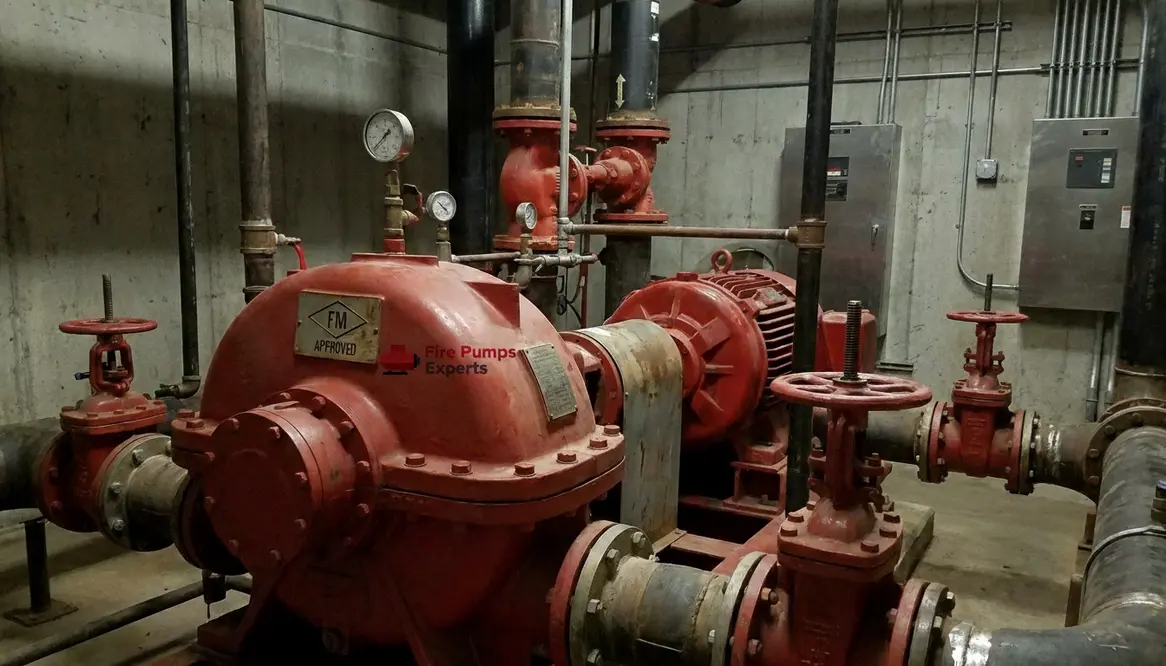
FM Approved Fire Pumps Guide for Commercial Buildings
A practical, straight-talking look at how FM Approved fire pumps keep serious commercial and industrial properties from becoming very expensive bonfires.
FM Approved Fire Pumps Explained
When I talk about protecting a commercial tower, a warehouse, or a large industrial plant, I always come back to one thing: FM Approved fire pumps. These pumps do the heavy lifting when water pressure drops and a fire system needs real support, not wishful thinking. In a major property, that matters. A lot. Because if the sprinkler system is the orchestra, the fire pump is the bass line, holding everything together while the building tries not to turn into a very expensive campfire.
So, let me walk you through what FM Approved fire pumps are, why they matter, and how they fit into serious fire protection planning for commercial and industrial facilities. I will keep it clear, practical, and yes, a little less dry than a building code manual.
What FM Approval Means in Real Life
FM Approval is not a marketing sticker. It means the pump has gone through strict testing for performance, durability, and safety. In plain terms, it has proven it can do the job when a fire system needs steady water flow and pressure. For large buildings, that is not a nice bonus. That is a core requirement.
FM Global sets standards that many property owners, insurers, and risk teams trust because they focus on loss prevention. As a result, an FM Approved pump gives decision makers more confidence that the equipment can handle real world stress. I like to think of it as the fire pump version of a well trained stunt double. It does not just look ready. It has to perform under pressure.
For commercial and industrial sites, that approval often helps align fire protection with insurance goals, safety planning, and code driven design. It also helps reduce doubt during project reviews, which is always nice because nobody enjoys a meeting that turns into a debate over pump reliability at 4:45 on a Friday.
How FM Approved Fire Pumps Work
Here is the simple version. A fire pump boosts water pressure for a sprinkler or standpipe system when the main supply cannot deliver enough. That extra pressure helps water reach upper floors, long pipe runs, and high demand areas inside large properties.
Most systems include a pump, driver, controller, suction piping, and discharge piping. The driver may be electric or diesel. Each part must work together smoothly, because a weak link can slow the entire response. Therefore, proper sizing and installation matter just as much as the pump itself.
FM Approved fire pumps also need the right match between building demand and system design. I always stress this point. A pump that is too small will fall short. A pump that is too large can create unnecessary stress on the system. So, the goal is balance, not guesswork. Fire protection does not reward optimism. It rewards math.
Why Commercial And Industrial Facilities Rely On Them
Large properties face more risk because they often have bigger footprints, higher occupancy, more stored goods, and more complex layouts. In addition, industrial sites may hold valuable machinery, flammable materials, or critical operations that cannot afford long shutdowns. That is exactly where FM Approved fire pumps earn their keep.
They support reliable water delivery in places where pressure loss can happen fast. For example, a high rise may need extra boost to reach upper floors. A manufacturing facility may need stable flow across wide production areas. A distribution center may need strong water coverage because of its size and storage racks. In each case, the pump helps fire suppression systems do their job before a small event grows into a major loss.
What I Check Before Choosing FM Approved Fire Pumps
I always look at the building first, not just the pump spec sheet. That means I check water supply, system demand, site layout, power source, and the type of hazard present. Then I compare those details to the pump rating and approval data.
Here is a quick side by side view of the main factors I review:
| Building Need | What I Look For |
| Large floor area | Enough flow for long pipe runs |
| High rise structure | Pressure to reach upper levels |
| Industrial process areas | Support for higher risk zones |
| Limited water supply | Strong pump performance and sizing |
| Critical operations | Reliable driver and control setup |
After that, I look at maintenance access, testing needs, and long term service support. Because even the best pump will act like a drama queen if nobody maintains it. Regular testing keeps the system ready, and it also helps teams spot problems before they become expensive surprises.
FM Approved Fire Pumps And System Compliance
Compliance matters, especially for commercial and industrial facilities where safety, insurance, and uptime all sit at the same table. FM Approved fire pumps help support a stronger compliance strategy because they meet a recognized performance standard. That can make reviews smoother and reduce friction during project planning.
However, approval alone does not guarantee success. The installation must still follow proper design practices, local rules, and maintenance schedules. In other words, the pump is not the whole story. It is one strong chapter in a much larger fire protection book.
For property owners and managers, this means choosing equipment that fits the building and the risk profile. It also means working with people who understand large scale fire protection, not just someone who once read a brochure and now speaks with fake confidence. I have seen that movie before. The sequel is usually costly.
If you want a solid starting point for learning more about FM Approved fire pumps and related system components, you can explore resources at https://firepumps.org and compare what you find there with the specific demands of your building.
FAQ About FM Approved Fire Pumps
Conclusion
If I had to sum it up, I would say this: FM Approved fire pumps give commercial and industrial facilities a dependable way to keep fire systems ready when pressure drops. They matter because they support safety, compliance, and long term risk control. If your property needs a stronger fire protection plan, now is the time to review your pump setup, compare it with your building demands, and take the next step with confidence. Your building deserves that level of care.