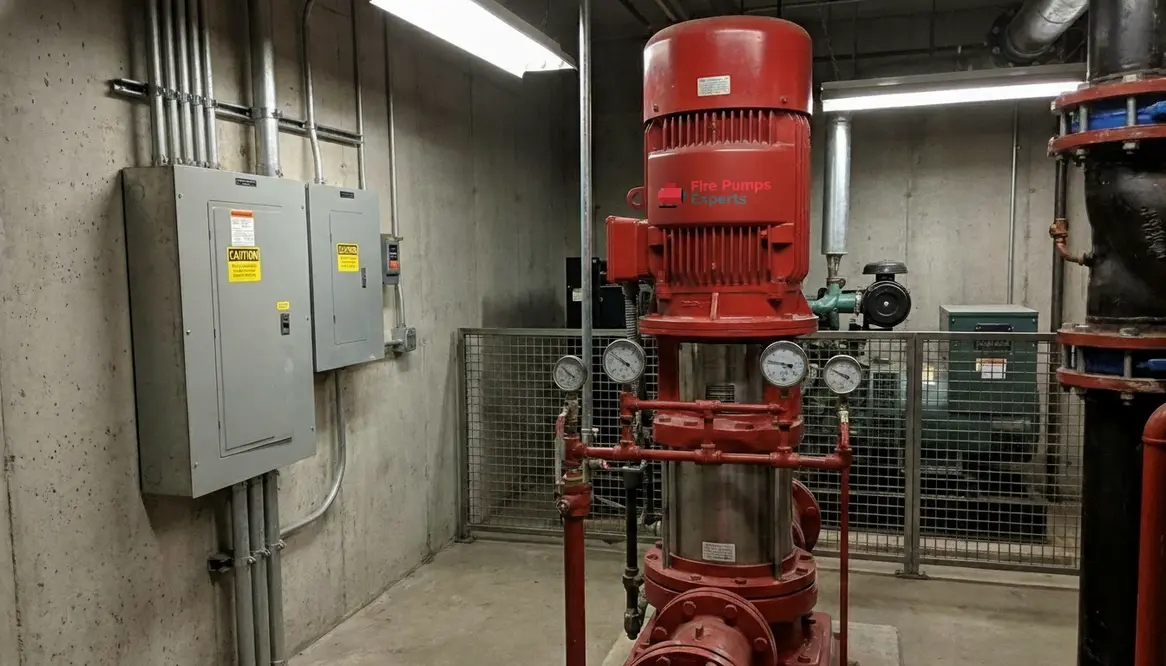
FM DS 3 7 Fire Pump Power Supply Considerations
FM Data Sheet 3 7 Fire Pump Power Supply Considerations may sound like the kind of topic that puts a room to sleep faster than a budget meeting on a Friday afternoon. Still, when I work with commercial and industrial facilities, I know this subject can make or break fire pump performance. If the power supply fails, the pump fails, and that is not a scene anyone wants during an emergency. So I take this seriously, even if I keep the mood steady and human. In major properties, I always treat the electrical side of fire protection as a core life safety issue, not just a box to check.
In this guide, I walk through the key points behind the FM DS 3 7 fire pump power supply approach, so you can understand what matters, why it matters, and where problems usually show up. And yes, I will keep it practical, because nobody needs a textbook in a tuxedo.
Why power supply matters for fire pumps
I start with the simplest truth: a fire pump needs reliable power to do its job. That sounds obvious, but in the real world, power quality and source reliability often get messy. Commercial buildings, industrial plants, and large campuses may have multiple electrical paths, backup systems, or utility feeds. However, not every setup gives the fire pump the clean, steady supply it needs.
The FM DS 3 7 fire pump power supply guidance focuses on making sure the pump can start and keep running when demand rises. I look at the source, the transfer arrangement, and the ability of the system to handle starting current without causing a dip that harms other equipment. A fire pump does not care about drama, but it does care about voltage.
When I review a site, I ask one simple question: if the primary source fails, what happens next? If the answer sounds like a shrug, then I know the system needs attention. Reliable power is the backbone of fire pump readiness, and without it, the rest of the design starts to wobble like a sitcom prop table.
How I check the source and backup path
I always begin by confirming where the pump power comes from and what stands behind it. In many major properties, the fire pump may connect to a dedicated utility service, an emergency generator, or a combination of both. However, the important part is not just having a source. It is having a source that stays available under fire conditions and that does not depend on fragile shared equipment.
Two things I verify first:
- The source has enough capacity for the pump start and run load
- The backup path does not depend on the same weak link as the main feed
I also check whether the fire pump has a dedicated arrangement or if it shares parts of the system with other loads. Shared systems can work, but they raise the stakes. If a large motor starts at the wrong time, or if another part of the facility pulls hard on the same feeder, the fire pump may suffer. That is not the kind of surprise anyone wants in a building with serious risk.
For facilities with generators, I look at start time, fuel supply, transfer logic, and load sequencing. The generator must support the fire pump without delay. Otherwise, the backup plan becomes a very expensive decoration.
What FM DS 3 7 expects from the electrical setup
The FM DS 3 7 fire pump power supply approach pushes me to think beyond basic code minimums. I need to consider voltage drop, conductor size, breaker selection, and the behavior of the system during startup. A fire pump can draw a heavy inrush current, so I do not just size for steady running. I size for the moment the motor wakes up and says, “Let us go.”
I also pay close attention to the path from source to controller and from controller to motor. If the wiring route is too long, too small, or too exposed to damage, the system can lose performance right when it matters most. In large commercial and industrial facilities, I want clean routing, solid protection, and clear separation from non essential loads.
Here is a simple way I frame the issue:
That table may look plain, but plain is good. Plain means fewer places for failure to hide.
Where power problems usually show up
In my experience, most fire pump power issues come from a handful of repeat offenders. First, I see undersized feeders that looked fine on paper but stumble under real load. Next, I see systems where the fire pump shares a source with too many other demands. Also, I see sloppy coordination between the fire pump controller and the backup power system.
Sometimes the trouble starts with maintenance. A facility may install the right equipment, then let testing slide. That is like buying a sports car and never checking the oil. Impressive at first glance, less impressive when the moment arrives.
I also watch for poor coordination between the electrical design and the building layout. In large properties, long runs, crowded rooms, and changing tenant use can all affect reliability. Therefore, I always push for a review that includes both the one line diagram and the actual field setup. Paper and reality do not always shake hands politely.
If you want a deeper reference on fire pump protection for commercial and industrial sites, I recommend reviewing fire pump services for commercial and industrial facilities as a starting point for planning and inspection support.
How I make the system stronger before an emergency
Once I find the weak spots, I focus on practical fixes. I want the power supply to stay stable, direct, and easy to verify during inspection and testing. That means I support proper conductor sizing, dedicated equipment where needed, and clear operating logic for all power sources tied to the pump.
Just as important, I push for routine testing. A power supply can look perfect on a drawing and still fail under real conditions if no one checks it. Regular testing helps me catch weak contacts, transfer delays, heat issues, and unexpected voltage loss. In other words, testing saves lives and also saves everyone from the kind of meeting that starts with the words “we have a small issue.”
For owners of major properties, I always recommend a full review after any electrical upgrade, tenant change, or generator change. Those events can shift the balance of the system in ways that do not show up right away. So I stay ahead of the problem instead of waiting for the alarm panel to tell a sad story.
Bringing it back to the FM DS 3-7 power supply focus
Every decision I make around the FM DS 3-7 power supply concept starts with performance during the worst day the building will see. The FM DS 3-7 power supply mindset is not about gold plating gear; it is about giving the fire pump a clean, dedicated path so it can start hard, run steady, and stay online even when other systems are having a bad day. When I talk through an FM DS 3-7 power supply review with owners or engineers, I keep the discussion tied to real failure modes, not abstract rules.
FAQ: FM DS 3 7 fire pump power supply considerations
What is the main goal of the FM DS 3 7 fire pump power supply guidance?
It helps ensure the fire pump gets reliable power during normal and emergency conditions.
Why does voltage drop matter?
Too much voltage drop can slow pump start and weaken performance.
Should a fire pump share power with other loads?
Only with careful design, because shared loads can create risk during startup or failure.
Do generators work for fire pumps?
Yes, if they provide fast, stable, and properly tested backup power.
How often should I test the power supply?
Test it on a regular schedule and after major electrical changes.
Who should review the setup?
Qualified fire protection and electrical professionals should review it for commercial and industrial sites.
Why is dedicated power better?
It reduces the chance of other equipment affecting the fire pump when every second counts.
What facilities need this most?
Commercial buildings, industrial plants, and major properties with serious life safety needs.
What is the quickest sign of trouble?
Poor startup behavior, transfer delay, or repeated test failures.
Can I ignore the electrical side if the pump itself is new?
No, because a new pump still needs strong power to work properly.
Conclusion
Ready to tighten up your fire pump power strategy? If you manage a commercial or industrial property, I urge you to review your current setup now, before a real emergency puts it to the test. Take the time to verify your source, backup path, and wiring plan, then schedule a professional inspection if anything looks weak. A solid power supply does not just support the pump. It supports the safety of the whole building, and that is worth getting right.