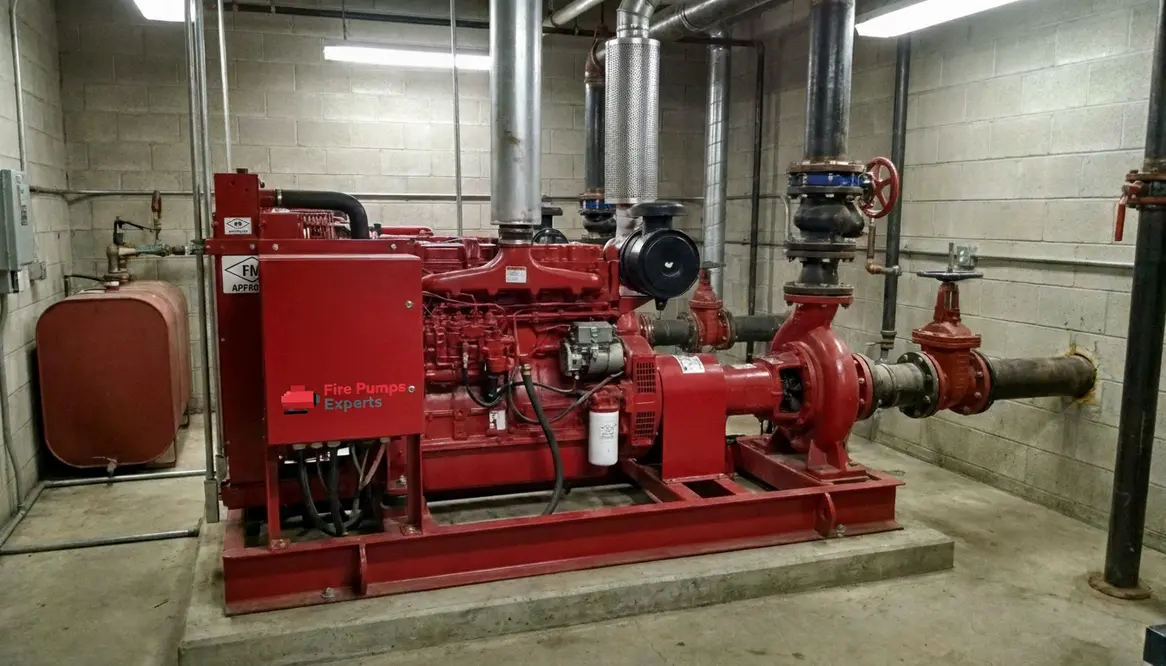
FM Approved Diesel Fire Pumps for Industrial Sites
FM Approved Diesel Fire Pumps Explained
When I talk about fire protection for commercial and industrial properties, I like to start with the quiet hero in the room: the FM Approved diesel fire pump. It does not need applause, and it certainly does not care about trends. It just stands ready to move water when a fire system needs it most. For major buildings, factories, warehouses, and large campus sites, that matters a lot. In fact, when water supply becomes shaky, a diesel driven pump can keep the whole protection plan from falling apart like a bad movie sequel. And yes, I am looking at you, sequel number three.
What FM approval means for fire pump performance
FM approval tells me the pump has passed strict testing from FM Global, which focuses on loss prevention for high value commercial and industrial sites. That testing checks performance, build quality, and reliability under real pressure. As a result, I know the pump can do the job in the conditions that matter most.
FM approval is not just a shiny label. It helps facility owners, engineers, and fire protection teams choose equipment that fits tough risk needs. Moreover, it supports insurance goals and reduces doubt during design review. For large properties, that peace of mind is worth more than a coffee machine that never breaks.
How a diesel fire pump works in a real facility
A diesel fire pump uses a diesel engine to drive the pump when pressure drops in the fire protection system. First, the controller senses the pressure loss. Then the engine starts automatically. After that, the pump sends water into the sprinkler or standpipe network so the system can keep working.
This setup helps when electric power fails or when a site needs a backup source that does not depend on the grid. That is why I see these pumps in plants, warehouses, refineries, and big commercial buildings with serious fire risk. A diesel unit brings independence. And in fire protection, independence is not a luxury. It is the whole point.
Why large sites choose these pumps
Commercial and industrial facilities often face bigger fire loads, longer pipe runs, and more complex water demands. Therefore, they need a pump that can start fast and run hard. Diesel fire pumps fit that need because they offer strong performance and reliable backup.
Here is where the choice gets practical:
Key reasons facility teams pick diesel fire pumps
Reliable startup
The engine does not rely on the electrical supply, so it can perform during power loss.
High demand support
The pump can help cover large sprinkler systems and standpipes in major properties.
Simple emergency function
It starts when pressure falls, which keeps the response quick and direct.
Strong fit for remote or high risk sites
Industrial locations often need a stand alone backup that stays ready.
Real world reliability for industrial risk
Also, diesel systems make sense where utility interruptions happen more often than a plot twist in a streaming drama. That is not me being dramatic. That is me being honest. When a site runs high value equipment or handles flammable materials, that kind of reliable independence matters more than a perfect production schedule.
In those settings, a carefully selected FM Approved diesel fire pump gives the protection team confidence that water will move when the heat turns real, even if the rest of the site goes dark.
What I check before recommending one
When I review a fire pump setup, I do not look at the pump alone. I look at the whole building risk picture. For example, I check water source, flow demand, pressure needs, fuel storage, engine ventilation, and room layout. I also look at testing access, maintenance space, and whether the equipment room supports safe operation.
In addition, I make sure the system matches the site’s protection goals. A pump can only do its job if the rest of the plan supports it. That means the design, installation, and ongoing checks all need to work together. Otherwise, even the best pump becomes just expensive metal with ambition.
Snapshot checklist before choosing a pump
- Available water supply and suction conditions
- Required flow, pressure, and duration
- Fuel storage capacity, location, and protection
- Engine ventilation and heat rejection paths
- Pump room layout, access, and drainage
- Testing locations and discharge arrangements
- Alignment with insurance and code expectations
Dual column view for quick comparison
Diesel fire pump strengths
- Runs without grid power
- Strong fit for large facilities
- Reliable for backup use
- Useful in high risk industrial sites
Points to manage
- Needs fuel and regular testing
- Requires proper ventilation
- Needs a well planned pump room
- Must stay under routine maintenance
FM Approved diesel fire pump maintenance basics
Once installed, I treat maintenance like a non negotiable part of the system. A fire pump that sits untouched is a little like a superhero who only trains once a year. That is not enough. Regular testing helps confirm starting speed, engine health, fuel quality, battery condition, and pump output.
Technicians should inspect the controller, engine components, cooling system, and fuel supply on a set schedule. They should also record test results so issues show up before an emergency does. Moreover, the room should stay clean, dry, and easy to access. Good maintenance does not just protect equipment. It protects the whole property.
If you want a deeper technical view on system standards and protection planning, I also recommend using a trusted resource like firepump guidance for commercial and industrial facilities when comparing options for major properties.
When a facility pairs a solid maintenance program with an FM Approved diesel setup, the fire protection system gains a level of resilience that day to day operations rarely match.
Where an FM Approved diesel fire pump fits best
High challenge facilities gain the most from this type of pump. Think about:
- Large warehouses stacked with combustible goods li>Manufacturing plants with critical production lines
- Refineries and fuel storage terminals
- Data centers that cannot afford downtime
- Remote campuses with limited utility reliability
In each case, the site needs water movement that does not crumble when the power grid stumbles. Pair that requirement with the rigor of FM testing, and the value of an FM Approved diesel arrangement becomes obvious. It stands there quietly, week after week, waiting for the one day when everything else goes wrong.
The result is not glamorous, but it is effective: predictable performance, documented reliability, and a fire protection backbone that lets the rest of the emergency plan do its work.
FAQ
Conclusion
If I had to sum it up, I would say this: an FM Approved diesel fire pump gives commercial and industrial facilities a tough, dependable layer of protection when it matters most. It brings backup power, fast response, and proven performance into one system.
When utilities fail, alarms sound, and people start moving toward exits, the last thing anyone needs is uncertainty about water. That is why pairing a well designed fire protection system with an FM Approved diesel package is such a practical move. The pump is not there to impress anyone. It is there to do the job, on time, every time.
If your property needs serious fire protection, I recommend taking the next step now. Review your site needs, compare options, and choose a pump setup that matches your risk before trouble shows up uninvited. The quiet hero in the pump room will be ready when the plot turns, even if the rest of the story does not go to plan.