FM Approved Fire Pumps Guide for Commercial Facilities
FM Approved Fire Pump Equipment Guide for Commercial and Industrial Facilities
When I talk about FM Approved fire pumps, I am talking about equipment that brings calm to chaos. In a fire event, every second matters, and every component has to do its job without drama. That is why commercial and industrial properties lean on FM Approved fire pump equipment to support sprinkler systems, standpipe systems, and other fire protection setups. It is not flashy. It is not glamorous. Still, it is the quiet heavyweight in the room, and frankly, the building needs that kind of energy.
In this guide, I will walk through what FM Approved fire pump equipment includes, how I evaluate it for major properties, and why the right setup matters for safety, uptime, and compliance. If you manage a plant, warehouse, high rise, campus, or other large facility, this is the kind of knowledge that pays rent.
What FM Approval Means for Fire Pump Equipment
FM Approval tells me the equipment has been tested to strict standards for fire protection use. That matters because commercial and industrial facilities do not need guesswork. They need equipment that can handle real demand under real pressure. FM Approved fire pump equipment goes through checks for performance, durability, and reliability, so I can trust it more when a system has to protect people, stock, machines, and the building itself.
In simple terms, FM Approval helps narrow the field. It does not make a system invincible, because nothing in life gets that kind of plot armor, not even a superhero in a summer sequel. However, it does give me a stronger starting point when I want equipment built for serious duty.
FM Approved Fire Pumps: Key Equipment I Look For
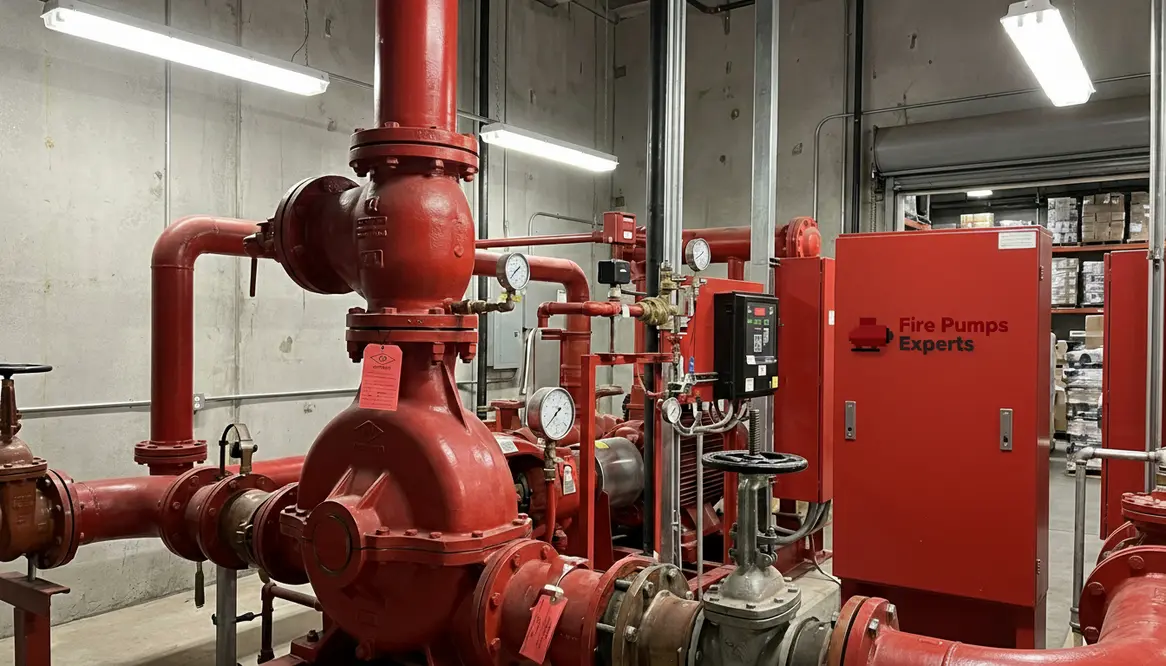
When I assess FM Approved fire pumps, I look at the full package, not just the pump body. A good system works like a team, and one weak link can turn the whole thing into an expensive lesson. Here is what I focus on:
- Pump unit, which moves water with the pressure and flow the system needs
- Driver, which may be electric or diesel, and must match the site needs
- Controller, which starts and monitors the pump during an alarm or test
- Jockey pump, which helps hold pressure and reduces unnecessary starts
- Valves, gauges, and fittings, which help the system stay stable and readable
- Test equipment, which supports routine checks and flow testing
Each part plays a role. Therefore, I never treat the pump as a lone hero. The full assembly needs to work together under stress, and it should do so without becoming a maintenance soap opera.
How I Choose the Right Pump Setup for a Major Building
I start with the building, not the catalog. That sounds obvious, yet it is where many projects go sideways. I want to know the water supply, the demand from the sprinkler or standpipe system, the height of the property, the risk profile, and the daily use of the site. A warehouse with tall racks needs a different approach than a hospital tower or a manufacturing plant with process hazards.
Next, I match the pump type to the site. Electric drives often fit locations with a stable power source, while diesel drivers can make sense where backup power needs extra independence. I also review space, ventilation, fuel storage, noise, and access for testing. After that, I think about serviceability. If a tech cannot reach the unit without performing acrobatics worthy of an action movie, I know the layout needs work.
Why Commercial and Industrial Properties Need a Full System View
Fire pump equipment does not live in isolation. It supports a larger fire protection strategy, and that strategy must fit the real world. In a commercial or industrial facility, water demand may shift based on occupancy, equipment loads, or building expansion. So, I check the whole system for balance, because a pump that looks strong on paper can still disappoint if the rest of the setup misses the mark.
Here is a simple way I break it down:
Column 1
Water supply adequacy
System demand pressure
Driver type and backup plan
Controller and alarm function
Column 2
Pump room layout
Inspection access
Maintenance schedule
Code and insurance expectations
That full view matters because large properties depend on uptime. A shutdown for repairs costs money, and a fire event costs far more. So, I aim for a system that supports both protection and business continuity.
FM Approved Fire Pumps: What Maintenance Keeps Them Ready
Once the equipment is installed, the work is not done. In fact, the real relationship begins there. I want regular inspections, routine testing, and prompt fixes when I spot wear, leaks, vibration, heat, or control issues. FM Approved fire pumps still need care, because even solid equipment can drift from peak performance if nobody keeps watch.
I also recommend logged testing at set intervals. That record helps me see patterns before they become problems. If pressure drops, if the driver struggles, or if a valve sticks, I want to catch it early. That is where good maintenance earns its keep. It is not exciting, but neither is a flooded pump room, and I prefer my drama on streaming platforms.
How to Use FM Approved Equipment in Compliance Planning
For major properties, compliance is not just a box to check. It is part of risk control. I use FM Approved fire pump equipment to support a stronger insurance and safety position, but I still verify local code rules, site needs, and inspection standards. That way, the system does its job on paper and in the field.
If you want a helpful starting point, I suggest reviewing trusted industry resources such as FM Approved fire pump equipment solutions for commercial properties. That can help you compare options with a clearer eye and a better plan. A practical example is the information available at https://firepumps.org, which many facility teams find useful when they want to understand how FM Approved fire pumps fit into broader protection strategies.
FAQ
Conclusion
If you manage a commercial or industrial property, I want you to think of fire pump equipment as a core business safeguard, not an afterthought. The right FM Approved fire pumps support safety, uptime, and peace of mind. So, review your site needs, verify your system layout, and bring in qualified help when you plan or upgrade. If you are ready to strengthen your fire protection strategy, start with FM Approved equipment and move forward with confidence.