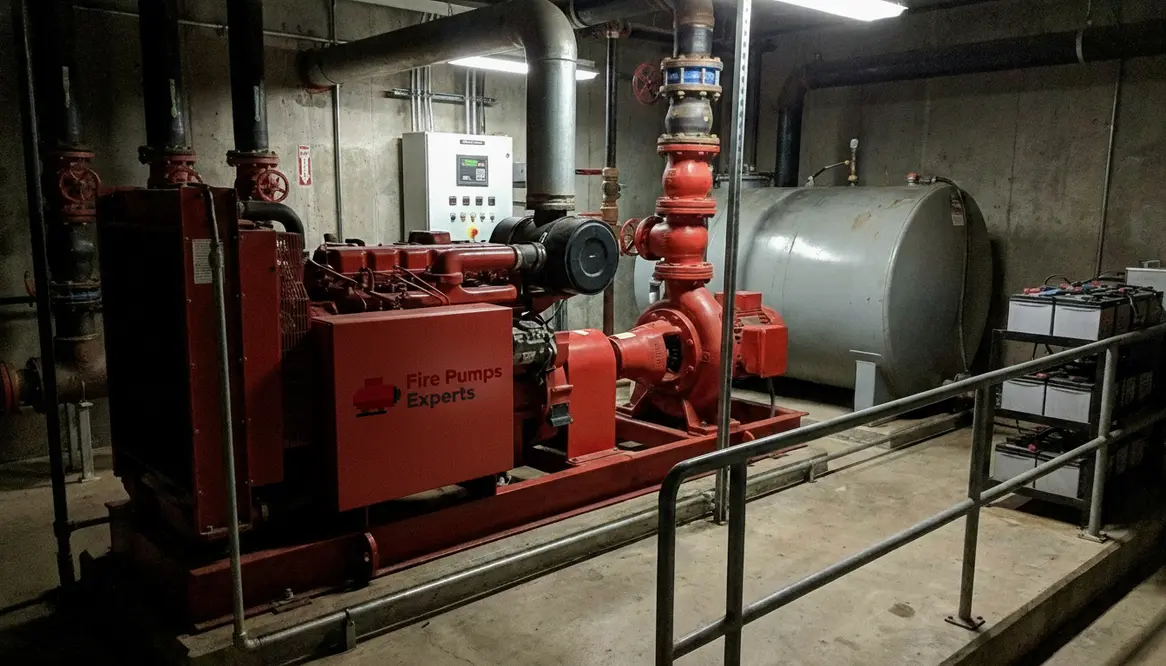
FM DS 3 7 Diesel Fire Pump Requirements Guide
FM Data Sheet 3 7 Diesel Fire Pump Requirements can look plain on paper, but in the real world, it carries serious weight. I have seen how a solid diesel fire pump setup can make the difference between quick control and a very bad day for a commercial or industrial site. For major properties, this data sheet helps guide the pump, fuel, controller, and room setup so the system works when the pressure drops and the alarms start singing their tiny metal songs. In this article, I will walk through the key requirements in a clear way, so you can see what matters and why it matters.
FM DS 3 7 diesel fire pump rules sit inside a larger reliability mindset. The goal is not a shiny pump tag on the wall; it is a system that wakes up on the worst day and refuses to quit. When I look at a diesel fire pump installation, I picture valves, pipes, fuel, exhaust, and controls as a single chain of decisions that either support each other or drag each other down.
That same mindset underpins FM DS 3 7 diesel work across different occupancies. A high‑hazard plant, a tall office tower, and a big box warehouse all have different fire risks, but the diesel fire pump plays the same core role: keep the water moving while people get out and suppression systems do their job.
What FM DS 3 7 diesel fire pump rules cover
FM DS 3 7 diesel fire pump requirements focus on one simple goal: make sure the fire pump starts, runs, and keeps running when the site needs it most. I like to think of it as the pump world’s version of a superhero origin story. The pump must have enough power, enough fuel, and enough protection to do the job under stress.
First, the data sheet addresses the pump room, the diesel engine, the fuel supply, ventilation, exhaust, batteries, and controls. It also looks at reliability, access, and maintenance. Because the system serves commercial and industrial facilities, FM wants the design to reduce failure risk, not just pass a quick check on paper.
The bigger picture
The rules do not exist in a vacuum. They work with the sprinkler and fire protection plan, the water supply, and the building use. So, when I review a project, I do not look at the pump alone. I look at the whole chain, because every link matters.
FM DS 3-7 diesel guidance pushes teams to think past “minimum code” and toward systems that still perform after years of wear, a power cut, a rough shutdown, or a messy construction change that no one documented properly.
How I size the pump room and support systems
Room layout that actually works
The pump room must fit the equipment with room to work around it. That sounds simple, yet it trips people up all the time. I always check clear space, door access, drainage, lighting, and safe entry for service crews. If a technician cannot reach the unit without playing a game of architectural Tetris, the room needs work.
FM also expects the room to support the diesel engine under real operating conditions. That means proper ventilation, proper exhaust routing, and enough cooling air. A diesel fire pump can create heat and fumes, so the room must move air well and keep the engine from cooking itself alive. Not ideal. Very dramatic. Not the vibe we want.
Quick design check for the pump room
Space and access | Enough room for service, inspection, and replacement parts
Ventilation | Airflow that keeps engine heat under control
Exhaust | Safe routing that moves fumes outside the room
Drainage | Protection against water pooling around the equipment
Lighting | Clear visibility for testing and emergency response
When FM DS 3-7 diesel details are respected in the layout phase, the result is a room where people can move quickly, see clearly, and safely operate and maintain the pump without turning every visit into a contortionist workshop.
What I check for fuel, batteries, and starting power
Fuel: the difference between ready and decorative
Fuel supply sits near the top of the list in FM DS 3 7 diesel fire pump work. After all, a diesel engine without fuel is just a very expensive statue. The fuel tank must support the required run time, and the system must protect against contamination, leaks, and low fuel problems. I always pay attention to fuel quality, tank location, and refill access.
Starting systems that do not hesitate
Then I move to the batteries and starting system. The pump must start fast and without drama. FM expects dependable starting power, proper charging, and backup support if one part fails. Since fire events do not wait for anyone to finish a coffee break, the starting system must stay ready around the clock.
In practice, I also look at controller alarms, battery condition, and test records. These items may seem small, but they tell a big story about reliability. And in this field, reliability is the whole plot.
Practical checklist for fuel and starting power
- Confirm tank capacity meets FM DS 3-7 diesel run‑time expectations.
- Keep documented fuel turnover to avoid aging and contamination.
- Verify venting, fill, and drain points are accessible and clearly marked.
- Test battery voltage under load, not just at rest.
- Check that chargers are on reliable power and correctly sized.
- Log every weekly test start and follow up on even minor odd behavior.
How FM DS 3 7 diesel fire pump inspection supports compliance
Keeping the system honest
Inspection and testing keep the system honest. I like that. A pump can look flawless on day one and still fail later if no one checks it. FM DS 3 7 diesel fire pump inspection points usually include engine condition, fuel supply, battery charge, cooling, exhaust, and controller function. I also check for signs of wear, leaks, corrosion, and blocked airflow.
Regular testing matters even more for commercial and industrial facilities because their risk stays high and their operations often run nonstop. If the fire pump fails during a serious event, the building does not get a second opening night. So, I recommend a routine test plan that fits the site and keeps records easy to review.
Records that actually help you
When I work with property teams, I remind them that good records help just as much as good hardware. If a system passes weekly, monthly, and annual checks, that paper trail can save time during audits, insurance reviews, and corrective work.
Clean documentation also makes it easier to compare future changes against FM DS 3-7 diesel expectations, especially when equipment is upgraded, rooms are renovated, or occupancy hazards shift over time.
For a deeper technical reference library, many teams keep standards and data sheets bookmarked at https://firepumps.org, alongside their own internal test forms.
Why these requirements matter for major properties
Protection, continuity, and plain common sense
For large buildings and industrial sites, the FM data sheet gives a strong path toward safer fire protection. It helps the owner, engineer, and contractor line up the pump, engine, fuel, and room design so the system performs under pressure. That matters because these properties often store more assets, host more people, and face more loss if a fire grows fast.
Also, these requirements help reduce avoidable failures. A well planned diesel fire pump setup supports better response, fewer service issues, and less surprise repair work. That is not just good engineering. That is good business.
Where FM DS 3-7 diesel shines the most
- Sites with complex operations that cannot afford long outages.
- Facilities with high fuel loads, hazardous processes, or stacked inventories.
- Campuses that mix office, production, and storage under one fire protection strategy.
- Any building that wants a diesel fire pump system that still feels “boring” on a test day ten years from now, because it just keeps working.
FAQ
Conclusion
If you manage a commercial or industrial property, now is the time to treat your diesel fire pump plan like the serious life safety system it is. I recommend reviewing your setup against FM DS 3 7 diesel fire pump requirements, then checking the room, fuel, batteries, and test schedule with care. If you need help, reach out and let us help you build a safer, stronger, and cleaner fire protection plan that works when it counts.