FM Global Fire Pump Installation Mistakes to Avoid
I have seen a lot of fire pump rooms in my time, and I can tell you this with a calm face and a firm voice: the smallest mistake in an FM Global installation can turn into a very expensive headache. For commercial and industrial facilities, and for major property buildings, the fire pump is not a side character. It is the hero waiting backstage. If it fails, the whole show gets awkward fast. So, I want to walk you through the most common mistakes I see, why they matter, and how to avoid them before they turn into a report, a delay, or one of those painful “we should have known” moments.
Why the pump room layout matters
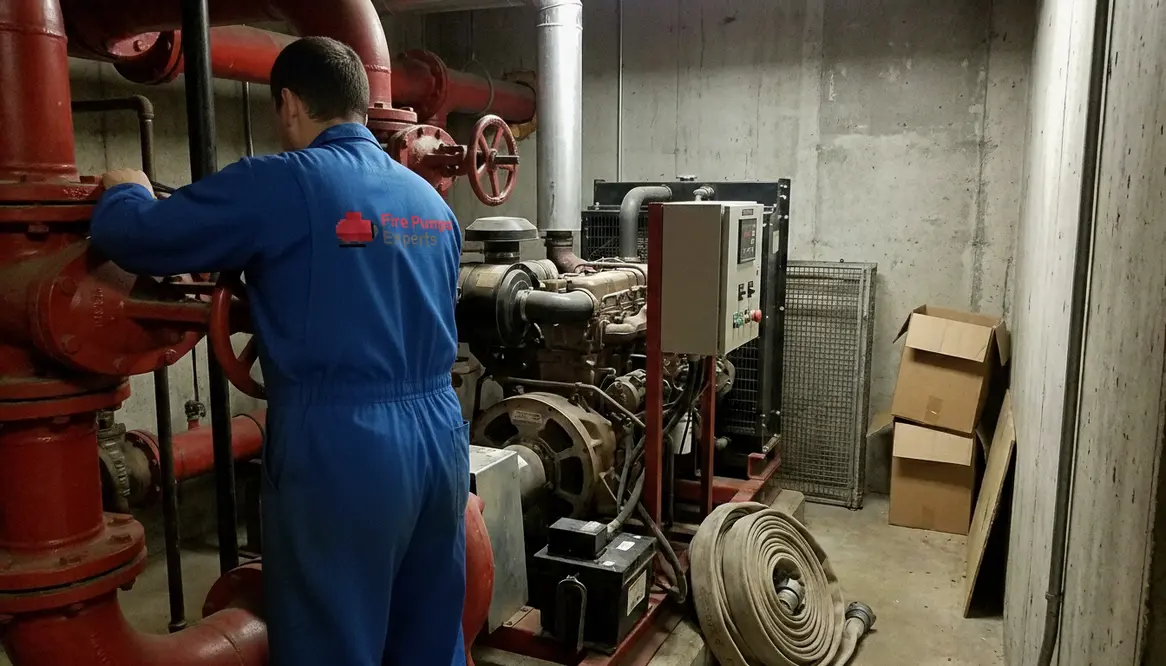
I always start with layout, because layout controls everything else. If the pump room feels cramped, cluttered, or hard to reach, then maintenance gets harder and emergencies get slower. That is where trouble starts. I have seen teams squeeze equipment into a space that looked fine on paper, but once installed, the doors barely opened and the access path felt like a bad scene from a maze movie. Not ideal.
First, I check clearances around the pump, driver, controller, and valves. Then I look at access for inspection, repair, and future testing. In a proper fire pump setup, the room should support routine work without forcing anyone to play mechanic limbo. Also, I make sure the room stays dry, well lit, and protected from damage. Water, poor lighting, and blocked access do not mix well with safety systems. They mix about as well as a tuxedo and a swamp.
Do not ignore water supply and suction conditions
The water supply is the heartbeat of the entire system. If I see a weak suction line, poor pipe sizing, or bad water source planning, I know the system will struggle when it matters most. That is why I verify flow, pressure, and source reliability early. A fire pump does not care about optimism. It cares about water.
I also check for air leaks, trapped air, and bad suction conditions. These issues can reduce performance and create noise, vibration, or cavitation. Cavitation sounds like a sci fi villain, but in real life, it means damage and reduced output. So, I make sure the suction side supports the pump under real demand, not just under a neat drawing in a folder.
Where FM Global installation mistakes happen most
When I review an FM Global installation, the mistakes often show up in the same places. The pattern is familiar, and honestly, a little dramatic.
Common trouble spots
- Wrong pump size for the fire demand
- Poor alignment between pump and driver
- Weak electrical support for the controller
- Bad pipe support that creates stress on fittings
- Missing test provisions for future inspection
- Improper room ventilation and heat control
Now, here is the thing. Each issue looks small by itself. However, when they stack up, they create a system that looks complete but behaves like it wants a vacation. I have learned to treat every detail as part of one living system. That means I check the pump, the driver, the controller, the valves, the power source, and the test setup as one unit. If one part is off, the whole system feels it.
How I verify alignment, power, and control
Alignment matters more than most people think. If the pump and driver do not line up correctly, the unit vibrates, wears faster, and loses efficiency. So, I inspect alignment during installation and again before startup. A little patience here saves a lot of noise later.
Next, I look at power. Fire pumps need strong electrical support and reliable controls. If the controller does not match the system needs, the pump may not start correctly under pressure. That is not the kind of surprise anyone wants during an emergency. I also check breakers, wiring, grounding, and backup power where required. Then I test the control sequence so I know the system responds the way it should. No drama. No guesswork. Just proof.
What I check during piping and testing
Piping mistakes can ruin a solid installation. I have seen pipe stress, bad supports, and poor valve placement create long term problems that show up during testing. So, I inspect every run of pipe for proper support and clean routing. I also make sure the system allows for proper testing without creating extra risk or downtime. For commercial and industrial buildings, that matters a great deal because operations cannot stop every time someone wants to verify performance.
Key checks at a glance
Item
Pump alignment
Pipe support
Controller setup
Ventilation
Test access
Why I care
Reduces vibration and wear
Prevents stress and leaks
Helps the pump start when needed
Keeps heat from building up
Makes future checks faster and safer
Why I never skip final review
I never trust a finished installation until I verify it end to end. Final review catches the details that busy teams miss. Sometimes it is a label out of place. Sometimes it is a valve set wrong. Sometimes it is a clearance issue that looked harmless until you tried to service the unit. And yes, that is the moment when everyone suddenly gets very quiet, like the final scene of a suspense movie.
At this stage, I confirm that the system matches the design, the site conditions, and the fire protection goals for the building. I also review documents, test results, and maintenance needs so the owner has a clear path after startup. A fire pump should not just pass today. It should stay ready for the long haul.
FM Global installation and ongoing reliability
A solid FM Global installation is not just about the inspection day. It is about every future week when the system sits quietly, waiting for its moment. I build in clear test connections, logical valve arrangements, and access paths that do not turn into obstacle courses. When future technicians can reach what they need without gymnastics, the system simply performs better over time.
That also means documenting changes, keeping the room orderly, and treating the fire pump as critical infrastructure, not background noise. The best fire pump rooms I visit feel almost boring in the best way: clean, labeled, easy to move through, and obviously respected by the people who run the building.
Planning your next FM Global installation
If you are staring at plans for a new FM Global installation, this is the perfect time to slow down and question the drawing. Is the pump room truly accessible, or just technically accessible? Does the suction source behave under real fire flow, not just under neat assumptions? Can maintenance teams test, repair, and reset without shutting down operations every time?
Getting those answers now is far cheaper than explaining surprises later. A thoughtful FM Global installation builds trust with insurers, keeps operations safer, and lets everyone sleep better when storms roll through and alarms go off in the middle of the night.
FAQ
Conclusion
If you want a fire pump system that works when the pressure rises, I recommend treating every step with care, from layout to testing. I have seen how one small miss can echo through an entire building, especially in commercial and industrial spaces where risk stays high. So, if you are planning an FM Global installation, take the time to get it right. If you want expert help and additional resources, you can start by reviewing guidance and reference material at https://firepumps.org. Make sure your system stands ready before you ever need it.