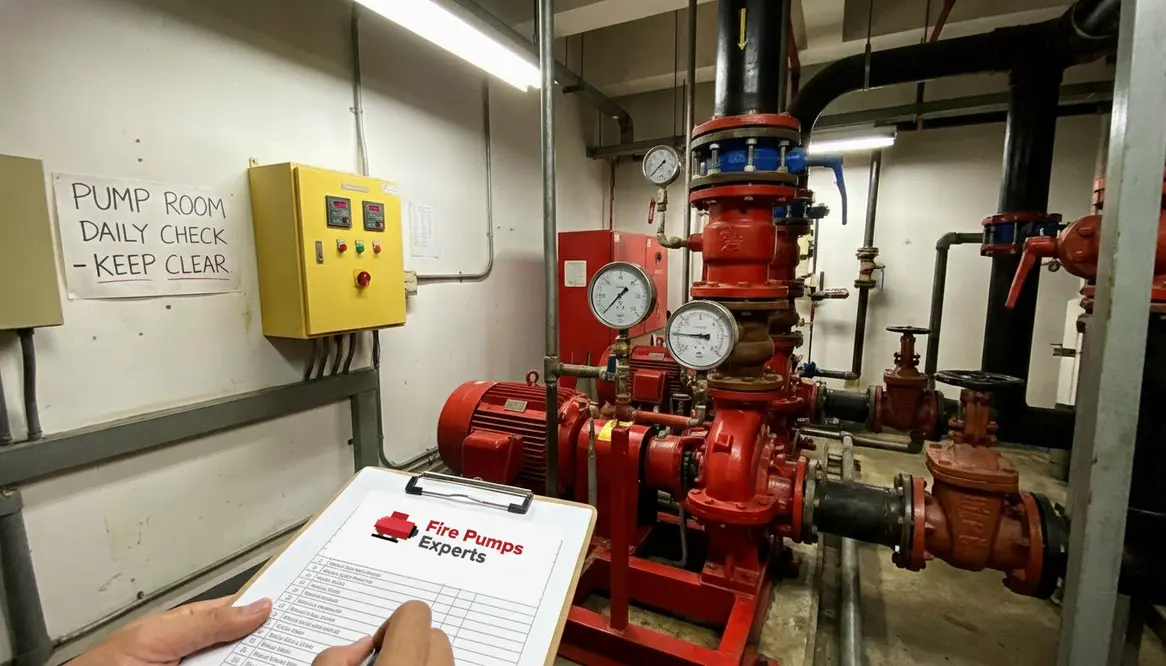
FM Global Fire Pump Risk Reduction Guide Tips
FM Global Fire Pump Risk Reduction Guide: What I Focus on to Protect Commercial and Industrial Properties
When I look at FM Global fire pump risk reduction, I do not see a box to check. I see a building’s lifeline. For commercial and industrial facilities, the fire pump is often the quiet worker in the back room, doing the heavy lifting when water pressure drops and the stakes rise fast. If it fails, the rest of the system can wobble like a movie stunt gone wrong. So, I take a practical view: reduce risk before the pump ever needs to prove itself. That means smart design, clean water supply, regular testing, and a clear plan that keeps the whole fire protection system ready for action.
In this guide, I will walk through the main steps I use to strengthen fire pump reliability for major properties. I will keep it simple, useful, and focused on what matters most in real buildings, not theory class.
Why Fire Pump Risk Reduction Matters in Major Properties
Fire pumps support sprinkler systems when the normal water supply cannot do the job alone. In a large warehouse, plant, office tower, or mixed use property, that extra pressure can make the difference between a controlled event and a very expensive headline. I always start here because risk reduction is not just about the pump itself. It is about the whole chain: water source, power supply, room conditions, controls, and maintenance.
Moreover, commercial and industrial sites often face higher loads, more equipment, and more complex layouts. That means more points of failure. A fire pump can sit in perfect shape on paper, yet still struggle if the suction line is undersized, the tank level is weak, or the pump room gets too hot. It is a bit like having a gym membership and never lifting anything. Nice idea, poor result.
How I Reduce Fire Pump Risk Before Installation
I always begin with a careful review of the water supply. If the source cannot support the demand, the pump will not save the day. So, I check flow, pressure, and reliability under real conditions. Then I look at the pump type, driver type, and room layout. Each choice affects performance later.
Here is the simple version of what I check first:
Dual column layout I use for FM Global style planning
I use one column for the risk area and the other for the control action. This mirrors how I organize FM Global global style reviews so problems and solutions stay linked instead of floating in separate reports.
Risk area
Weak water supply, poor room heat control, bad access, and unreliable power.
Control action
Test the supply, size the pump right, protect the room, and confirm backup power or fuel support.
This approach helps me keep the review clean and fast. Also, it makes the hidden problems easier to spot. I have seen properties spend big money on the pump and then ignore the room around it. That is a little like buying a sports car and parking it in a swamp.
FM Global style inspection steps I use for better reliability
I focus on the parts that cause the most trouble over time. First, I check suction conditions to reduce cavitation and air issues. Next, I verify that valves stay in the right position and that no one has turned the system into a mystery puzzle. Then I confirm that the controller works, alarms sound, and all signs are clear. After that, I look at access paths, lighting, and drainage. These may sound small, but small failures love to become big ones when pressure is on.
Just as important, I keep the pump room clean and free of stored items. Industrial facilities often turn mechanical rooms into “temporary storage,” which somehow becomes permanent. I have never seen a fire pump become more reliable because someone stacked boxes beside it.
What I check during testing and maintenance
Testing gives me the truth. Not the hopeful version. The truth. I review churn tests, flow tests, driver performance, and alarm responses. If the pump struggles to start, if pressure drops too fast, or if vibration rises, I dig deeper right away. I also check that the test results match past results. A pattern matters more than a single reading.
I also pay attention to maintenance habits. Regular lubrication, seal checks, battery care, fuel checks, and controller inspection all matter. In many cases, a strong maintenance plan does more for risk reduction than a costly repair after a failure. As they say in every good action film, the hero who prepares usually gets to keep the building standing.
How I lower long term fire pump risk in daily operations
I like to treat fire pump care as part of building operations, not as an isolated task. That means training staff, documenting changes, and reviewing the system after any facility upgrade. If a property changes use, adds storage height, or shifts process loads, I recheck the protection plan. Fire protection should grow with the site, not age into guesswork.
I also work closely with qualified service providers who understand commercial and industrial systems. For more support, I recommend reviewing the FM Global fire pump risk reduction guide for commercial and industrial facilities. It helps build a stronger plan for large properties and major buildings where downtime can hit hard.
For large portfolios, the same thinking scales across sites. A consistent FM Global global mindset on fire pump care keeps standards aligned so one weak facility does not become the outlier that creates the biggest loss.
Across regions and markets, the core ideas do not change much. FM Global global expectations still point back to reliable water, dependable power, and a room that lets the pump actually function when everything else is going wrong.
FAQ
Final Thoughts: Take Action Before the Alarm Does
I do not wait for a fire pump to fail before I care about it. Instead, I treat risk reduction as a steady habit that protects people, property, and operations. If you manage a commercial or industrial facility, now is the time to review your pump setup, test records, and room conditions. A strong fire pump plan does not just meet a standard. It gives you calm in the middle of chaos, and that is worth every minute.
The more consistently you apply this thinking, the more it feels like second nature. Whether you are working with one building or following a broader FM Global global framework across a portfolio, the goal stays the same: a fire pump that you can trust when the alarms sound and the pressure needs to rise fast.