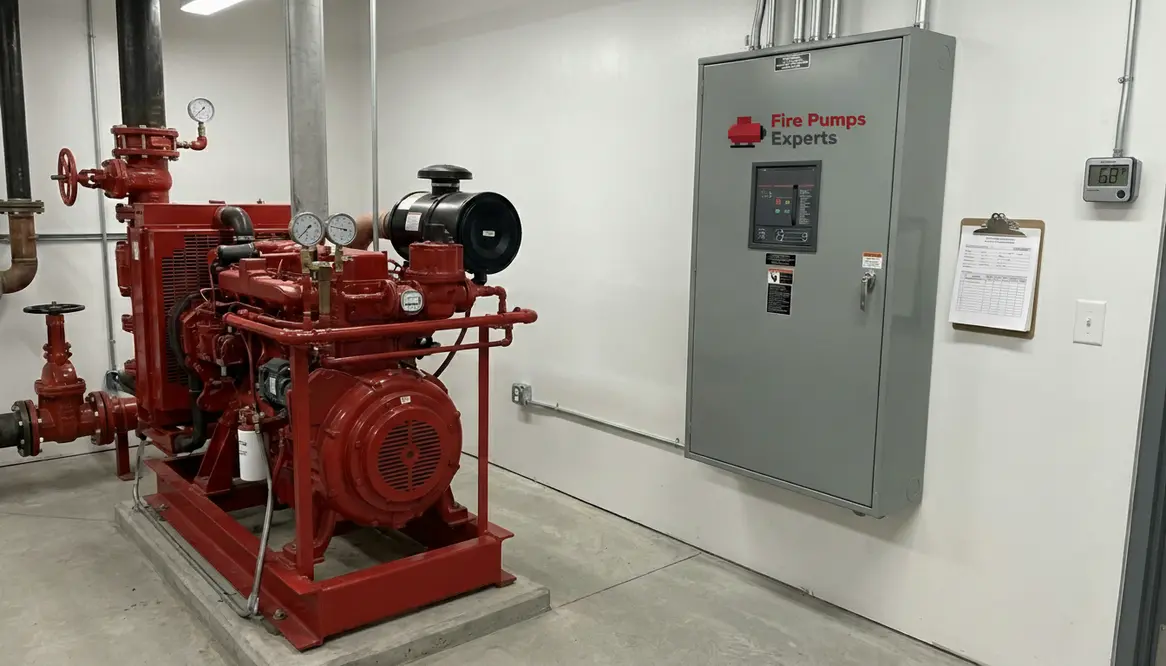
FM Global Fire Pump Room Best Practices Guide
A clear, disciplined approach to designing, operating, and maintaining an FM Global room so it is ready when the building needs it most.
FM Global Fire Pump Room Best Practices
When I walk into an FM Global room, I do not just see pipes, pumps, and panels. I see the quiet muscle that stands between a building and a very bad day. A fire pump room may not have the glamour of a lobby or the drama of a skyline view, but it carries serious weight for commercial and industrial facilities. If it fails, the whole fire protection plan can wobble like a folding chair at a stadium concert. So today, I am laying out the best practices that keep this space ready, reliable, and FM Global friendly.
Start with the right room layout
I always begin with layout because a good fire pump room works best when people can move, inspect, and service equipment without playing obstacle course. The room should stay clear, dry, and easy to access at all times. In addition, I make sure the pump has enough working space around it for inspection and repair. That sounds basic, yet basic gets ignored more often than a sitcom gets rebooted.
The room should also support safe traffic flow for maintenance crews and emergency staff. Therefore, I keep stored items out of the room and avoid using it as a spare closet for random building gear. A fire pump room should serve one job only. It should not become the building’s “just put it there for now” zone.
Protecting the FM Global room from damage
Water, heat, and poor housekeeping cause a lot of trouble in fire pump spaces. So I make sure the room stays warm enough to prevent freezing, but not so hot that equipment suffers. I also check for leaks from nearby systems, roof lines, or drains. If water can enter the room, it eventually will. Water behaves like a villain in a superhero movie. It always finds a way.
Lighting, ventilation, and drainage
Next, I inspect lighting, ventilation, and drainage. Good lighting helps with quick checks and safer service. Proper ventilation helps equipment perform better and can reduce heat buildup. Meanwhile, drainage keeps any unexpected water from sitting around and turning the floor into a bad idea.
These details shape how resilient the FM Global room really is. A bright, dry, well-ventilated space supports reliable controls, longer equipment life, and calmer responses when alarms sound.
Build a dual layer inspection routine
I like to think of inspections in two layers. The first layer covers the daily or weekly walk through. The second layer covers deeper testing and maintenance. Together, they create a strong system that helps catch small issues before they grow teeth.
First-layer checks: quick passes that prevent surprises
In the first layer, I check:
- Room temperature and signs of freezing
- Leaks, rust, or standing water
- Clear access to the pump, controls, and valves
- Power supply and alarm status
Second-layer checks: deeper testing and performance
In the second layer, I review:
- Pump performance during test runs
- Controller function and signal response
- Fuel, power, or water supply reliability
- Records for past repairs and service calls
Because I follow both layers, I get a better picture of the room’s health. Also, I avoid the painful surprise of discovering a problem only when the system must perform under stress. Nobody wants that plot twist.
What matters most in FM Global fire pump room testing?
The short answer is consistency. I do not want one heroic test followed by months of silence. I want scheduled testing that matches the facility’s risk, use, and system design. That means I pay attention to flow, pressure, start time, and any odd sounds or vibration during operation. If the pump shakes, screams, or behaves like it is auditioning for a disaster movie, I treat that as a warning.
Testing should also follow the site’s documented plan and the rules that apply to commercial and industrial properties. For that reason, I keep records clear and current. Good notes help me spot patterns, and patterns tell the truth when equipment tries to hide problems behind a clean surface.
Keep equipment labels, controls, and access clear
I always make labels easy to read and controls easy to reach. In an emergency, nobody has time for a scavenger hunt. Clear signs, marked valves, and visible instructions help the right people act fast. Also, I keep access doors, panels, and shutoff points unobstructed.
Then I verify that staff know where to find the room and how to approach it safely. A well built fire pump room only helps if people can use it without confusion. So I treat training as part of the room’s design, not as an afterthought.
Why maintenance culture matters so much
Because equipment does not stay reliable by hope alone. I need a maintenance culture that values quick reporting, regular checks, and fast follow up. If someone notices a drip, a noise, or a trip event, I want it documented and corrected. Small issues love to grow when ignored. They are like that one side character who becomes the entire problem by episode three.
That is why I encourage teamwork between facility staff, fire protection service providers, and building management. When everyone shares the same goal, the fire pump room stays ready for real demand. If I want a strong result, I cannot treat maintenance like a once in a while chore. I have to treat it like part of daily building care.
This mindset keeps the FM Global room aligned with the bigger fire protection strategy, not isolated as a forgotten mechanical corner.
Putting it all together in the FM Global room
A strong FM Global room does not happen by accident. It comes from thoughtful layout, steady environmental control, consistent testing, clear labeling, and a culture that treats maintenance as non‑negotiable. The payoff is a fire pump room that behaves like the building’s quiet backbone, not its wild card.
For additional technical references and educational material on fire pumps and related systems, I keep an eye on resources such as https://firepumps.org, which can complement the site-specific guidance and standards that apply to commercial and industrial properties.
FAQ
Conclusion
If I want a fire pump room that truly supports a commercial or industrial property, I have to stay disciplined, observant, and ready to act. I make the room clean, accessible, tested, and protected from avoidable damage. Then I build a routine that keeps every part of the system accountable. If your facility needs a stronger fire protection setup, now is the time to review your pump room and tighten the gaps before they turn into problems.